

What Type of Gravel Should You Use Under Wood Fence Posts?
February 8, 2026
Summary: When homeowners think about building a wood fence, most of the focus goes to the fence panels, wood type, and height. What’s often overlooked—but just as important—is what goes underneath the fence posts. The gravel at the bottom of a post hole plays a major role in drainage, stability, and how long your fence will last. Using the wrong gravel can lead to water buildup, post movement, premature rot, and costly repairs. Using the right gravel creates a stable base that helps posts stay plumb and dry for years, especially in Greater Sacramento’s mixed soil conditions. This guide explains which types of gravel work best under wood fencing, which ones to avoid, and how much to use, so homeowners and property managers can make informed decisions before installing or repairing a fence.
Why Gravel Matters Under Fence Posts
Gravel serves three critical purposes under wood fence posts:
- Drainage – It allows water to flow away from the base of the post rather than pooling.
- Stability – It creates a compact base that helps prevent leaning or shifting.
- Longevity – Keeping the post drier slows rot and decay.
In areas such as Sacramento, Elk Grove, Roseville, Folsom, and surrounding cities, soils can range from clay-rich to sandy loam. Gravel helps compensate for these variations and reduces problems caused by soil expansion, contraction, and seasonal moisture.
The Best Types of Gravel for Wood Fence Posts
Not all gravel is created equal. Some types drain well and compact tightly, while others trap moisture or shift over time.
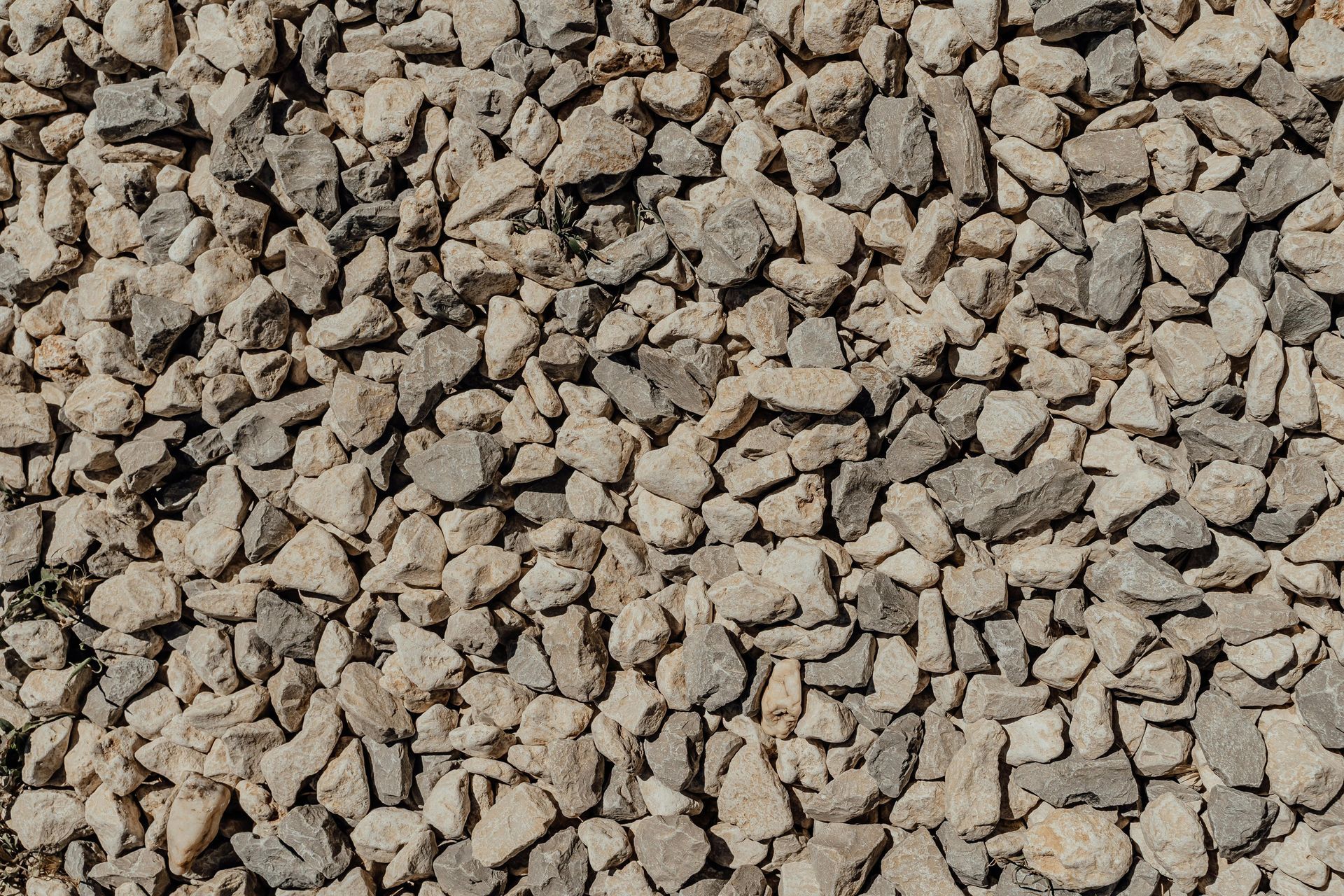
Crushed Stone (¾” Minus) – Best Overall

Crushed stone, often labeled ¾” minus, is the most commonly recommended gravel for fence posts.
Why it works well:
- Angular edges lock together when compacted
- Excellent drainage
- Provides strong lateral support
- Resists shifting over time
This gravel mix includes a range of stone sizes and fines, allowing it to compact firmly while still allowing water to drain away. For most residential wood fences, this is the preferred option used by professional fence installers.
Pea Gravel – Good Drainage, Lower Stability

Pea gravel consists of small, rounded stones about â…œ” in size.
Pros:
Drains water very well
Easy to pour and level
Cons:
- Rounded stones don’t compact tightly
- Can shift under load
- Less resistant to post movement
Pea gravel can work in certain situations, but it typically provides less stability than crushed stone. It’s often better suited for drainage layers rather than structural support.
Washed Drain Rock – Good for Drainage Layers

Drain rock is larger, clean stone with no fines.
Pros:
- Excellent water flow
- Reduces moisture buildup around posts
Cons:
- Does not compact well
- Requires careful layering
- Less structural support on its own
Drain rock can be effective when placed at the bottom of the hole, followed by compactable gravel above it. On its own, it’s usually not enough for post stability.
Gravel Types to Avoid Under Fence Posts
Some materials may seem convenient but can shorten the lifespan of your fence.
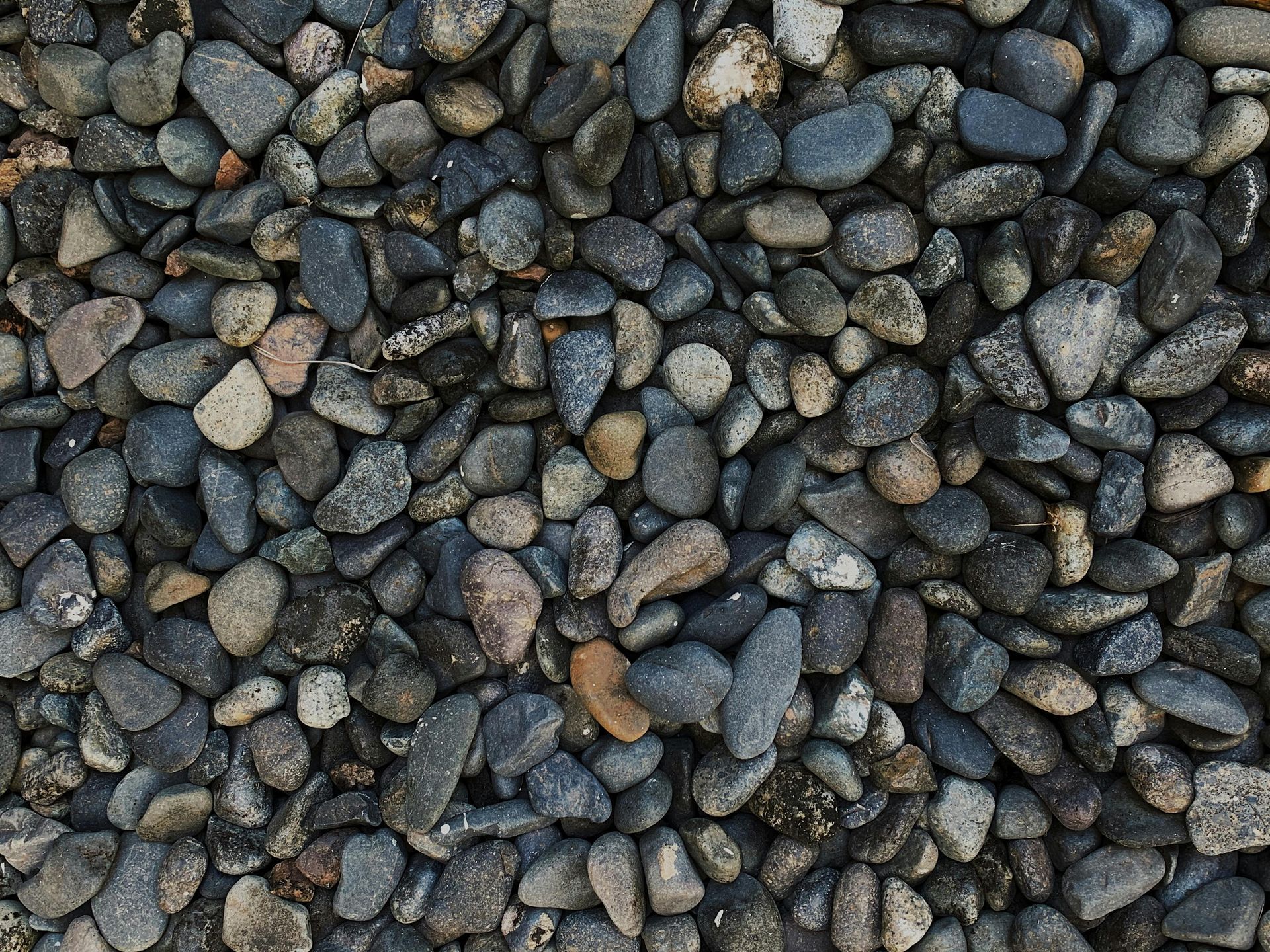
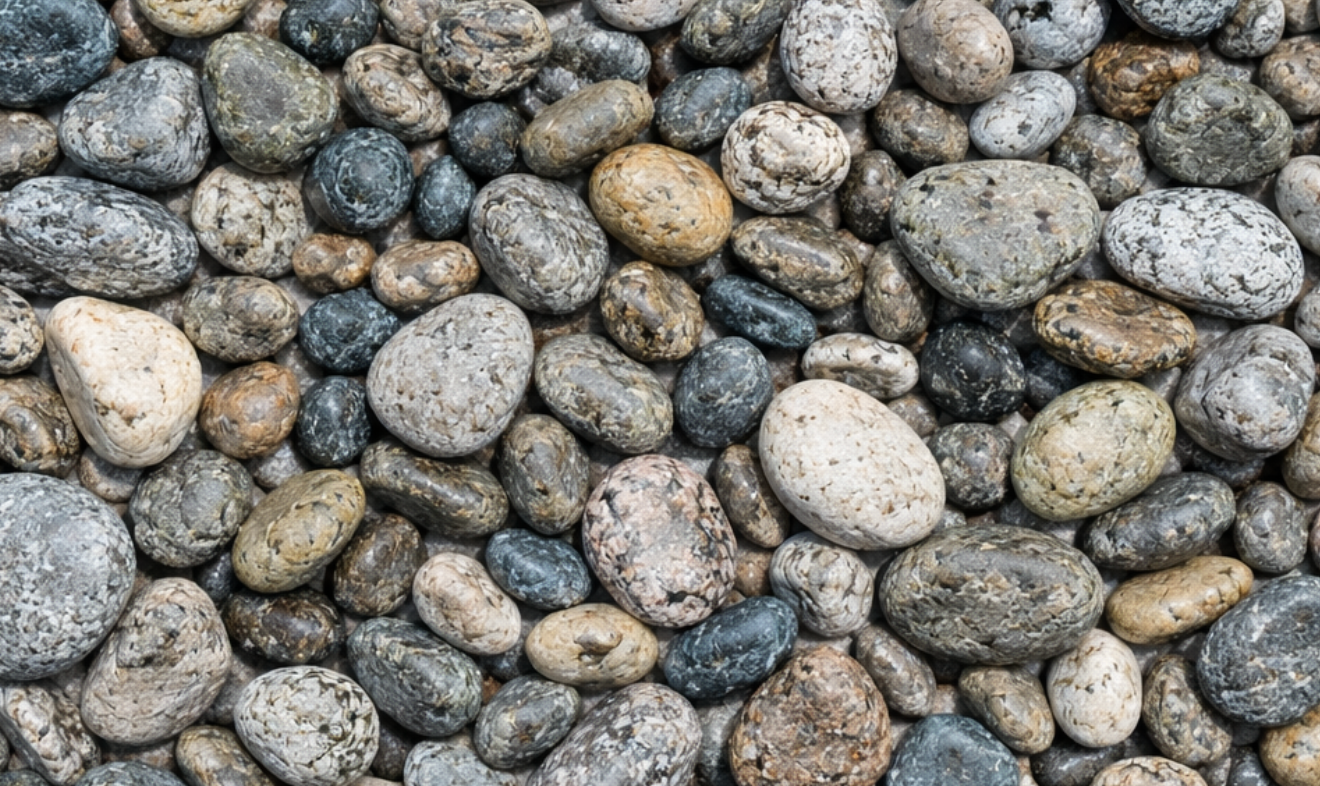
Rounded River Rock

River rock looks appealing but is a poor choice for post holes.
- Does not compact
- Rolls and shifts under pressure
- Offers minimal lateral support
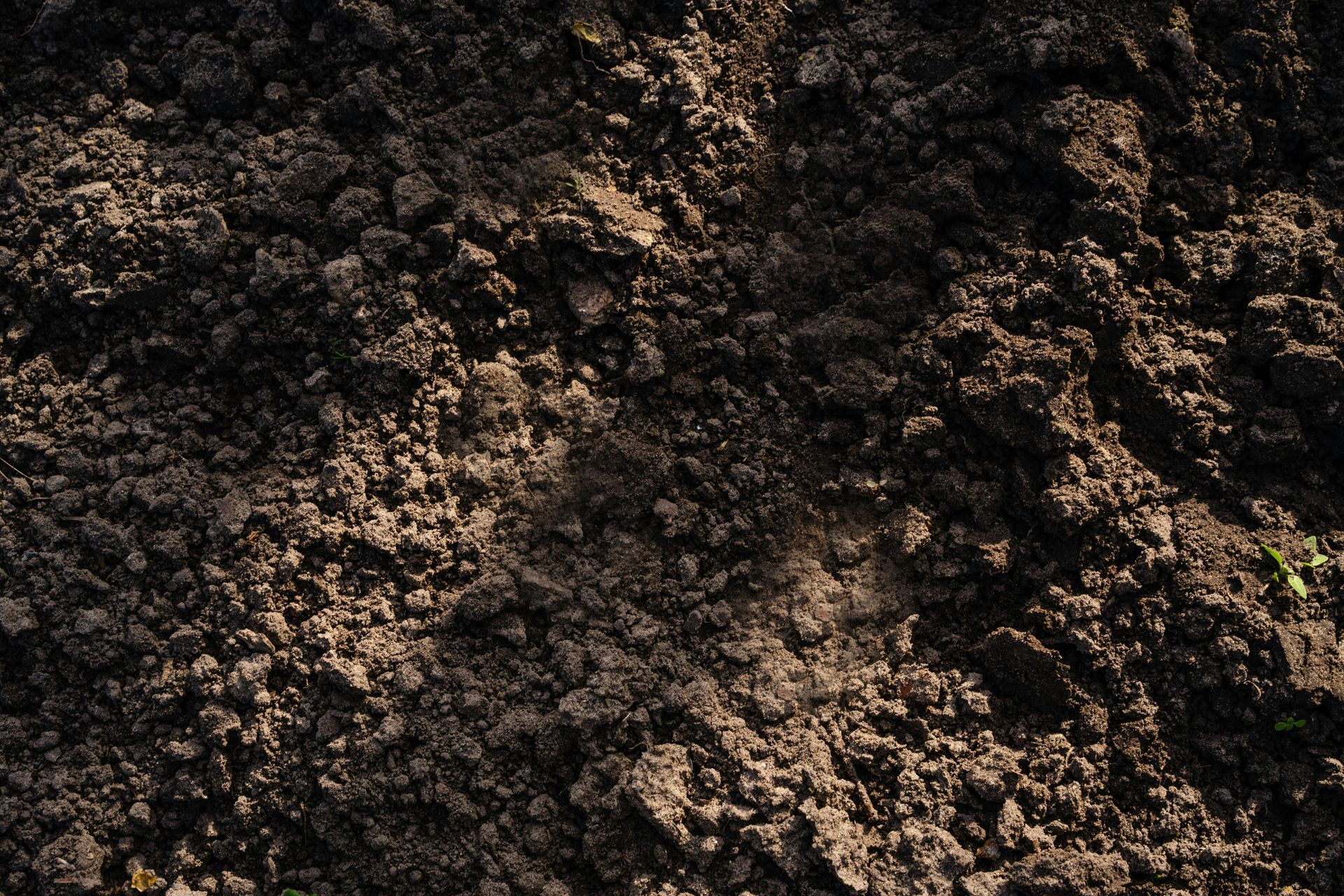
Soil or Dirt Backfill

Backfilling with native soil alone is one of the most common installation mistakes.
- Traps moisture
- Promotes rot
- Expands and contracts seasonally
- Leads to leaning or heaving posts
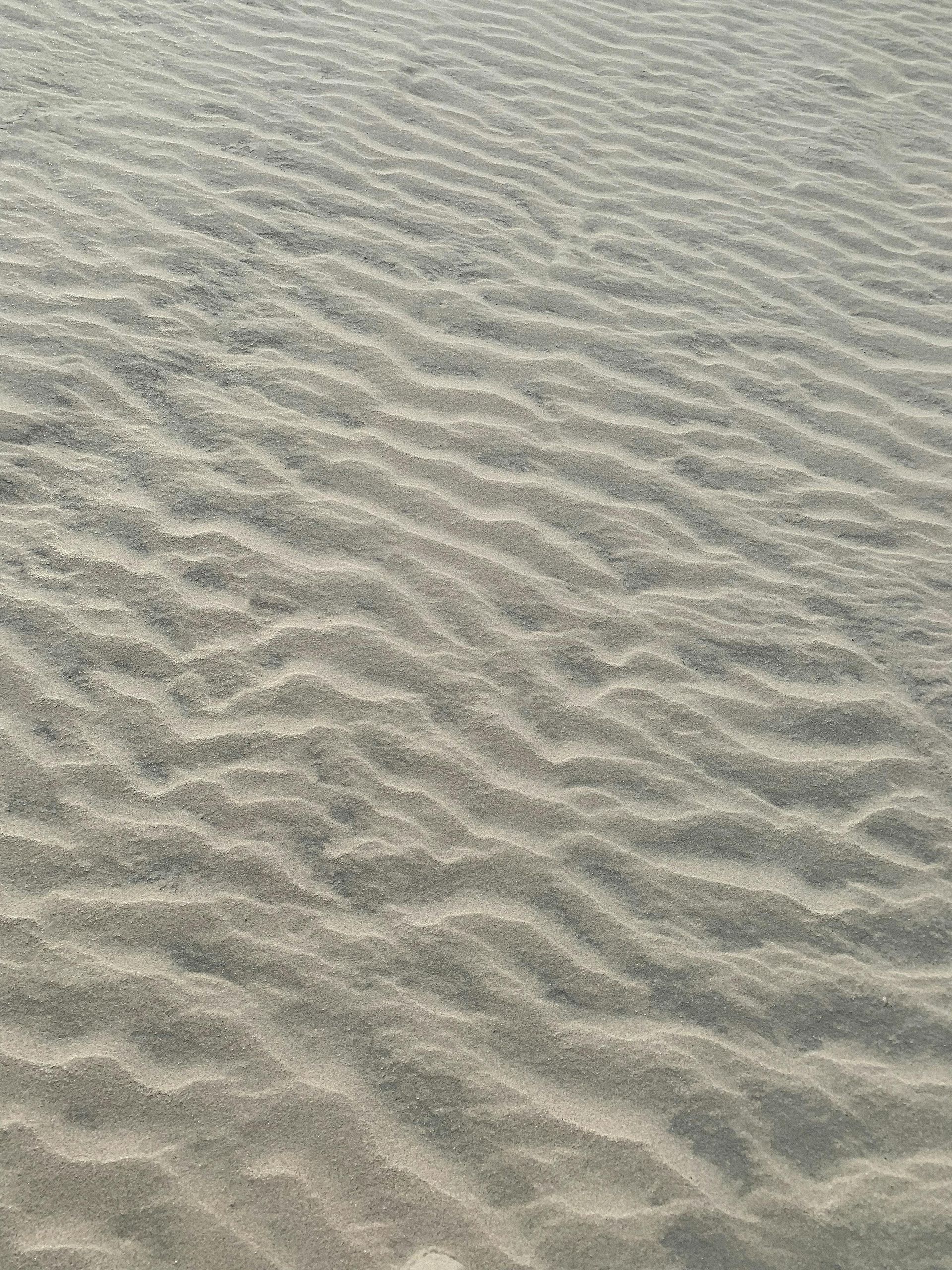
Sand

Sand drains well but lacks structural strength.
- Posts can loosen over time
- Shifts easily in wet conditions
- Offers little resistance to wind or soil movement
How Much Gravel Should Be Used?
The amount of gravel depends on fence height and post depth, but general guidelines apply.
Typical Gravel Placement
- Bottom of hole: 3–6 inches of gravel for drainage
- Around post (if gravel-set): Compacted in 4–6 inch lifts
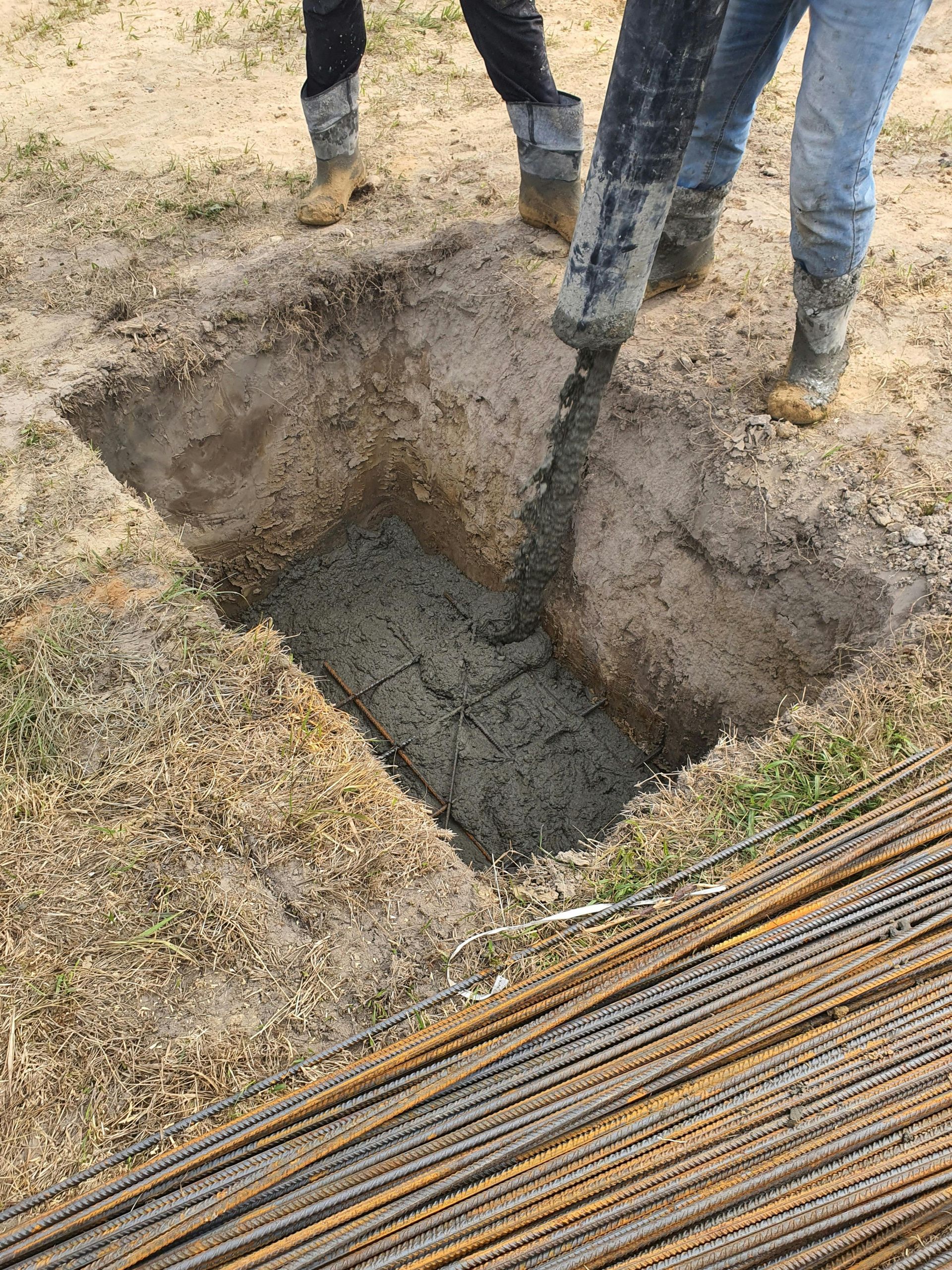
- If using concrete: Gravel should still be placed at the bottom before concrete is poured
For a standard 6-foot wood fence, post holes are typically around
24 inches deep, meaning gravel accounts for roughly
15–25% of the total hole depth.
Gravel vs. Concrete: Do You Still Need Gravel?
Even when setting posts in concrete, gravel is still important.
Gravel was placed at the bottom of the hole:
- Allows water to drain below the concrete
- Reduces standing moisture around the post base
- Helps prevent frost-related movement
Skipping the gravel layer under concrete can cause water to collect at the bottom of the post, increasing the risk of rot—especially for wood fences.
Sacramento-Area Soil Conditions and Common Gravel Mistakes
Local soil conditions across Greater Sacramento directly affect how well gravel performs under wood fence posts, and using the wrong approach can cause problems that don’t appear until months later. Clay-heavy soils, common in areas like Sacramento and Elk Grove, hold moisture and benefit from additional drainage and tightly compacted crushed stone. Sandy soils drain more easily but still require a compactable gravel base to prevent posts from shifting over time. Rocky soils can limit digging depth and require careful gravel placement and compaction to maintain stability.
Many fence issues arise not from the soil itself, but from small installation mistakes. Homeowners often use decorative or rounded rock instead of structural gravel, skip compaction between layers, or rely on soil backfill alone. Using too little gravel at the base or mixing incompatible materials in the same hole can also lead to post movement. These problems don’t always show up right away, but they commonly result in leaning or unstable fence posts within the first year.
Learn about soil considerations per city by clicking here: City Soil and Rooting Your Fence Posts
Final Thoughts
While some homeowners choose to install fencing themselves, gravel selection and placement are areas where professional experience has a major impact. A qualified fence contractor evaluates local soil conditions, selects the correct gravel type, sets posts to the proper depth, and compacts materials correctly to keep posts aligned and stable long term. For homeowners and property managers investing in a fence meant to last, professional installation often reduces future maintenance issues and costly repairs.
Gravel may seem like a small detail, but it plays a critical role in how well a wood fence performs over time. The right gravel helps posts stay straight, improves drainage, and reduces moisture-related rot. Crushed stone remains the most reliable option for most residential fences, but depth, compaction, and soil conditions matter just as much as the material itself. If you’re planning a new fence or correcting leaning posts, paying attention to what’s below ground is one of the smartest decisions you can make—especially for long-term fence performance in the Greater Sacramento area.