

How Deep Should Fence Posts Be Set in Greater Sacramento?

January 27, 2026

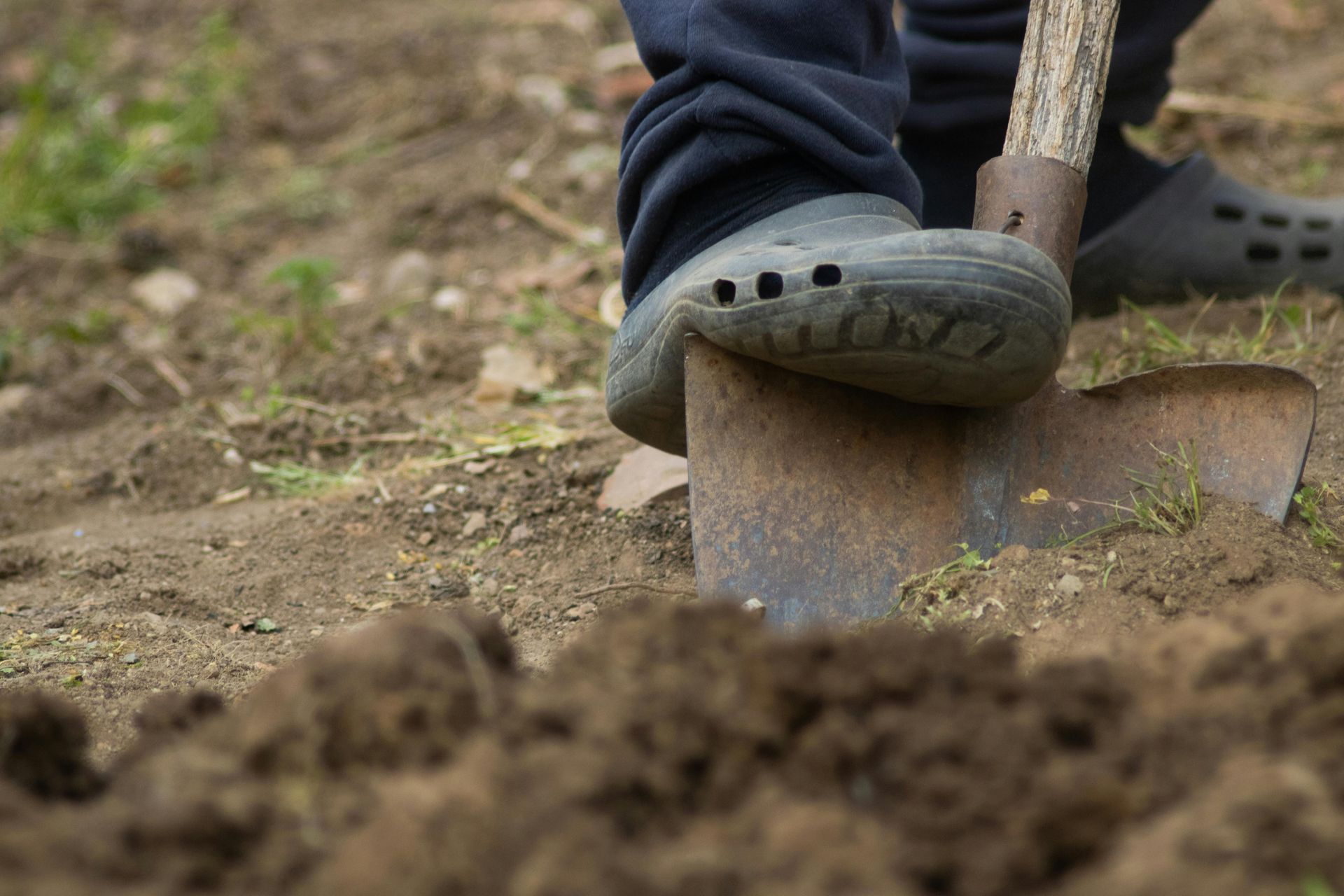
Installing a sturdy wood fence starts below ground. The rule of thumb for post depth is bury about one‑third of the post’s total length. For example, a six‑foot fence needs a hole about two feet deep and three times the width of the post. Deeper holes improve stability for taller fences or in soils that swell, shrink or erode. In clay or wet soils, adding a gravel base improves drainage and prevents rot. With that baseline in mind, local soil conditions across Sacramento’s cities determine how much rock you’ll hit and what tools you’ll need. Here’s a city‑by‑city guide.

Sacramento and north of Sacramento cities digging depth information

how far do i dig for fence stability

West Sacramento

West Sacramento sits on the low Sacramento River floodplain. Soils are very deep, poorly drained clays formed from river alluvium. Clay expands when wet and shrinks when dry, stressing fence posts. Posts should be set at least one‑third of their height (2 ft for a 6 ft fence) and anchored with gravel then concrete for stability. Use a power auger or manual post‑hole digger; no bedrock means digging is easy but muddy clay may collapse, so have extra concrete ready. Steel posts help resist movement in clay soils.

Rancho Cordova

Rancho Cordova lies along the American River on deep alluvial soils with a mix of sand, silt, and clay. Posts for a 6‑ft fence should go at least 2 ft deep, and wider holes (12 in for 4 in posts) help stability. Expect pockets of river cobble, so bring a digging bar or rock auger for stones. Gravel in the bottom of the hole improves drainage, and a concrete collar locks posts against shifting clay.

Citrus Heights

Citrus Heights sits on valley soils with moderate shrink‑swell clays interspersed with loamy areas. Clay soil holds water, so posts need gravel at the base and holes a third of the post height. Occasional hardpan or small rocks may require a clamshell post‑hole digger and digging bar. Use steel posts when soils are prone to shrinking and swelling.

Fair Oaks

Fair Oaks sits along the American River bluffs. Soils range from sandy loams near the river to clay on terraces, giving good drainage in some yards and water‑holding in others. For sandy spots, dig at least 2 ft and tamp gravel firmly. Clay areas require a gravel base and concrete collar. Tools: manual digger for loam, power auger for clay; rarely will you hit bedrock.

Carmichael

Carmichael, another American River community, features urban‑modified alluvial soils—mixes of silt, sand and clay. These soils drain better than pure clay but still shrink and swell. A 2 ft hole for a 6‑ft fence is usually sufficient; add gravel at the bottom and use concrete to lock posts. With little rock, a manual post‑hole digger and spade suffice; in denser clay pockets, a power auger saves time.

Arden-Arcade

Arden‑Arcade lies along the American River east of Sacramento. Alluvial soils—deposited by the rivers—dominate, with a mix of sand, silt and clay. These soils are fertile but can include clay pockets that shrink and swell with moisture. For a six‑foot fence, dig at least two feet deep and three times the post width. Add gravel for drainage and concrete collars to lock posts in place. Rock is rare, but river cobbles may appear near levees; a digging bar or power auger helps loosen them. Steel posts handle clay movement better than wood.

Gold River

Gold River is a planned community in Rancho Cordova built on historic dredge tailings. Alluvial soils with sand and gravel provide good drainage but pockets of clay remain. Posts should be set one‑third of their length (2 ft for a 6 ft fence) and anchored with gravel and concrete. Expect river cobbles and dredge rock—a digging bar, rock auger or SDS‑max drill may be needed. Clay pockets still shrink and swell, so steel posts resist movement.

Elk Grove

Elk Grove’s landscape is flat and agricultural. Clay soils are common throughout Sacramento County, so expect dense, water‑retentive earth. Dig holes 2 ft deep for a 6‑ft fence and consider deeper (30 in) when soils are saturated. Clay can feel like concrete when dry; a power auger, digging bar and post‑hole digger are invaluable. Backfill with gravel and concrete to prevent movement.

Folsom

Folsom lies at the base of the Sierra foothills. Lots are often sloped, and soils transition from clay near the river to decomposed granite and rocky outcrops on hillsides. Posts should penetrate rock‑free soil at least two feet; however, shallow bedrock may require rock augers or jackhammers. Well‑draining DG soils mean gravel alone may suffice, but concrete collars help on slopes. Wood posts offer flexibility on uneven terrain, while steel posts provide strength.

Roseville

Roseville straddles valley and foothill terrain. East Roseville and Granite Bay areas have granite outcroppings and decomposed granite soils, while West Roseville sits on clay. For clay areas, set posts one‑third deep with gravel and concrete. In granite zones, expect rock within the first 2 ft; a rotary hammer or rock bit helps. Use a gravel base for drainage and concrete to secure posts. The granite base provides excellent anchoring once you get through the top layer.

Rocklin

Rocklin is known for its granite quarries and rolling hills. Soils consist largely of decomposed granite with shallow bedrock. Digging can be tough—holes may only go 18 inches before hitting rock. Use a rock auger or SDS‑max hammer drill to penetrate. Once through the rock, set posts at least 24 inches deep and backfill with gravel and concrete. Posts in DG soils drain well, so avoid burying wood directly in standing water.

Lincoln

Lincoln sits at the transition between valley floor and foothills. West Lincoln has clay and alluvial soils while eastward soils become sandier with granitic gravels. For clay zones, dig 2 ft‑deep holes and use gravel plus concrete. In gravelly areas, rocks may slow digging—bring a digging bar and power auger. Posts still need to be a third of the height; deeper holes improve stability in gusty foothill winds.

Woodland

Woodland in Yolo County lies on the Sacramento Valley floor with very deep, poorly drained clays. Expect sticky mud in winter and hard cracking clay in summer. Dig 2–3 ft holes (depending on fence height) and brace posts with gravel and concrete. Clay soils demand steel or pressure‑treated wood posts to resist rot and movement. Tools needed include a power auger and clamshell digger; digging is easy but messy once you break through topsoil.

Loomis

Loomis sits in the foothills adjacent to Granite Bay. Decomposed granite and shallow bedrock dominate. Holes may hit rock at shallow depths, so rock augers or jackhammers are often required. Aim for 24–30 inches of depth; where rock is shallow, anchor posts to bedrock with concrete or consider surface‑mounted brackets. Well‑draining DG soils mean gravel backfill is critical to prevent erosion around the post.

Granite Bay

Granite Bay is aptly named—decomposed granite and shallow bedrock define the soil. Bedrock may be just a few feet down, so expect to hit hardpoints during digging. Use a rock auger or rotary hammer to reach at least 2 ft; where rock is less than 2 ft deep, secure posts with epoxy anchors or surface‑mounted brackets. Drainage is good, but DG erodes, so compact gravel around the post and slope concrete away.

South Sacramento and Farther South Cities Digging Information

how far do i dig for fence stability

Lemon Hill

South Sacramento’s Lemon Hill sits on water‑retentive clay soils common throughout valley bottom neighborhoods. Clay holds water and expands when wet, shrinking during dry spells. Dig holes at least 2 ft deep for a 6 ft fence and three times the post width. A gravel base and concrete collar improve drainage and stability. Use a power auger and digging bar to penetrate dense clay; rock is minimal. Consider steel posts to withstand soil movement.

Florin

Florin, another south Sacramento community, shares the valley’s clay‑rich soils. These fine‑textured soils retain water but become like concrete when dry, causing posts to loosen as they shrink and swell. For a 6‑ft fence, dig 2 ft holes and wider diameters for stability. Fill the bottom with 4–6 inches of gravel and backfill around the post with concrete. A power auger, clamshell digger and digging bar make short work of heavy clay. Steel posts are recommended for longevity in shifting soils.

Vineyard

The Vineyard community, east of Florin, spans fertile alluvial soils interspersed with clay and sandy loam. Sandy loam drains well, while clay pockets hold water. Set posts at least two feet deep and three times as wide as the post. Use gravel for drainage and concrete to secure posts. Rocks are uncommon, but occasional pebbles may require a digging bar. Choose steel posts in clay sections and wood posts in well‑drained sandy loam areas.

Elk Grove

Elk Grove’s landscape is flat and agricultural. Clay soils are common throughout Sacramento County, so expect dense, water‑retentive earth. Dig holes 2 ft deep for a 6‑ft fence and consider deeper (30 in) when soils are saturated. Clay can feel like concrete when dry; a power auger, digging bar and post‑hole digger are invaluable. Backfill with gravel and concrete to prevent movement.

Wilton

Wilton is a rural area south of Elk Grove along the Cosumnes River. Clay and loam soils dominate the valley floor. Clay’s shrink‑swell behavior stresses fence posts. Dig holes 24–30 inches deep and widen them for stability. A gravel layer and concrete backfill provide drainage and hold posts firm. A power auger helps through dense clay; little rock is encountered. Steel posts resist movement in soft soils.

Franklin

Franklin is a small agricultural community southwest of Elk Grove. Valley clay soils dominate, with occasional silt from historic floodplains. These soils hold moisture and contract when dry. Dig posts at least two feet deep for a 6‑ft fence and use gravel and concrete for drainage and support. There’s little rock, but clay may be tough—use a power auger and digging bar. Steel posts offer extra stability in shifting soils.

Clarksburg

Clarksburg sits in the Sacramento–San Joaquin Delta. The Delta’s fertile soils range from organic peat to mineral alluvium. Peat soils, composed of decomposed marsh plants, are soft and moisture‑rich; mineral soils come from river sediment. Posts should be buried deeper than one‑third of their height—2½ ft or more—to anchor in saturated ground. Use gravel for drainage and concrete for stability. Expect no rock, but peat can be spongy; longer posts or steel posts prevent leaning. Consider installing surface drains to divert excess water.

Hood

Hood, a riverside hamlet south of Clarksburg, shares the Delta’s peat and mineral soils. High water tables make soil soft and unstable. For 6‑ft fences, set posts 2½ ft deep and use gravel plus concrete for drainage and strength. A power auger easily penetrates the peat; there is little rock. Choose pressure‑treated or steel posts to withstand constant moisture and shrink‑swell cycles. Regular inspections ensure posts remain plumb.

Galt

Galt lies south of Sacramento on flat valley soils dominated by clay and silt. These fine‑textured soils retain water, so posts should be buried at least two feet and set in gravel and concrete for drainage and stability. Little rock is encountered; a manual digger is usually sufficient. Because clay shrinks and swells, tighten fence panels slightly loose to allow movement and inspect posts regularly.

Herald

Herald is a rural community southeast of Galt. Clay soils dominate the area. These soils retain water and expand when saturated, then crack when dry. For a 6‑ft fence, dig 2–2½ ft deep holes and make them three times wider than the post. A gravel base and concrete collar improve drainage and stability. Use a power auger to break through dense clay; few rocks are present. Steel posts handle movement better than wood in expansive soil.

Walnut Grove

Walnut Grove lies on the Delta’s islands of peat and alluvial soils. The peaty soils are soft and organic, while mineral soils come from river sediments. Install posts 2½ ft deep or deeper for a 6‑ft fence to anchor in spongy ground. Use gravel and concrete for drainage and reinforcement. Expect no rocks, but waterlogged soil may require a pump during digging. Steel or pressure‑treated wood posts resist decay and movement; plan for periodic checks after winter storms.

Davis

Davis shares the same deep alluvial clays and silt as Woodland. Shrink‑swell behavior is common, so set posts at least one‑third deep and anchor with gravel and concrete. Use steel posts to resist soil movement. With little rock, a manual post‑hole digger works, but a power auger speeds the process. Good drainage is essential—add 4–6 inches of gravel at the base.

Final Thoughts

No matter where you live—from the clay basins of West Sacramento and Elk Grove to the rocky hills of Folsom, Granite Bay and Rocklin—the depth of your fence posts makes or breaks the fence. Bury at least one‑third of the post length and adapt to local soils by using gravel for drainage, concrete for strength and the right digging tools. Understanding your neighborhood’s soil saves time and reduces costly repairs. Don’t waste time, money or frustration—let us do the job for you.

Share this article

Recent Posts

best gravel for fence posts, gravel under wood fence posts, fence post gravel drainage
By Lukas Wilmore February 8, 2026
Learn which gravel works best under wood fence posts, how much to use, and what to avoid for long-lasting fence stability and drainage.
concrete fence posts Sacramento,gravel vs concrete fence posts,wood fence installation guide
By Lukas Wilmore February 4, 2026
Unsure if wood fence posts need concrete? Our Sacramento-area guide explains when to use concrete versus gravel or foam based on soil type and fence height.
redwood wood durability,redwood fencing strength,redwood outdoor use
By Lukas Wilmore January 16, 2026
Explore how strong and durable redwood wood is for fencing, sheds, and outdoor structures, including lifespan, weather resistance, and long-term value.
cedar wood durability,cedar fencing strength,cedar outdoor use
By Lukas Wilmore January 16, 2026
Learn how strong and durable cedar wood is for fencing, sheds, and outdoor projects, including weather resistance, maintenance needs, and long-term performance.
fence maintenance scams,hoa fence maintenance,wood fence maintenance scams
By Lukas Wilmore January 14, 2026
Learn the top fence maintenance scams affecting homeowners and HOAs nationwide. Protect your fence investment by knowing what to watch for before signing.
commercial iron fencing scams,iron fence contractor fraud,commercial fencing mistakes
By Lukas Wilmore January 13, 2026
Learn the most common commercial iron fencing scams and how property owners can protect themselves before hiring a fencing contractor.
wood fencing scams,fence contractor scams,avoid fencing fraud
By Lukas Wilmore January 12, 2026
Learn how common wood fencing scams work and how homeowners can protect themselves before hiring a fence contractor.
history of iron fencing,metal fence materials,wrought iron vs ornamental iron
By Lukas Wilmore January 12, 2026
Learn the history of iron and metal fencing, from wrought iron to modern steel. Explore materials, styles, installation time, and long-term durability.
sacramento wood fence,wood fence stains sacramento,redwood vs cedar fencing
By Lukas Wilmore January 12, 2026
Compare wood fence materials and stains for Sacramento homes. Learn real costs, lifespan, and what performs best in local heat and sun.
chain link fencing for businesses sacramento,commercial chain link fence sacramento,sacramento cha
By Lukas Wilmore January 9, 2026
Learn which Sacramento businesses rely on chain link fencing for security, safety, and compliance—from construction sites to warehouses and schools.
Show More