



Top 10 Scams in Fence Maintenance

January 14, 2026

Commercial iron fencing is often installed to protect people, property, and assets. Because these projects involve higher costs, specialized materials, and regulatory oversight, they are a frequent target for contractor scams. Many of these scams are subtle and do not become obvious until months after installation—when repairs, compliance issues, or security failures begin to surface. This guide explains the most common commercial iron fencing scams, how they typically occur, and what property owners and managers can do to protect their investment before signing a contract.

Fence Maintenance Scams Explained — And Why They’re Increasing Nationwide

Fence maintenance programs are marketed as a smart way to protect your investment, extend the lifespan of your fence, and reduce long-term costs. In theory, that’s true. In practice, poorly designed or outright deceptive maintenance programs have become one of the most common sources of homeowner and HOA complaints in the fencing industry.


As fencing professionals, we regularly inspect properties where owners believed they were “covered” by a maintenance plan—only to discover neglected repairs, improper treatments, voided warranties, or damage that should never have occurred. These scams are rarely obvious. They’re often buried in contracts, vague service descriptions, or technical language meant to sound reassuring.


This guide breaks down the 10 most common fence maintenance scams affecting homeowners and HOAs across the U.S., explains how they work, and shows you exactly what to watch for before signing any agreement.

What a Legitimate Fence Maintenance Program Should Do

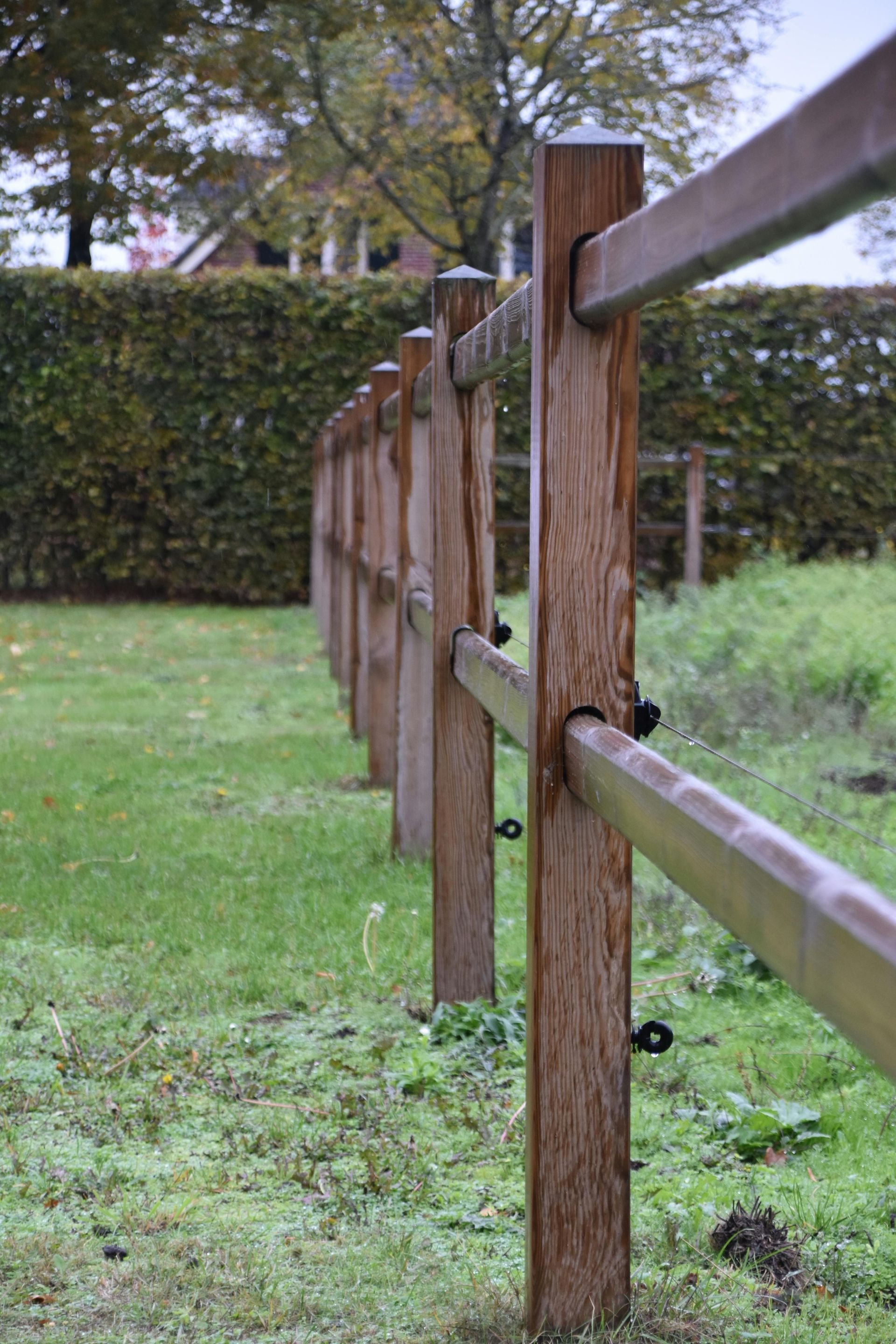
fence repair

A real fence maintenance program is preventative, documented, and specific. It addresses wood movement, moisture exposure, UV degradation, fastener integrity, post stability, and surface protection—based on material type and climate.


According to the U.S. Forest Service, exterior wood products exposed to sun and weather can begin surface degradation within 6–12 months if left untreated, especially in high-UV or dry climates. Preventative maintenance is critical—but only when it’s done correctly.


When programs skip these fundamentals or obscure them behind vague promises, problems follow.

Sources: FS USDA

What a Legitimate Fence Maintenance Program Should Do

A real fence maintenance program is preventative, documented, and specific. It addresses wood movement, moisture exposure, UV degradation, fastener integrity, post stability, and surface protection—based on material type and climate. According to the U.S. Forest Service, exterior wood products exposed to sun and weather can begin surface degradation within 6–12 months if left untreated, especially in high-UV or dry climates. Preventative maintenance is critical—but only when it’s done correctly.

1. “Annual Maintenance” Plans With No Defined Scope

One of the most common scams is the undefined annual visit. These plans advertise “annual inspections” or “yearly maintenance” without listing what is actually inspected, serviced, repaired, or documented. In many cases, the visit consists of a brief walk-through with no measurements, no moisture testing, no fastener checks, and no written report. HOAs are especially vulnerable here, as boards often assume compliance without proof. Consumer protection agencies consistently cite vague service descriptions as a leading cause of contractor disputes. Sources: Consumer FTC

2. “Lifetime Maintenance” That Excludes Almost Everything

The phrase “lifetime maintenance” is one of the most abused marketing terms in construction. These plans often exclude UV damage, warping, checking, splitting, rot, insect activity, and ground contact deterioration—essentially everything that actually happens to fences.

According to the Federal Trade Commission, misleading lifetime claims are a recurring violation category in home improvement advertising.

3. Maintenance That Voids the Manufacturer’s Warranty

This scam is subtle and dangerous. Some contractors apply stains, sealants, or treatments that are incompatible with the original fence material or manufacturer specifications. The fence may look fine initially, but the moment a warranty claim arises, it’s denied. Major lumber associations—including the Western Red Cedar Lumber Association—warn that improper finishes or application methods can void material warranties entirely.

Source: Real Cedar

4. Re-Staining Schedules Designed to Maximize Billing, Not Performance

In many climates, high-quality oil-based stains last 2–3 years when properly applied. Yet some maintenance contracts mandate annual re-staining regardless of exposure or condition. The Paint Quality Institute notes that unnecessary over-application can actually accelerate surface failure by trapping moisture or creating uneven film buildup.

Sources: Pain Quality

5. “Free Repairs” That Are Quietly Billed Later

Another common tactic is advertising “free repairs included” in a maintenance plan. In practice, these repairs are often limited to cosmetic fixes, while structural issues are classified as “out of scope” and billed separately. State contractor boards report that undisclosed exclusions are a leading cause of complaints related to service contracts.

Source: NCLC Org

6. Ignoring Climate-Specific Fence Stressors

Maintenance programs written generically for “any location” often fail because fencing performance is climate-dependent. Dry heat, freeze-thaw cycles, coastal salt exposure, and soil movement all affect fences differently. The International Association of Certified Home Inspectors identifies climate mismatch as a major contributor to premature exterior wood failure.

Source: NACHI Wood

7. HOA Programs That Skip Documentation and Reporting

For HOAs, documentation is everything. Yet many maintenance vendors provide no written inspection reports, no photos, and no measurable data—leaving boards exposed to liability if failures occur. According to Community Associations Institute data, poor vendor documentation is a major risk factor in HOA maintenance disputes.

Source: Caroline Reports

8. Post and Ground-Contact Neglect

Fence failures most often begin below the surface. Posts set too shallow, exposed to moisture, or improperly sealed will fail long before boards do. The American Wood Protection Association emphasizes that ground-contact components require specific treatments and inspections that many maintenance programs skip entirely.

Source: AWPA Standards

9. Maintenance Plans Used to Lock You Into Long Contracts

Some programs are less about maintenance and more about retention. Long-term contracts with steep cancellation fees, automatic renewals, or bundled services restrict homeowner or HOA flexibility—even when service quality declines. The Better Business Bureau consistently flags auto-renewing service contracts as a recurring complaint category in property maintenance.
Source:
Better Business Bureau

10. “Inspection-Only” Plans That Never Prevent Failure

The final and most frustrating scam is the inspection-only plan. These programs identify issues but never correct them unless additional work is approved—often at inflated rates.

Inspections without corrective action do not extend fence life. Preventive maintenance does. The U.S. Department of Housing and Urban Development emphasizes that deferred maintenance is a primary driver of accelerated property deterioration.
Source:
HUD Government Scams Article

How Homeowners and HOAs Can Protect Themselves

A legitimate fence maintenance program should clearly define inspection points, maintenance actions, repair thresholds, documentation standards, compatible materials, and realistic service intervals. Ask direct questions. Demand written scopes. Require photo documentation. Confirm warranty compatibility. And avoid any program that relies more on promises than specifics. Professionals don’t hide behind vague language—because they don’t need to.

Final Thoughts

Fence maintenance programs can absolutely protect your investment when designed correctly. But when built around upsells, exclusions, or ambiguity, they become a liability rather than a safeguard. The best programs are boring, transparent, and predictable. They focus on prevention, not sales. And they respect the reality that fences fail slowly—until they fail all at once. If a maintenance plan sounds too easy, too cheap, or too vague, it probably is.

Share this article

Recent Posts

best gravel for fence posts, gravel under wood fence posts, fence post gravel drainage
By Lukas Wilmore February 8, 2026
Learn which gravel works best under wood fence posts, how much to use, and what to avoid for long-lasting fence stability and drainage.
concrete fence posts Sacramento,gravel vs concrete fence posts,wood fence installation guide
By Lukas Wilmore February 4, 2026
Unsure if wood fence posts need concrete? Our Sacramento-area guide explains when to use concrete versus gravel or foam based on soil type and fence height.
digging depth for fence posts
By Lukas Wilmore January 27, 2026
Learn how deep to set fence posts across Sacramento’s diverse soils and neighborhoods. Get expert tips on proper depth, tools, and materials for strong fences.
redwood wood durability,redwood fencing strength,redwood outdoor use
By Lukas Wilmore January 16, 2026
Explore how strong and durable redwood wood is for fencing, sheds, and outdoor structures, including lifespan, weather resistance, and long-term value.
cedar wood durability,cedar fencing strength,cedar outdoor use
By Lukas Wilmore January 16, 2026
Learn how strong and durable cedar wood is for fencing, sheds, and outdoor projects, including weather resistance, maintenance needs, and long-term performance.
commercial iron fencing scams,iron fence contractor fraud,commercial fencing mistakes
By Lukas Wilmore January 13, 2026
Learn the most common commercial iron fencing scams and how property owners can protect themselves before hiring a fencing contractor.
wood fencing scams,fence contractor scams,avoid fencing fraud
By Lukas Wilmore January 12, 2026
Learn how common wood fencing scams work and how homeowners can protect themselves before hiring a fence contractor.
history of iron fencing,metal fence materials,wrought iron vs ornamental iron
By Lukas Wilmore January 12, 2026
Learn the history of iron and metal fencing, from wrought iron to modern steel. Explore materials, styles, installation time, and long-term durability.
sacramento wood fence,wood fence stains sacramento,redwood vs cedar fencing
By Lukas Wilmore January 12, 2026
Compare wood fence materials and stains for Sacramento homes. Learn real costs, lifespan, and what performs best in local heat and sun.
chain link fencing for businesses sacramento,commercial chain link fence sacramento,sacramento cha
By Lukas Wilmore January 9, 2026
Learn which Sacramento businesses rely on chain link fencing for security, safety, and compliance—from construction sites to warehouses and schools.
Show More