

Top Wood Fencing Scams every Hoemowner needs to know about

January 12, 2026

Installing a wood fence is a significant investment in both privacy and property value. Unfortunately, wood fencing projects are also a common target for contractor scams. These scams rarely look obvious at the start. Most begin with friendly conversations, attractive pricing, and confident promises that slowly unravel once work begins—or doesn’t begin at all.


This guide explains the most common wood fencing scams homeowners encounter, how they typically unfold, and how to protect yourself before signing a contract or paying a deposit.

Why Wood Fencing Is a Common Target for Scams

Wood fencing is especially vulnerable to scams because homeowners are often unfamiliar with construction standards. Fence work also happens quickly, usually on the exterior of the property, making shortcuts harder to notice until months later. Add upfront deposits, custom materials, and seasonal demand, and the conditions are ideal for dishonest operators to take advantage.

The “Leftover Materials” Fence Scam

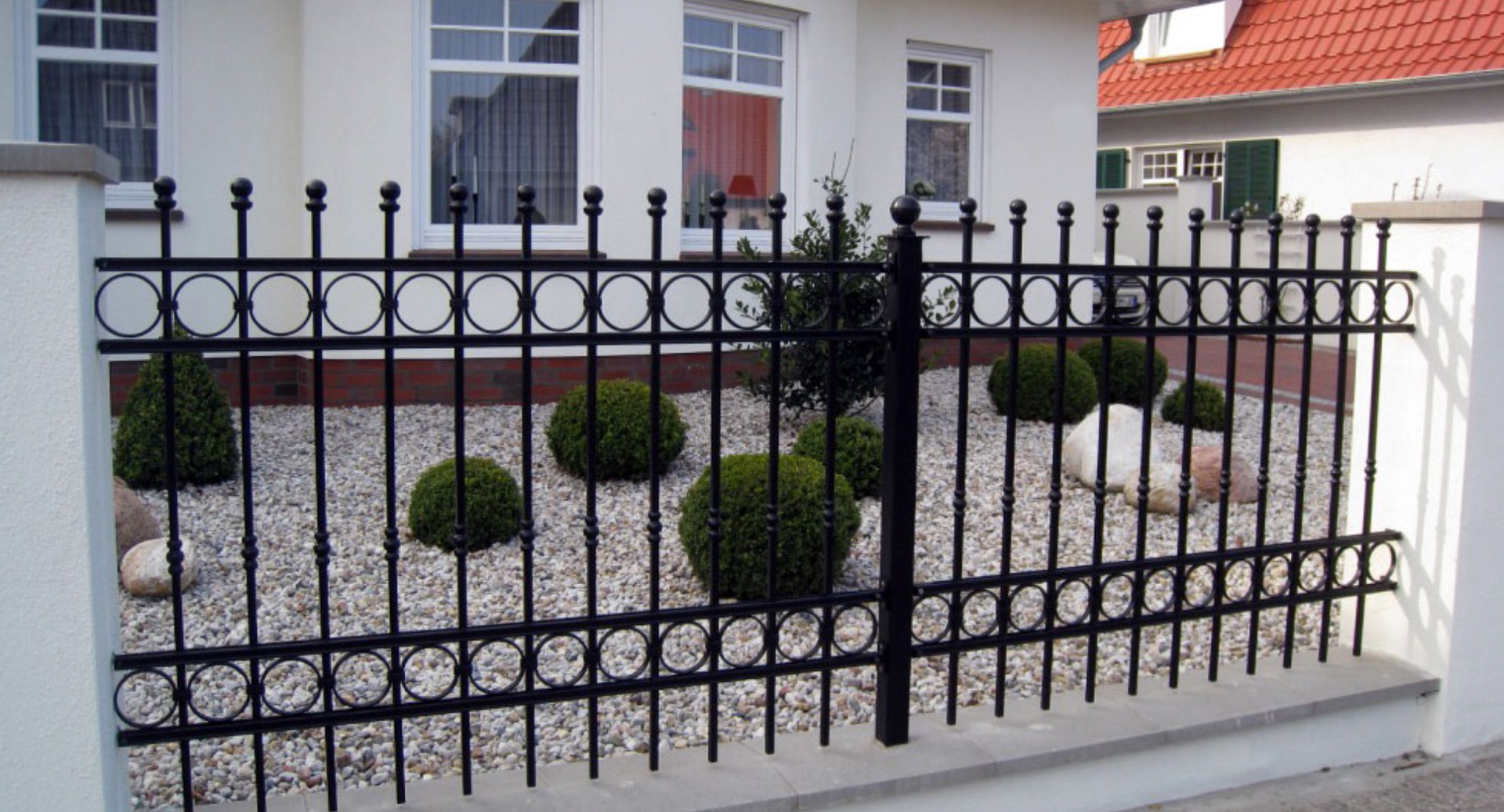
history of iron fencing

One of the oldest fencing scams starts with a contractor claiming they have leftover lumber from another job and can install your fence at a steep discount if you act immediately. The urgency is intentional. Homeowners are pressured to decide before verifying materials, scope, or credentials.


In reality, wood fencing requires precise material planning. “Leftover” lumber is often mismatched, improperly treated, warped, or unsuitable for long-term outdoor use. When problems appear later, there is usually no paperwork, warranty, or accountability.


The safest approach is to require a written scope that clearly states the wood species, grade, and quantity before any work begins.

Vague Contracts That Allow Corner-Cutting

Some fencing contracts look professional on the surface but leave out critical construction details. When materials, post depth, or fastening methods are not specified, contractors gain flexibility to quietly substitute cheaper options without technically breaking the agreement. This is how homeowners end up with thinner boards, shallow posts, or untreated wood even though they expected something better. A legitimate fencing contract should clearly describe how the fence will be built, not just what it will look like when finished.

Cash-Only Discounts With No Documentation

Another common tactic involves offering a lower price if the homeowner pays in cash. While this may sound appealing, it often eliminates invoices, receipts, and enforceable warranties. Cash-only arrangements make it difficult to prove what was agreed to if the project stalls or workmanship is poor. In many cases, contractors using this tactic are unlicensed or uninsured, leaving homeowners financially exposed if damage or injury occurs during the job.

Fence Posts Installed Too Shallow

Improper post installation is one of the most damaging shortcuts in wood fencing. Posts that are not set deep enough may appear fine at first but can shift, lean, or rot prematurely. This problem often shows up months after installation, once the contractor is long gone. Post depth is not arbitrary. It should be based on fence height, soil conditions, and structural load. When contractors rush post installation to save time, the entire fence suffers. Homeowners should always ask how post depth is determined and whether concrete is used during installation.

Bait-and-Switch Lumber Substitutions

In some cases, homeowners are quoted one type of wood but receive another. The substitute may look similar when new, but it may age faster, warp more easily, or fail sooner when exposed to moisture. This scam is difficult to detect after installation, which is why confirming the wood species in writing—and verifying materials before installation begins—is critical.

“No Permit Needed” Assumptions

Some contractors claim permits or approvals are unnecessary to simplify the job or avoid delays. While this may occasionally be true, it often leads to problems later, especially in neighborhoods governed by HOAs or local regulations. Unpermitted fencing can result in fines, forced removal, or disputes with neighbors. Homeowners should clarify who is responsible for permits and approvals before construction begins.

Verbal Warranties That Disappear

Promises like “we’ll take care of it if anything goes wrong” are common—and meaningless—without written backing. When workmanship issues arise, verbal warranties provide no protection. A reputable fencing contractor documents warranty terms clearly, including what is covered, how long coverage lasts, and how repairs are handled.

Unexpected Crews and Subcontractors

Some homeowners are surprised when the contractor they met never shows up for the job. Instead, unfamiliar crews arrive with no clear supervision or explanation. This lack of transparency can create quality and safety issues. Homeowners should know in advance whether work is performed by employees or subcontractors and who is accountable for the final result.

Pressure to Pay Before Materials Arrive

Scammers often request large payments before materials are delivered. Once funds are transferred, communication may slow or stop entirely. Responsible contractors structure payments around clear milestones, such as contract signing, material delivery, and completion. Large upfront payments with no progress are a major warning sign.

No Verifiable Business History

Contractors who rely on temporary phone numbers, unbranded vehicles, or minimal online presence are harder to trace if something goes wrong. While not every good contractor has a large digital footprint, established fencing companies typically have consistent business information, reviews, and project photos that span multiple years.

Final Thoughts

A well-built wood fence should last for years, not months. Understanding how fencing scams operate allows homeowners to protect their investment and avoid costly mistakes. The more informed you are before hiring, the harder it becomes for dishonest contractors to take advantage.

Share this article

Recent Posts

best gravel for fence posts, gravel under wood fence posts, fence post gravel drainage
By Lukas Wilmore February 8, 2026
Learn which gravel works best under wood fence posts, how much to use, and what to avoid for long-lasting fence stability and drainage.
concrete fence posts Sacramento,gravel vs concrete fence posts,wood fence installation guide
By Lukas Wilmore February 4, 2026
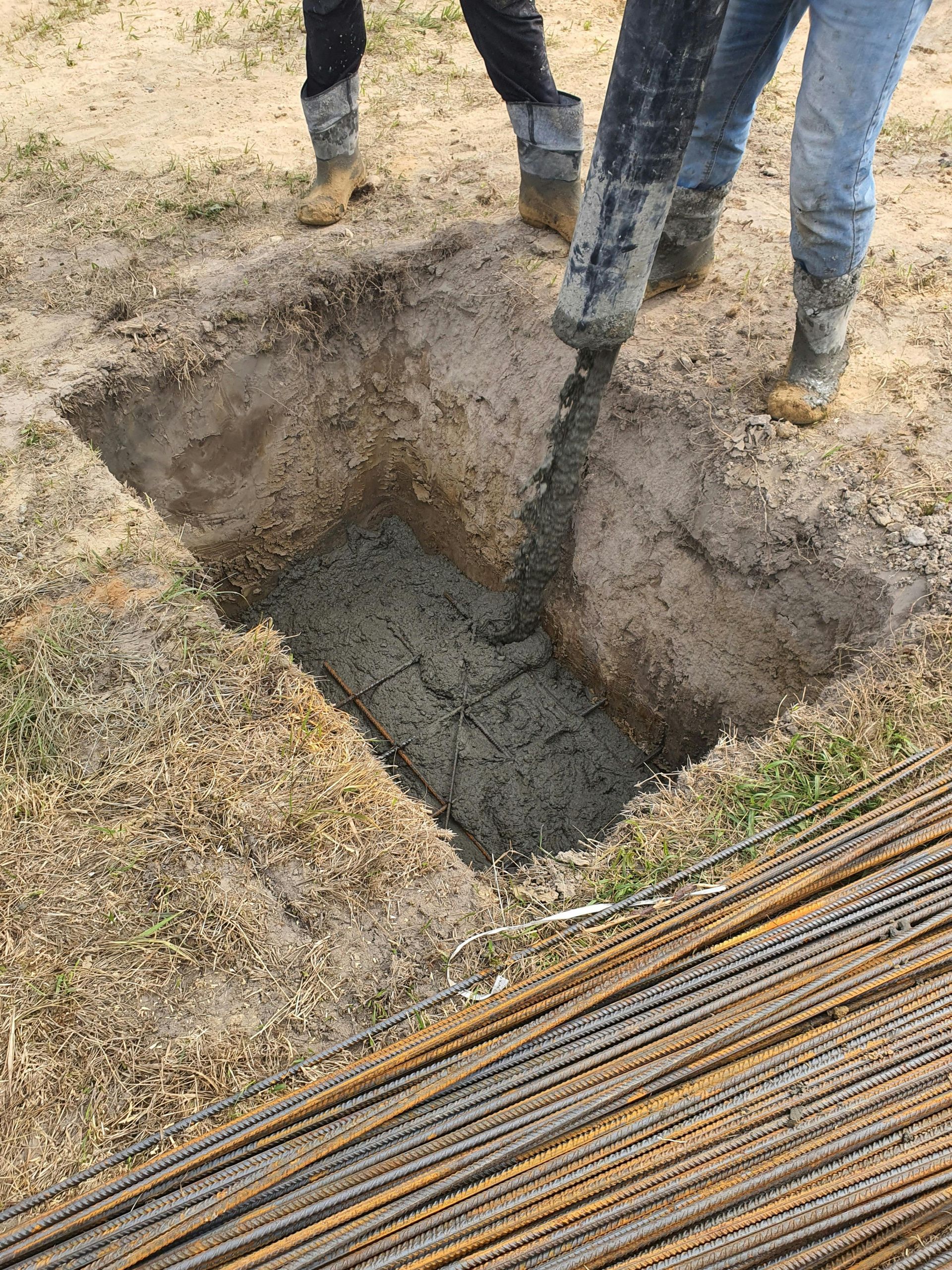
Unsure if wood fence posts need concrete? Our Sacramento-area guide explains when to use concrete versus gravel or foam based on soil type and fence height.
digging depth for fence posts
By Lukas Wilmore January 27, 2026
Learn how deep to set fence posts across Sacramento’s diverse soils and neighborhoods. Get expert tips on proper depth, tools, and materials for strong fences.
redwood wood durability,redwood fencing strength,redwood outdoor use
By Lukas Wilmore January 16, 2026
Explore how strong and durable redwood wood is for fencing, sheds, and outdoor structures, including lifespan, weather resistance, and long-term value.
cedar wood durability,cedar fencing strength,cedar outdoor use
By Lukas Wilmore January 16, 2026
Learn how strong and durable cedar wood is for fencing, sheds, and outdoor projects, including weather resistance, maintenance needs, and long-term performance.
fence maintenance scams,hoa fence maintenance,wood fence maintenance scams
By Lukas Wilmore January 14, 2026
Learn the top fence maintenance scams affecting homeowners and HOAs nationwide. Protect your fence investment by knowing what to watch for before signing.
commercial iron fencing scams,iron fence contractor fraud,commercial fencing mistakes
By Lukas Wilmore January 13, 2026
Learn the most common commercial iron fencing scams and how property owners can protect themselves before hiring a fencing contractor.
history of iron fencing,metal fence materials,wrought iron vs ornamental iron
By Lukas Wilmore January 12, 2026
Learn the history of iron and metal fencing, from wrought iron to modern steel. Explore materials, styles, installation time, and long-term durability.
sacramento wood fence,wood fence stains sacramento,redwood vs cedar fencing
By Lukas Wilmore January 12, 2026
Compare wood fence materials and stains for Sacramento homes. Learn real costs, lifespan, and what performs best in local heat and sun.
chain link fencing for businesses sacramento,commercial chain link fence sacramento,sacramento cha
By Lukas Wilmore January 9, 2026
Learn which Sacramento businesses rely on chain link fencing for security, safety, and compliance—from construction sites to warehouses and schools.
Show More