



Is Concrete Rooting Necessary for Wood Fencing in Greater Sacramento?
February 4, 2026
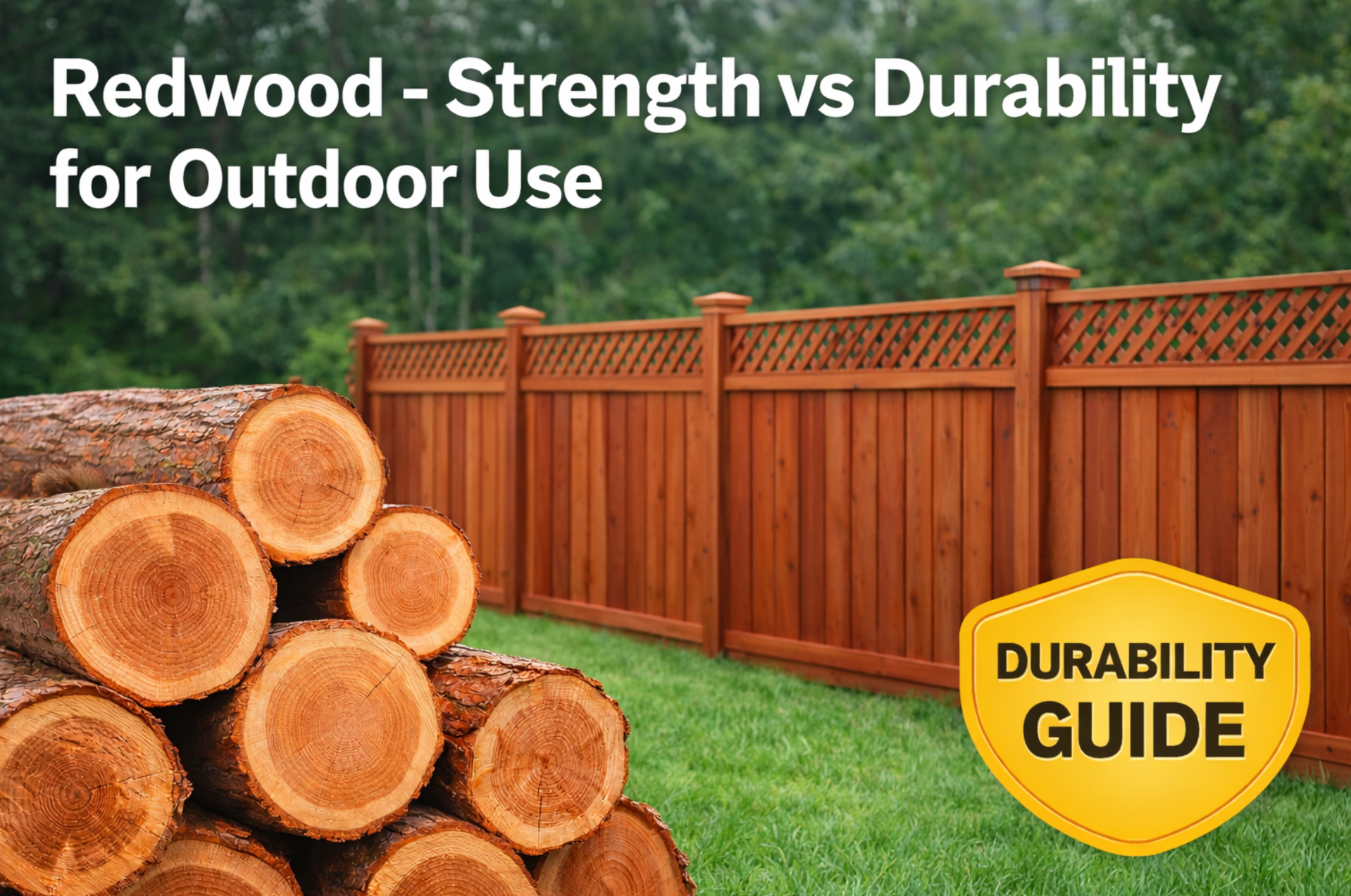
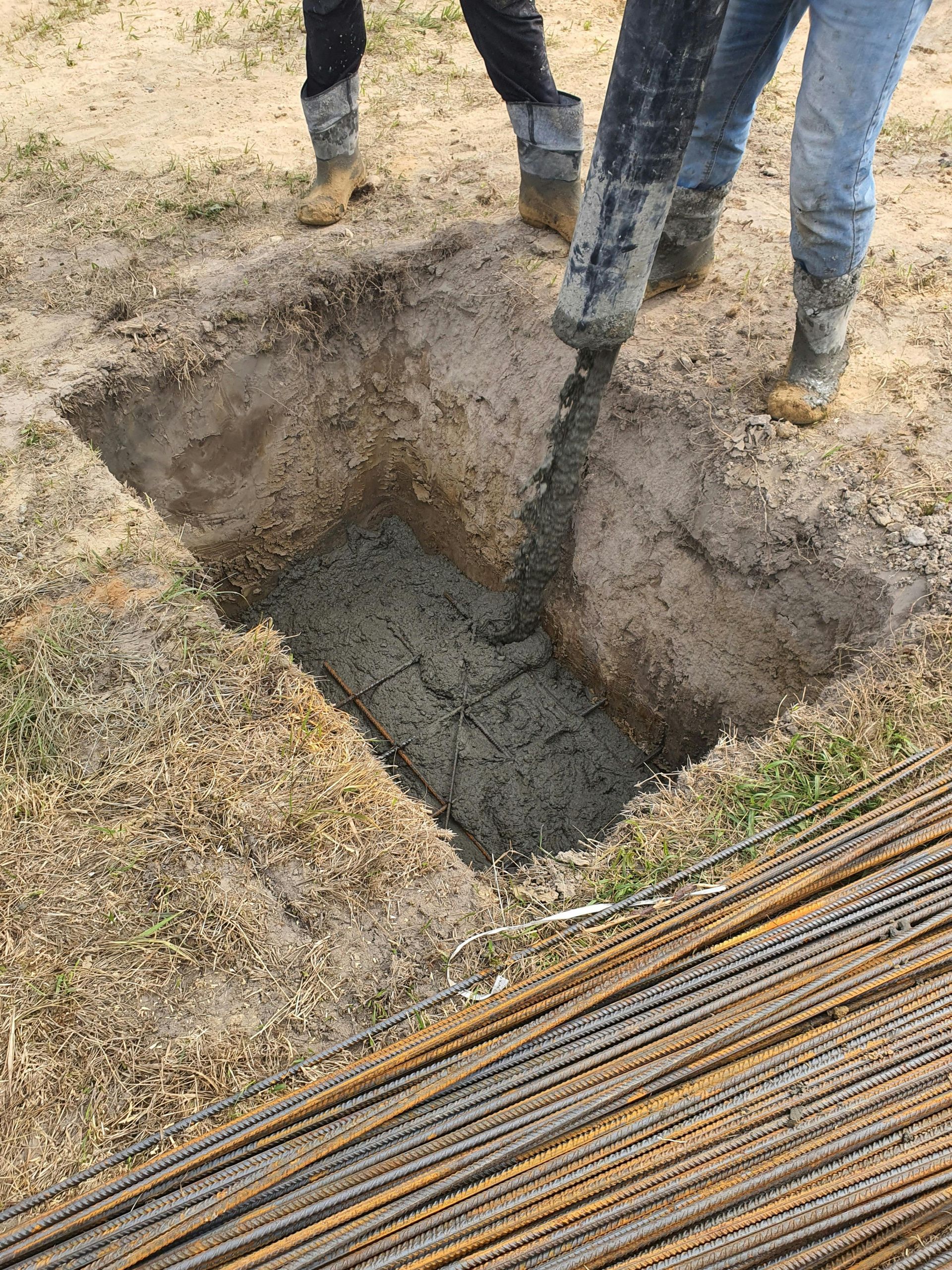
When building a wood fence, many homeowners debate whether posts should be set in concrete or simply tamped in gravel or soil. Concrete provides a solid foundation, keeping posts plumb and resisting high winds; it also can extend the life of posts by reducing direct soil contact. However, encasing wood in concrete can trap moisture and accelerate rot, especially in areas with high rainfall or poor drainage. A few inches of gravel at the bottom of the hole improves drainage and reduces frost heave, and sloping the top of the concrete away from the post sheds water and helps prevent decay. Alternatives such as gravel, crushed rock or expanding foam offer easier installation but may provide less stability in loose soils. Ultimately, the choice depends on soil type, climate and fence height: clay soils and taller fences benefit from concrete anchors, while well‑drained sandy or rocky soils may work with gravel alone.
Sacramento and Cities North of Sacramento guide to concrete rooting

West Sacramento
West Sacramento sits on the Sacramento River floodplain, where very deep, poorly drained clay soils expand when wet and shrink when dry. For fence stability, set posts at least one‑third of their height deep and surround them with gravel and concrete. The gravel layer improves drainage and reduces frost heave; concrete keeps posts plumb and resists movement in unstable soil. In such expansive clay, using only gravel may allow posts to lean or heave. Use a power auger or post‑hole digger; clay digging is easy but muddy, so have extra concrete ready.
Rancho Cordova
Rancho Cordova lies along the American River on deep alluvial soils with a mix of sand, silt and clay. Posts should go at least one‑third of their length into the ground, with holes slightly wider than the post. Expect pockets of river cobble; bring a digging bar. In sandy loam, gravel alone drains well, but clay pockets warrant a concrete collar to prevent shifting. A few inches of gravel at the bottom and concrete around the post balance drainage and stability.
Citrus Heights
Citrus Heights sits on valley soils with moderate shrink‑swell clays interspersed with loamy areas. Clay holds water and expands, so posts need gravel at the base and concrete to keep them level. Occasional hardpan or small rocks may require a digging bar. Steel or pressure‑treated posts resist rot when encased in concrete.
Fair Oaks
Fair Oaks’ soils range from sandy loams near the American River to clay on terraces. In sandy spots, gravel tamped around the post provides adequate drainage and may eliminate the need for concrete. In clay areas, use a gravel base plus concrete to lock posts and prevent lean. Tools needed include a manual digger for loam and a power auger for clay.
Carmichael
Carmichael features urban‑modified alluvial soils—mixes of silt, sand and clay—that drain better than pure clay but still shrink and swell. A gravel base topped with concrete offers the best compromise between drainage and stability. With little rock, manual tools suffice; concrete will keep posts plumb and resist wind.
Arden-Arcade
Arden‑Arcade lies along the American River and has fertile alluvial soils with sand, silt and clay. These soils drain reasonably well, but clay pockets shrink and swell with moisture. Set posts about one‑third of their length deep. In well‑drained spots, tamped gravel may suffice; where clay is present, add a concrete collar for stability. River cobbles may appear near levees; a digging bar helps remove them.
Gold River
Gold River, a planned community built on dredge tailings, has soils of sand and gravel with some clay pockets. Drainage is generally good, but posts should still be buried one‑third of their length. In gravel soils, gravel backfill and compacted crushed rock provide excellent drainage; a concrete collar adds security in taller fences. Expect cobbles or dredged rock; a rock auger may be needed.
Elk Grove
Elk Grove’s flat landscape is dominated by dense clay soils that retain water. Concrete is essential for stability: set posts at least two feet deep for a six‑foot fence and anchor with gravel and concrete. In saturated soils, deeper holes (up to 30 inches) help resist frost heave. A power auger and digging bar will ease drilling through hard clay. Steel posts resist movement and moisture better than wood.
Folsom
Folsom lies at the base of the Sierra foothills. Soils transition from clay near the river to decomposed granite (DG) and bedrock on hillsides. In DG and rocky soils with good drainage, posts can be set in gravel or crushed rock without concrete. Where clay is present or on slopes, a gravel base plus concrete prevents leaning and ensures stability. Rock augers or jackhammers may be needed to penetrate shallow bedrock; surface‑mount brackets or epoxy anchors are alternatives when rock is too close to the surface.
Roseville
Roseville straddles valley clay and foothill granite. In clay areas (west Roseville), posts need gravel and concrete to prevent shifting. In decomposed granite zones (east Roseville and Granite Bay), drainage is good and gravel alone may suffice, but concrete improves stability for taller fences. Expect granite rock within two feet; a rotary hammer or rock auger helps reach the desired depth. Gravel backfill and concrete collar make posts last.
Rocklin
Rocklin’s soils consist mainly of decomposed granite with shallow bedrock. Digging can be difficult—holes may hit rock at 18 inches. In these well‑draining DG soils, gravel or crushed rock backfill is often sufficient, and concrete may be unnecessary unless the fence is tall or subject to high winds. Where bedrock is shallow, anchor posts with epoxy or use surface‑mounted brackets; otherwise bury posts 24–30 inches and use gravel to improve drainage.
Lincoln
Lincoln spans valley clay in the west and sandier, granitic soils in the east. For clay zones, posts need a gravel base and concrete to prevent lean and rot. In sandy or gravelly areas, drainage is better; gravel backfill may be adequate, but concrete adds stability for tall fences. Rocks may slow digging; a power auger and digging bar are helpful.
Woodland
Woodland lies on the Sacramento Valley floor with very deep, poorly drained clays. Posts should be buried at least two feet deep (deeper for taller fences) and anchored with gravel and concrete. Clay soils demand steel or pressure‑treated wood posts to resist rot. Tools needed include a power auger and clamshell digger; digging is easy but messy once the topsoil is removed.
Loomis
Loomis, adjacent to Granite Bay, features decomposed granite and shallow bedrock. Digging holes can be challenging, but these DG soils drain well; gravel backfill may suffice. When bedrock is shallow or slopes are present, use concrete collars or anchor posts to bedrock with epoxy to prevent movement. Aim for 24–30 inch depths and ensure gravel compaction to avoid erosion.
Granite Bay
Granite Bay’s name reflects its decomposed granite and shallow bedrock. Drainage is excellent; gravel or crushed rock backfill usually provides enough stability. However, slopes and wind may justify adding concrete around the post. When bedrock is less than two feet deep, secure posts with epoxy anchors or surface‑mount brackets. Compact gravel and slope any concrete away from the post to shed water.
South Sacramento and Cities South of Sacramento and Concrete Rooting Facts

Lemon Hill
Lemon Hill’s water‑retentive clay soils swell when wet and shrink during dry spells. Concrete is recommended for fence stability: dig holes at least two feet deep and three times the post width. Place 4–6 inches of gravel at the bottom for drainage and pour concrete around the post. A power auger and digging bar are necessary for dense clay. Steel posts withstand soil movement better than wood.
Florin
Florin’s clay‑rich valley soils hold moisture and become like concrete when dry. Posts should be set at least two feet deep and anchored with gravel and concrete to prevent loosening as soils swell and shrink. With little rock, a power auger, clamshell digger and digging bar suffice. Steel posts offer extra stability.
Vineyard
The Vineyard community has fertile alluvial soils interspersed with clay and sandy loam. For sandy loam, drainage is good and gravel alone may suffice; in clay pockets, concrete prevents posts from shifting. Set posts about one‑third deep and use gravel base with concrete where necessary. Occasional pebbles may require a digging bar.
Wilton
Wilton is a rural area along the Cosumnes River with clay and loam soils. Clay’s shrink‑swell behavior stresses fence posts, so dig holes 24–30 inches deep and backfill with gravel and concrete. A power auger helps through dense clay; rock is rare. Steel posts resist movement in soft soils.
Franklin
Franklin’s valley clay soils hold moisture and contract when dry. Posts should be buried at least two feet deep and secured with gravel and concrete for drainage and support. With little rock, a power auger and digging bar will handle the clay. Steel posts improve stability.
Davis
Davis shares deep alluvial clays and silts similar to Woodland. Shrink‑swell behavior is common, so set posts one‑third deep and surround them with gravel and concrete. Steel posts resist soil movement. With little rock, a manual post‑hole digger works, but a power auger speeds the process. Good drainage is essential—add 4–6 inches of gravel and slope the concrete away from the post.
Clarksburg
Clarksburg sits in the Sacramento–San Joaquin Delta with soils ranging from organic peat to mineral alluvium. Peaty soils are soft and saturated; mineral soils are sandy. In peat, bury posts deeper—2½ feet or more—and use gravel to improve drainage. Concrete helps anchor posts in soft ground but must be sloped to shed water. In mineral soils, gravel may suffice, but concrete adds stability for taller fences.
Hood
Hood shares the Delta’s peat and mineral soils. High water tables make soil soft and unstable. Set posts at least 2½ feet deep and use gravel plus concrete for drainage and strength. Pressure‑treated or steel posts withstand constant moisture. A power auger easily penetrates peat; ensure concrete is sloped to direct water away.
Galt
Galt lies south of Sacramento on flat valley soils dominated by clay and silt. These fine‑textured soils retain water, so posts should be buried at least two feet and set in gravel and concrete to prevent leaning. There is little rock; a manual digger usually suffices. Leave slight play in fence panels to accommodate soil movement.
Herald
Herald’s rural landscape features expansive clay soils. Dig 2–2½ foot deep holes and make them three times wider than the post. A gravel base and concrete collar improve drainage and stability. Use a power auger to break through dense clay; few rocks are present. Steel posts handle movement better than wood.
Walnut Grove
Walnut Grove lies on Delta islands composed of peat and alluvial soils. Peat is soft and organic; mineral soils are sediment‑rich. Posts need to be set 2½ feet deep or more for a six‑foot fence and anchored with gravel and concrete. Because peat holds moisture, slope the concrete away from the post to direct water runoff. Steel or pressure‑treated wood posts resist decay; plan for periodic inspection after winter storms.
Final Thoughts
In the Greater Sacramento area, whether concrete is necessary for wood fence posts depends on local soils and fence height. Concrete provides unbeatable stability and keeps posts plumb and level, but it can trap moisture and accelerate rot if drainage is poor. A gravel layer at the bottom of the hole improves drainage and mitigates frost heave. In clay or soft peat soils, concrete collars are essential to resist shifting, while in well‑draining decomposed granite or sandy soils, gravel or crushed rock may suffice for shorter fences. Always slope the top of the concrete away from the post to shed water. Understand your neighborhood’s soil and choose the right foundation to save time and reduce costly repairs. Don’t waste time, money or frustration—let us do the job for you.
Sources for this Article:
https://www.sakrete.com/project-guide/setting-posts-poles/
https://greenwoodfence.com/news/setting-fence-posts-in-different-soil-types-like-a-pro/
https://soilseries.sc.egov.usda.gov/OSD_Docs/S/SACRAMENTO.html
https://alluvialsoillab.com/blogs/soil-testing/soil-testing-in-sacrament
https://foundationfixed.com/granite-bay-vs-natomas-how-soil-types-affect-your-home-foundation/
https://sacramentolandscapingpros.com/roseville
https://ucanr.edu/site/delta-crops-resource-management/about-delta
https://lawncareup.com/sacramento-lawn-care/watering-guide/
https://bigjerrysfencing.com/should-i-concrete-fence-posts-or-not/
https://kingofkingsfence.com/should-wood-fence-posts-be-set-in-concrete/
https://www.homebuildingandrepairs.com/fences/gravel_at_post_bottom.html
https://www.homebuildingandrepairs.com/fences/slope_concrete_post_footing.html