

How Strong and Durable is Cedar for Outdoor Home and Business Use?
January 16, 2026
Cedar is one of the most widely used woods for outdoor construction due to its natural resistance to moisture, insects, and decay. While it is a softer wood compared to many alternatives, cedar’s stability, flexibility, and weather tolerance make it a dependable choice for fencing, siding, and outdoor structures across varied climates. This article examines how strong and durable cedar wood is in real-world conditions, how it responds to different environmental stresses, and where cedar performs best in long-term outdoor applications.
How strong and durable is cedar wood?


Cedar is a softwood prized for its natural resistance to rot and insects. It isn’t the hardest wood, but it’s strong enough for most outdoor uses and has a bit of flexibility (elasticity). Cedar is also one of the most dimensionally stable woods – it doesn’t warp or crack much with temperature or moisture changes. This stability, combined with cedar’s light weight and pleasant aroma, has made it a favorite for outdoor projects. Cedar contains natural oils (ingrown preservatives) in the heartwood that repel insects and resist decay, so it does not need chemical treatment to last outdoors. With basic maintenance (like sealing or staining), a cedar fence or siding can last for decades without major issues.
Cedar vs Rain and Moisture
Cedar handles wet conditions well. Its natural oils prevent rot and fungal decay, so cedar won’t easily rot in rain or humid environments. However, if cedar wood is in constant contact with the ground or pooled water, it’s wise to use a preservative on cut ends or choose treated lumber for those sections. Cedar left unfinished will weather to a gray patina but remain structurally sound in rainy climates for many years.
Cedar vs Dry Heat
In dry, hot weather, cedar’s stability shines. It has a very low shrinkage factor – meaning it doesn’t shrink, twist, or crack much as it dries. This helps cedar boards survive hot summers without warping. You might still apply a sealant to prevent the wood from over-drying or developing surface checks (small cracks), but overall, cedar performs reliably in arid heat.
Cedar vs Humid Heat
Cedar thrives in humid heat as well. Its natural fungicidal compounds inhibit mildew and mold. Even in muggy, tropical-like summers, cedar is resistant to moisture-related problems like rot or termite attack. It also accepts paint and stain well, which can provide extra protection in high humidity. Proper ventilation around cedar structures (like a fence with gaps or a raised deck) will help it last even longer.
Cedar vs Snow
Freezing temperatures and snow don’t bother cedar much. Because cedar doesn’t absorb lots of water and has low expansion and contraction, it’s less likely to crack during freeze-thaw cycles. Many homes in cold climates use cedar siding or shingles successfully. Just keep cedar clear of ice buildup if possible. When spring arrives, cedar doesn’t become brittle – it retains some flexibility, which helps it endure heavy snow or wind without snapping.
Cedar vs Wind
Cedar is relatively lightweight and slightly flexible, which is actually a benefit in strong winds. A cedar fence can sway a bit with gusts rather than break. The wood’s moderate strength is sufficient to withstand normal wind loads on a properly built fence or pergola. (Usually, the design of the structure and post strength matter more for wind than the fence boards.) Cedar’s fibers can bend a little instead of shattering, so it performs well in stormy areas.
Cedar vs Sand and Abrasion
In sandy or abrasive conditions (like beachfront properties where windblown sand or salt is present), cedar’s soft surface can wear over time. Blowing sand might gradually erode or roughen the wood since cedar is a softer wood. Regularly sealing the wood can minimize this wear. Still, cedar won’t “rot” from sand; it just might develop a weathered texture. In high-traffic areas (like a cedar deck), the wood can dent or scratch more easily than harder woods. Using furniture pads and sweeping off sand will help preserve it.
Unique Traits of Cedar

Cedar is Insect Repellent
Cedar is naturally insect-repellent – the same oils that protect it from rot also deter termites and other pests (this is why cedar is used in closets to keep moths away). It’s also an insulative wood; cedar’s low density means it doesn’t conduct heat well, helping keep buildings cool in summer. Cedar has a pleasant smell and does not contain resin pitch, which means it takes stain or paint evenly without bleed-through. In terms of fire resistance, cedar has a Class B flame spread rating, similar to other common woods. It is generally moderate in cost and widely available, making it a popular all-purpose outdoor wood.
Best Use for Cedar wood for Home Improvement Projects
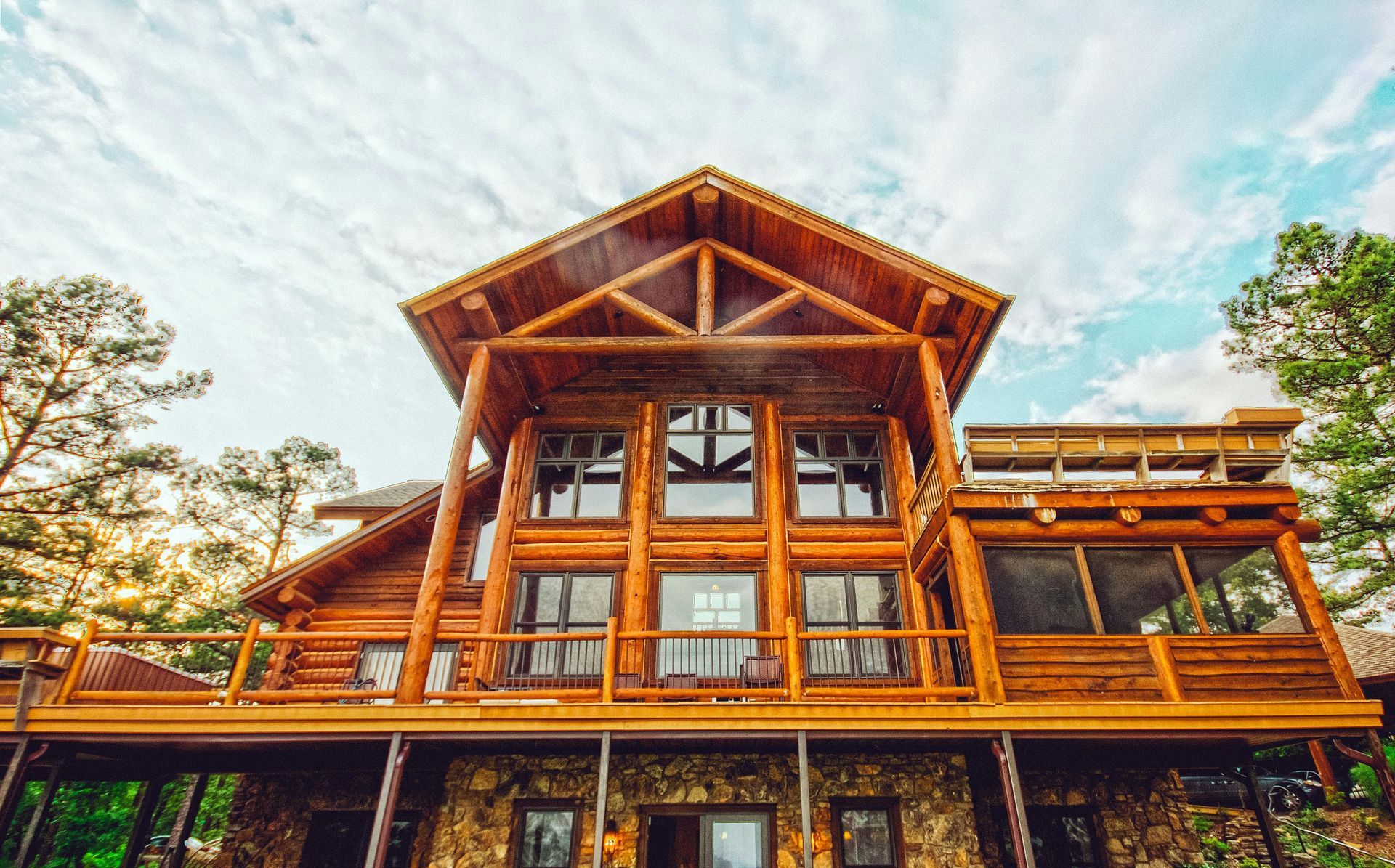
Cedar’s natural resistance to moisture, insects, and temperature swings makes it one of the most versatile woods for exterior construction. While it isn’t the strongest structural lumber, its stability and longevity allow it to outperform many harder woods in outdoor environments when properly installed and maintained.
Example project: Fencing....
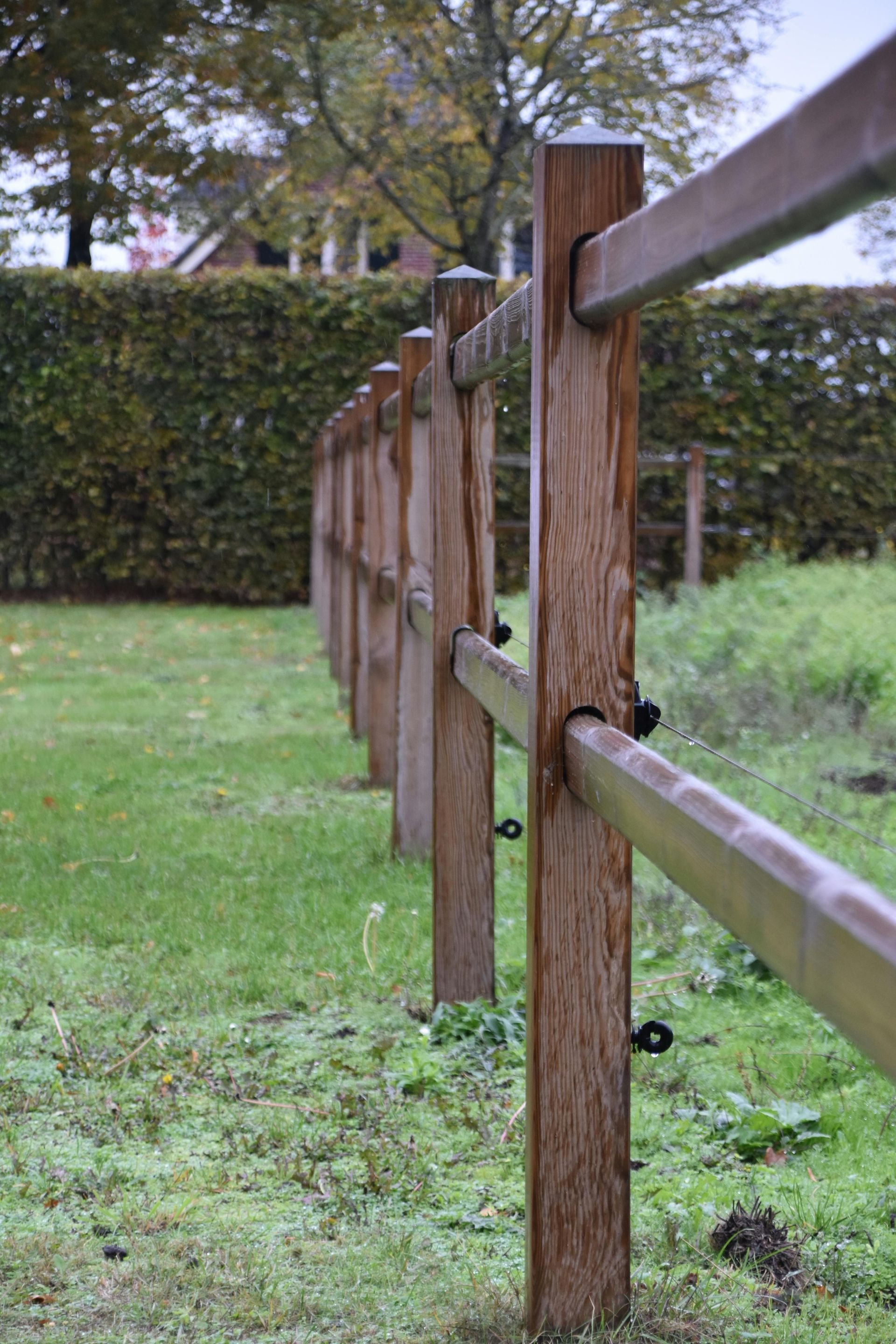
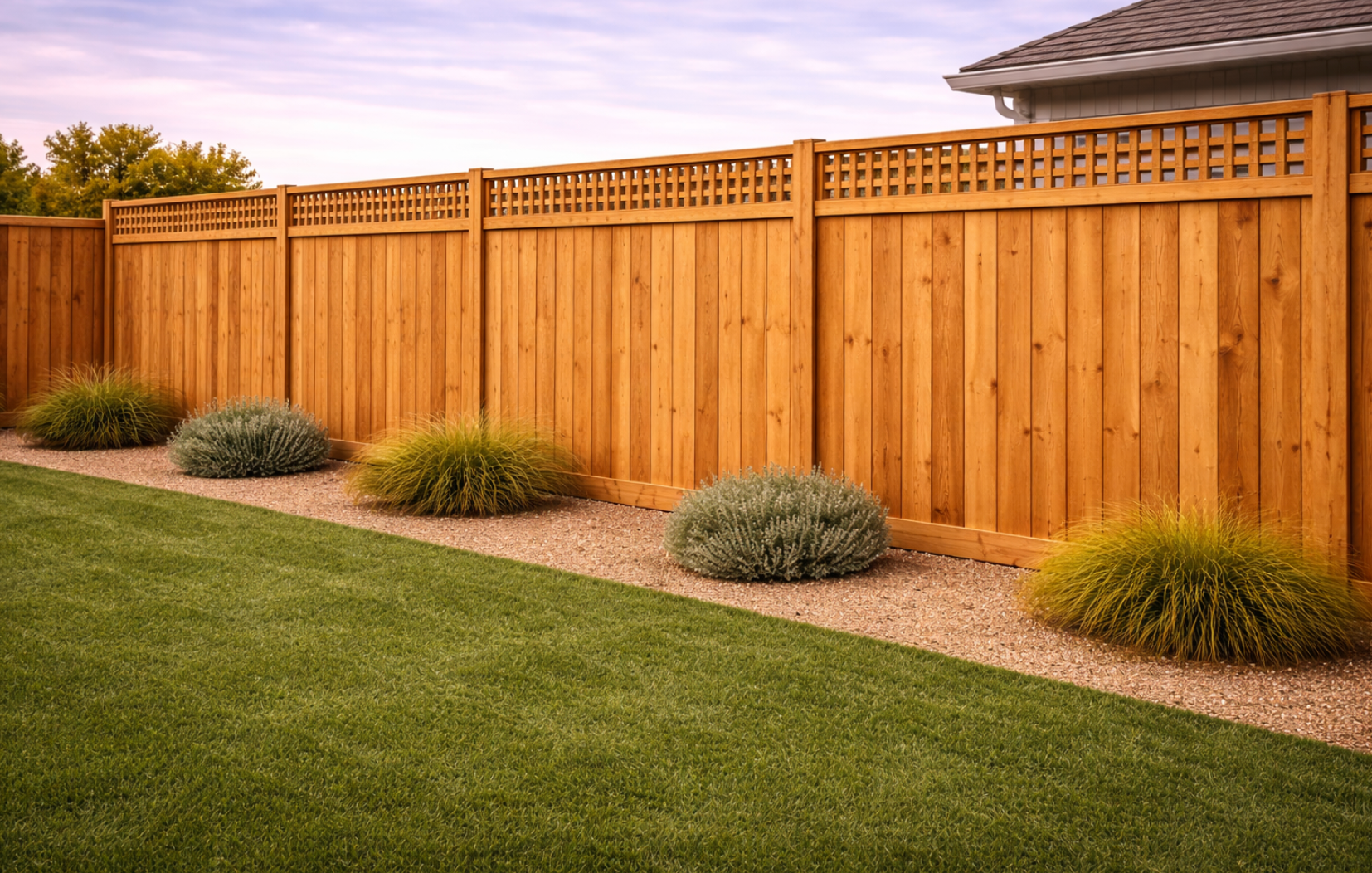
Cedar fencing is one of the most common and successful exterior applications for this wood. Its lightweight structure reduces stress on posts, while its natural oils protect against rot and insect damage without chemical treatment. Cedar fence boards are less likely to warp or split than many other softwoods, especially when installed with proper spacing and airflow.

Cedar is particularly well-suited for privacy fencing, decorative fencing, and custom gate applications where appearance and long-term stability matter more than extreme load-bearing strength. With routine sealing or staining every few years, cedar fences often last 20 years or more in residential and light commercial settings.
Why cedar works well for fencing:
- Naturally resists rot and insect damage
- Maintains straightness in heat and seasonal weather changes
- Lighter weight reduces long-term stress on posts and hardware
Example project: Sheds
Cedar is also commonly used for sheds, pergolas, garden structures, and outdoor storage buildings. Its resistance to moisture makes it a reliable option for wall cladding, trim, and exposed framing components. However, in hot or high-sun environments, cedar benefits significantly from protective finishes that slow moisture loss and UV degradation.
Unfinished cedar exposed to constant sun will fade and dry faster, which can shorten its aesthetic lifespan even if the structure remains sound. Applying oil-based or UV-resistant finishes helps preserve both color and surface integrity over time.
Best for homeowners who want:
- A natural wood appearance without chemical treatments
- Predictable aging and maintenance cycles
- Long-term performance in outdoor environments
Costs Associated with Cedar for Fencing and Home Improvement
Cedar is considered a mid-range material in terms of cost. While it is more expensive than pressure-treated pine, it is generally more affordable than premium hardwoods or exotic lumber. Its long lifespan and lower replacement risk often offset its higher upfront material cost.
Labor Costs
Labor costs for cedar installations are typically moderate. Cedar is easy to cut, fasten, and customize, which keeps installation time efficient. Its lighter weight can also reduce labor strain compared to heavier hardwoods. Custom designs, gates, and decorative elements may increase labor costs, but standard cedar fence installations remain competitively priced.
Depreciation Costs
Unlike some woods that degrade rapidly once protective treatments fail, cedar ages gradually. Even as it fades to a silver-gray patina, it often retains structural integrity. This predictable aging reduces sudden repair costs and helps preserve long-term property value. Cedar does not depreciate quickly due to rot or insect damage, making it a practical choice for homeowners and businesses planning for long-term outdoor use rather than short replacement cycles.
Final Thoughts
Cedar is not the hardest or strongest wood available, but its durability lies in balance rather than brute strength. Its resistance to moisture, insects, and weather extremes makes it one of the most reliable woods for outdoor use across a wide range of climates. For fencing, sheds, and exterior structures where stability, appearance, and longevity matter, cedar remains a proven and dependable choice. With proper installation and routine maintenance, cedar consistently delivers decades of service without major structural issues.