

How Strong and Durable is Redwood for fencing and Home Improvement projects?

January 16, 2026

Redwood has long been considered one of the most reliable and visually appealing woods for outdoor construction. Known for its natural resistance to rot, insects, and weather exposure, redwood has been used for decades in fencing, decks, sheds, and exterior structures across a wide range of climates. This article explores how strong and durable redwood wood truly is, how it performs under real-world outdoor conditions, and why it continues to be a preferred material for long-lasting home and commercial projects.

How strong and durable is Redwood?

redwood

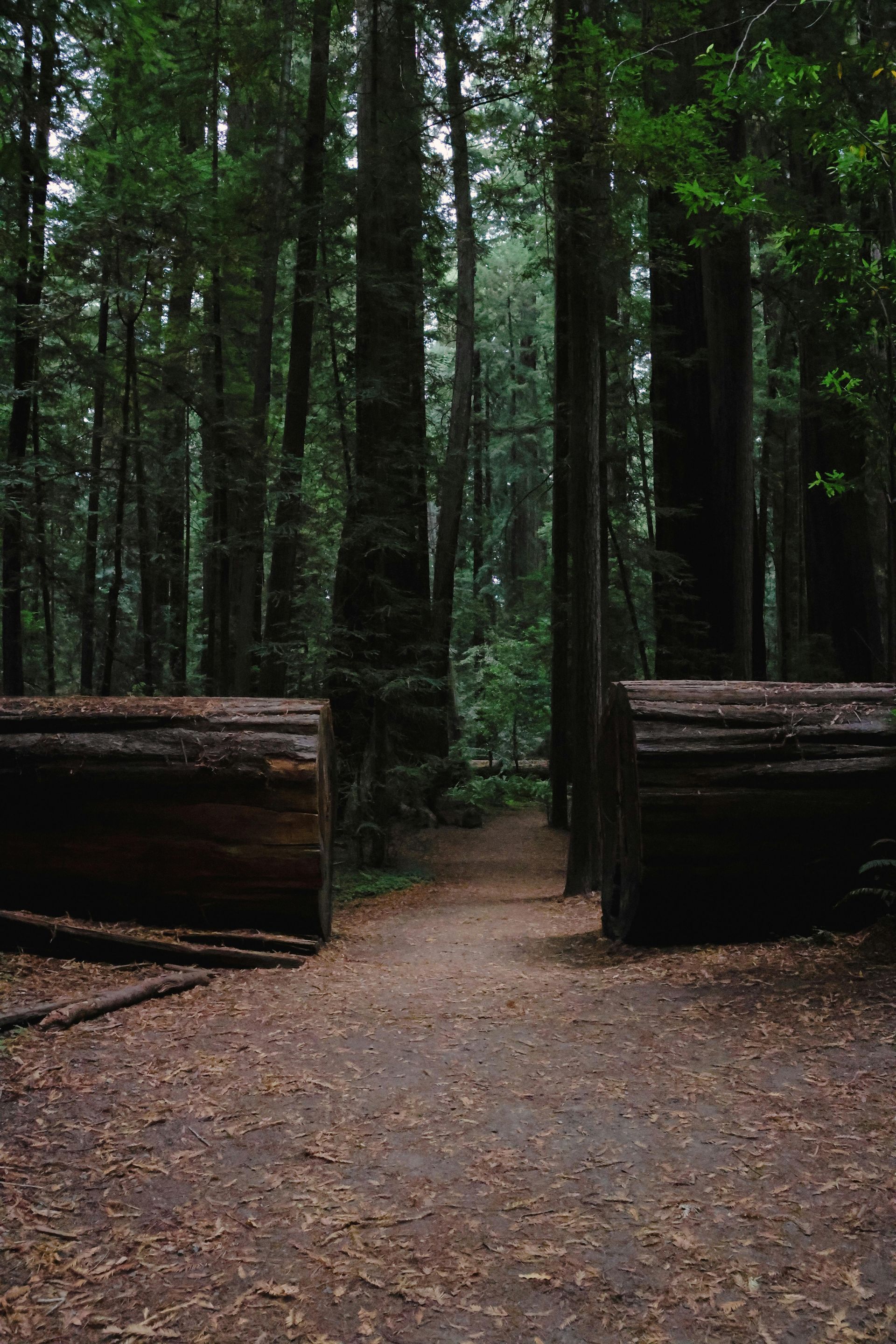
Redwood is another naturally durable softwood, famous for its rich reddish color and rot-resistant heartwood. It comes from California redwood trees and has many of the same advantages as cedar – plus some extra strength. Redwood lumber is lightweight but surprisingly strong, with a tighter grain. In fact, redwood is about 23% harder than Western red cedar (Janka hardness ~450 lb vs. ~350 lb), meaning it resists dings and wear a bit better. Like cedar, redwood contains chemicals (tannins and oils) in its heartwood that ward off decay and insects. It also has excellent dimensional stability, shrinking and swelling less than most woods when moisture changes. These traits allow redwood structures to last a very long time outdoors – in some cases 25+ years with minimal decay. Redwood is often considered a premium fencing and decking material due to its beauty and longevity.

Redwood vs Rain and Moisture

Redwood excels in wet conditions. The heartwood is rich in tannins (natural chemicals) that make it highly resistant to rot, even in damp climates. This is why redwood is commonly used in the rainy Pacific Northwest and why it’s “the premier choice for rainy, humid, or coastal environments where rot is a primary concern.” Redwood fences or siding can handle frequent rain without rotting, as long as they’re built so water can drain (no wood will last if water is trapped continuously). The wood’s cells also don’t swell much with water, so redwood is less prone to warping in prolonged rain. However, like any wood, if you have posts in constant ground contact, using pressure-treated material or metal brackets at the base will extend their life.

Redwood vs Dry Heat

Redwood tolerates hot, dry weather nicely. Its dimensional stability means it won’t twist or crack severely as it dries out. In fact, redwood’s cell structure (thin cell walls) helps it avoid warping or splitting in heat. The wood does contain natural oils, which can slowly evaporate under intense sun, so applying a UV-protective finish will keep it from drying out too much and maintain its color. Overall, redwood stays straight and true in summer heat. It also has low thermal conductivity, so it doesn’t become overly hot to the touch.

Redwood vs Humid Heat

In humid, tropical-like heat, redwood still stands strong. Its high tannin content prevents fungal growth and wood decay even when the air is muggy. Redwood is also naturally resistant to insects (termites typically avoid the heartwood). This makes it ideal for places like coastal southeast areas if it’s available there. Even though redwood trees come from a cooler coastal climate, the wood itself remains durable in high humidity. You may see some surface mildew in shaded, extremely humid conditions, but this can be cleaned off; it doesn’t penetrate the wood.

Redwood vs Snow

Redwood structures can withstand cold winters and snow. The wood does not become brittle in the cold, and it withstands drastic temperature changes without damage. Because redwood doesn’t absorb a lot of moisture, it’s less likely to suffer frost damage (water expanding inside the wood). Historic redwood buildings and water tanks in mountain areas have shown that the wood holds up in freezing weather. Heavy snow load is more a structural design issue, but redwood posts and beams have good strength to handle it. Redwood’s inherent stability means that repeated freezing and thawing won’t cause severe cracking or splitting as long as the wood is sealed and not waterlogged.

Redwood vs Wind

A fence or structure made of redwood can handle strong winds well. Redwood has a higher shear strength than many softwoods (shear strength is the ability to resist forces that might split the wood). This means redwood boards are less likely to snap or split under wind pressure. Additionally, redwood’s moderate weight can be an advantage – it’s heavier than cedar, so fence boards are less likely to rattle or come loose in gusts. Ensure the fence posts (often pressure-treated pine or metal) are sturdy, and the redwood planks will do their part by remaining intact and firmly attached. Redwood’s slight flexibility allows it to absorb wind stress without shattering.

Redwood vs Sand and Abrasion

Redwood is somewhat harder than cedar, but it’s still a softwood, so in abrasive conditions it will experience wear. Blowing sand (like in desert or beach areas) can erode the surface of redwood siding or fencing over time, slowly wearing away the soft grain. The wood’s natural tannins do not particularly protect against mechanical abrasion – they are more for rot and bugs. Therefore, in a windy beachfront location, a redwood fence might weather and roughen. That said, redwood has been used for coastal installations (like boardwalks and decks) and can hold up if it’s thick enough and maintained. It may just develop a rustic, weathered look faster in those abrasive environments. A sealant can provide a sacrificial layer to take the brunt of sand and UV exposure.

Unique Traits of Redwood

redwood table

Redwood is Naturally Beautiful

Redwood's rich color and straight grain make it more attractive than other woods. It has little resin, so it takes stains and paints well, but often people leave it unfinished to enjoy the natural look. One thing to note: redwood’s high tannin content can cause staining on nearby surfaces or hardware if it gets wet initially – you might see dark streaks around nails or where water drips (using stainless or galvanized fasteners and pre-sealing the wood helps prevent this).


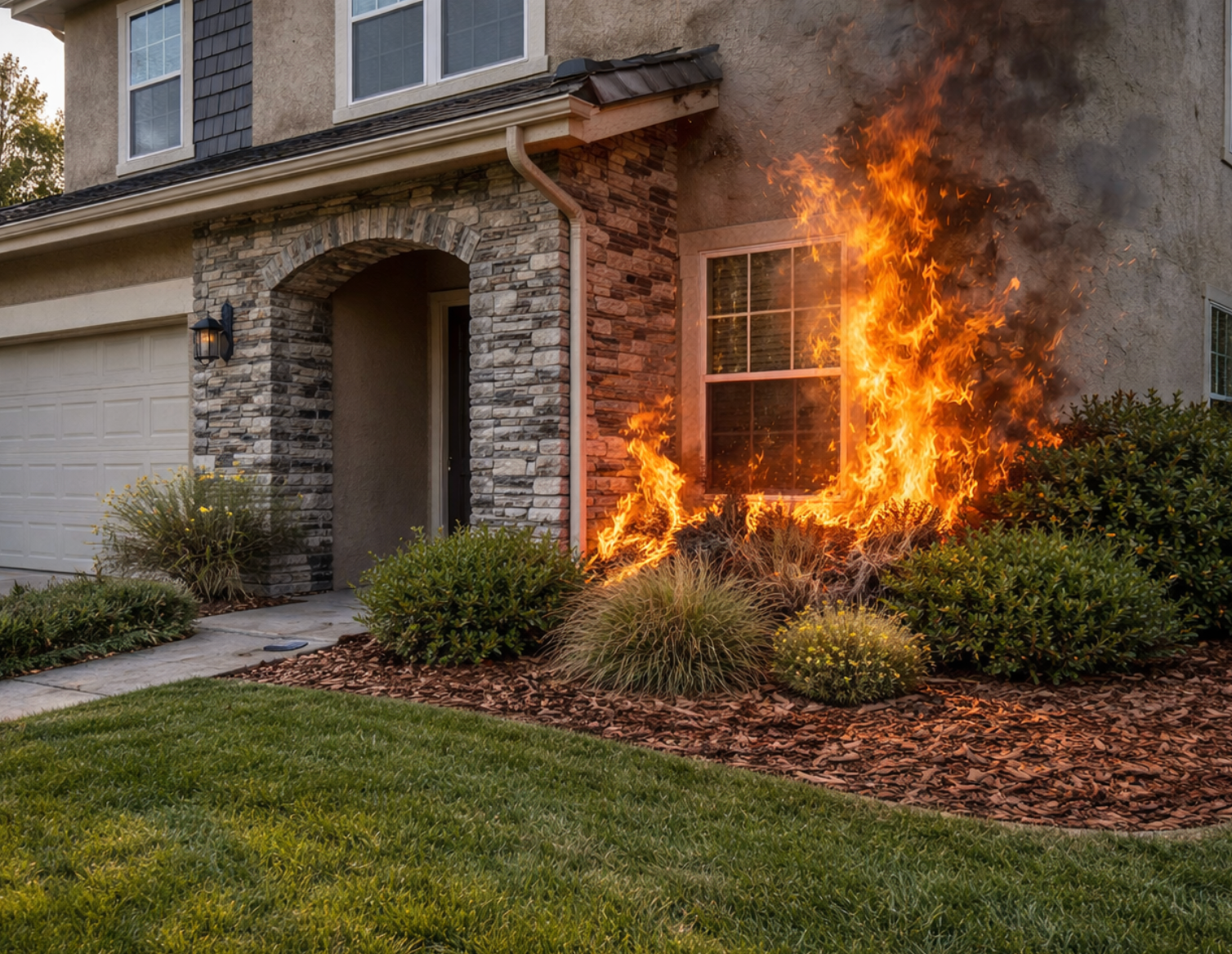
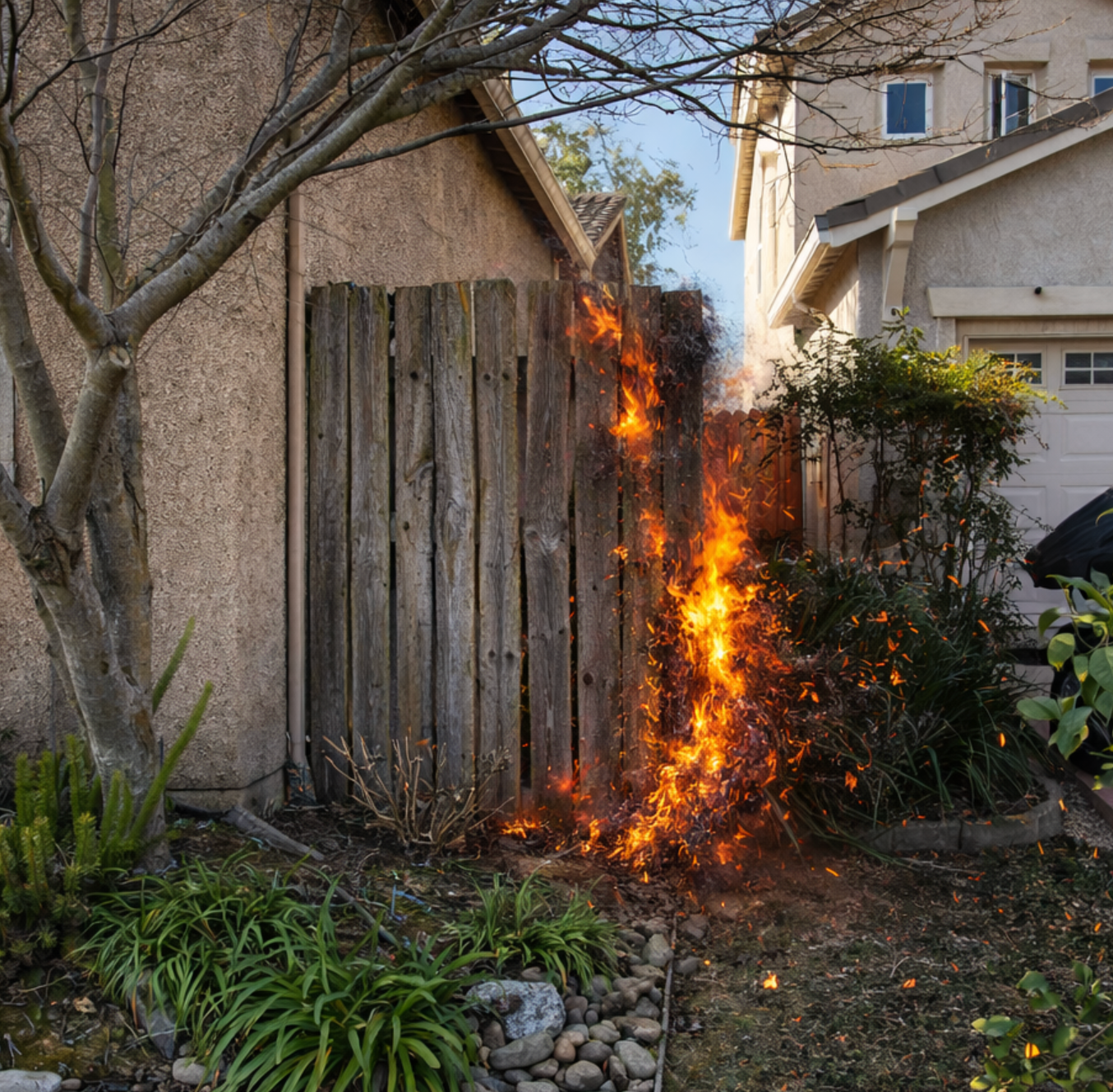
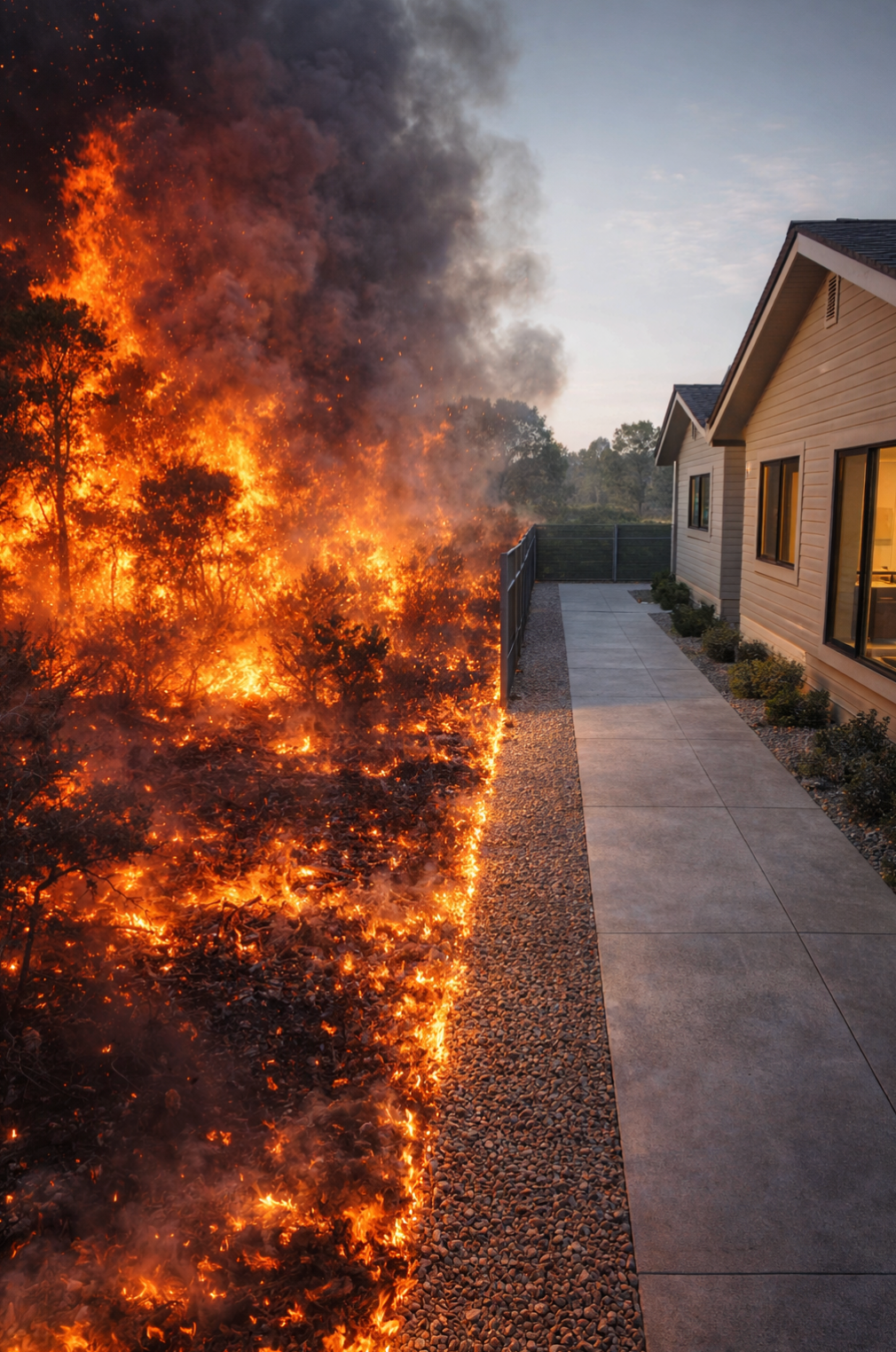
Redwood also has a Class B fire rating, similar to cedar, meaning it has moderate fire resistance for a wood (coast redwood trees even have fire-resistant bark, and the lumber itself won’t easily ignite or spread flames quickly). In terms of availability and cost, redwood is region-specific: it’s abundant on the West Coast but can be expensive elsewhere due to limited supply and shipping costs. This premium cost often buys you longevity – in very wet climates, redwood can outlast most other woods, potentially saving replacement costs.

Best Use for Redwood in home improvement projects?

Redwood is best used for high-end outdoor projects where longevity and appearance matter, especially in wet or coastal climates. It’s an excellent choice for privacy fences, decks, and siding in regions with lots of rain or humidity (e.g. rainy coastal zones or foggy areas) because it won’t rot easily. Redwood is also great for garden structures, pergolas, and outdoor furniture, providing a combination of strength and beauty. If you live in a humid or termite-prone area and can source it, redwood’s natural pest resistance is valuable. In more arid or moderate climates, redwood still performs wonderfully – it may be chosen primarily for its aesthetic appeal and long life. Overall, use redwood when you want a gorgeous, long-lasting wood and are willing to invest a bit more upfront for its superior natural durability.

#1 for High-End Fencing

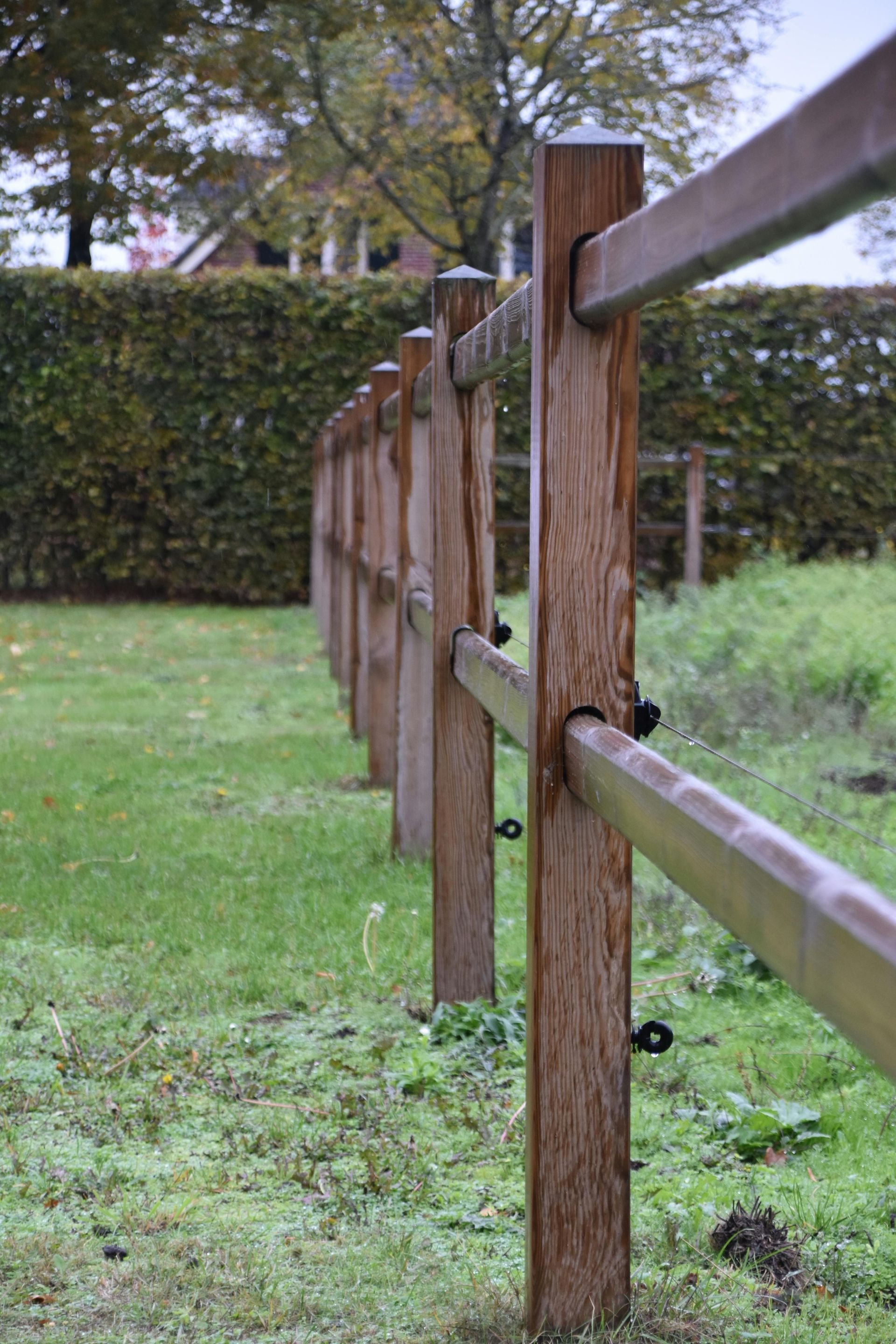
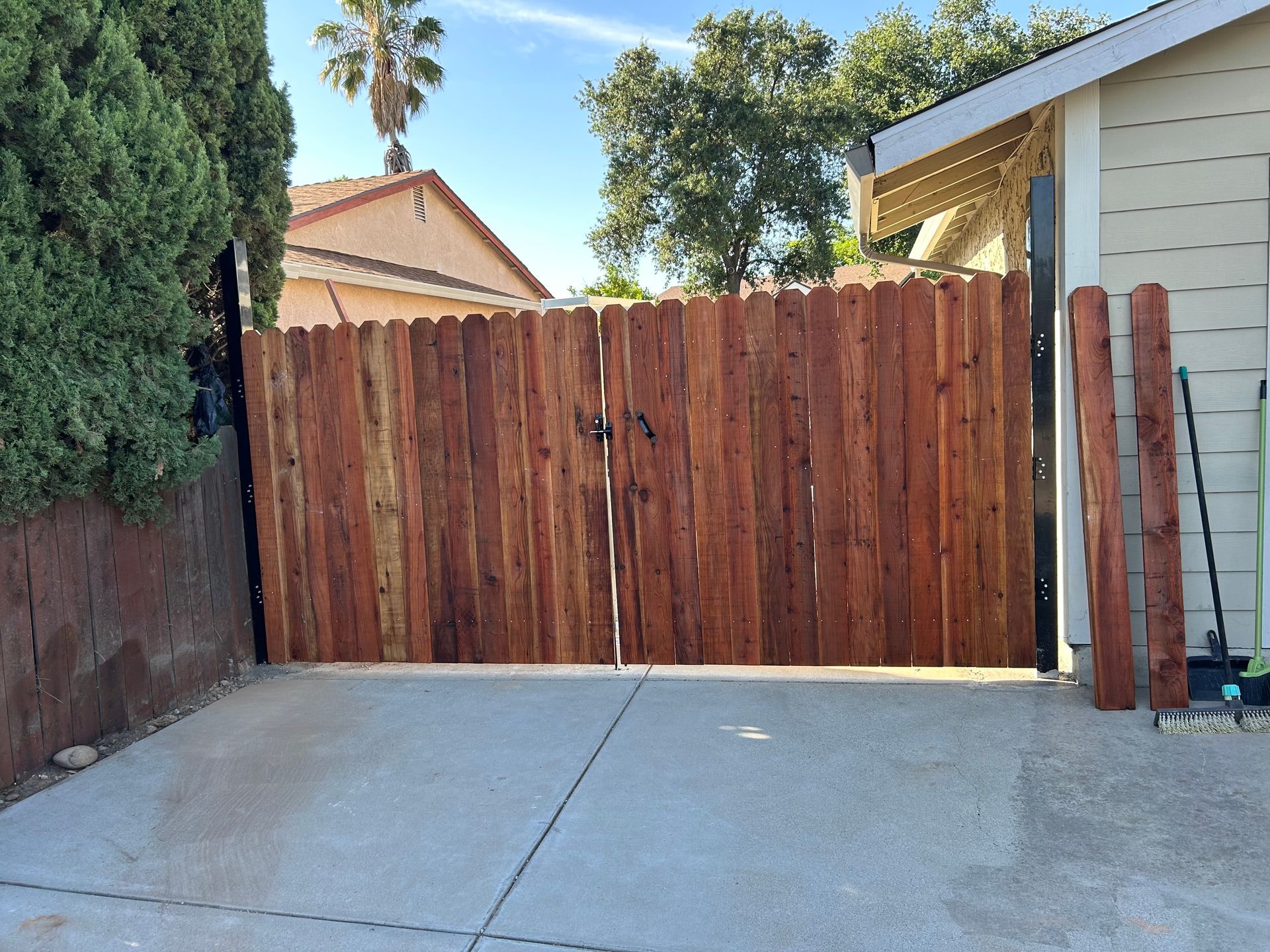
Redwood fencing is often chosen for premium residential and commercial applications where appearance, durability, and long-term performance are priorities. Redwood’s natural tannins act as preservatives, providing strong resistance to rot, insects, and moisture without the need for chemical treatment.

Compared to cedar, redwood boards are denser and less prone to surface damage, making them ideal for privacy fences, tall fencing, and high-end architectural designs. Redwood also accepts stains and finishes exceptionally well, allowing property owners to preserve color or control weathering over time.

With proper installation and a consistent maintenance cycle, redwood fencing commonly lasts 25–30 years or more, even in challenging climates.


Why redwood works well for fencing:

  • Exceptional resistance to decay and insects
  • Greater board density and strength than most softwoods
  • Long-lasting color and finish retention

Sheds and Outdoor Structures

Redwood is also a strong candidate for sheds, pergolas, gazebos, and outdoor architectural structures. Its natural strength allows it to be used not only for cladding and trim but also for exposed framing elements that require structural reliability.


Redwood performs especially well in hot, dry climates where other woods may shrink, warp, or crack. However, like all natural woods, redwood benefits from protective finishes that slow UV exposure and moisture loss, helping preserve both color and surface integrity.


Best for homeowners who want:

  • A premium, high-end wood appearance
  • Structural reliability for exposed outdoor framing
  • Long service life with minimal degradation

Costs Associated with Redwood for Fencing and Home Improvement

Redwood is considered a premium material and typically carries a higher upfront cost than cedar or pressure-treated pine. However, its durability and long service life often result in lower total ownership costs over time due to fewer repairs and replacements.

Labor Costs

Labor costs for redwood installations are generally slightly higher than for cedar due to the wood’s density and weight. That said, redwood machines cleanly, fastens well, and allows for precise craftsmanship, which supports custom designs and detailed finishes.


Projects involving taller fences, custom gates, or architectural features may see increased labor costs, but standard redwood fence installations remain efficient when handled by experienced installers.

Material Aging and Value Retention

Redwood ages exceptionally well compared to most exterior woods. Even when left unfinished, it weathers evenly without rapid structural degradation. When maintained with periodic staining or sealing, redwood retains both strength and appearance for decades. Because of its longevity and premium perception, redwood installations tend to preserve or enhance property value rather than depreciate quickly due to material failure.

Final Thoughts

Redwood is one of the most durable and dependable woods available for outdoor construction. Its natural resistance to rot, insects, and environmental stress makes it a long-term solution rather than a short-term material choice. For fencing, sheds, and outdoor structures where strength, stability, and visual appeal are critical, redwood remains a top-tier option. While the initial investment is higher, its performance and lifespan consistently justify the cost over time.

Share this article

Recent Posts

best gravel for fence posts, gravel under wood fence posts, fence post gravel drainage
By Lukas Wilmore February 8, 2026
Learn which gravel works best under wood fence posts, how much to use, and what to avoid for long-lasting fence stability and drainage.
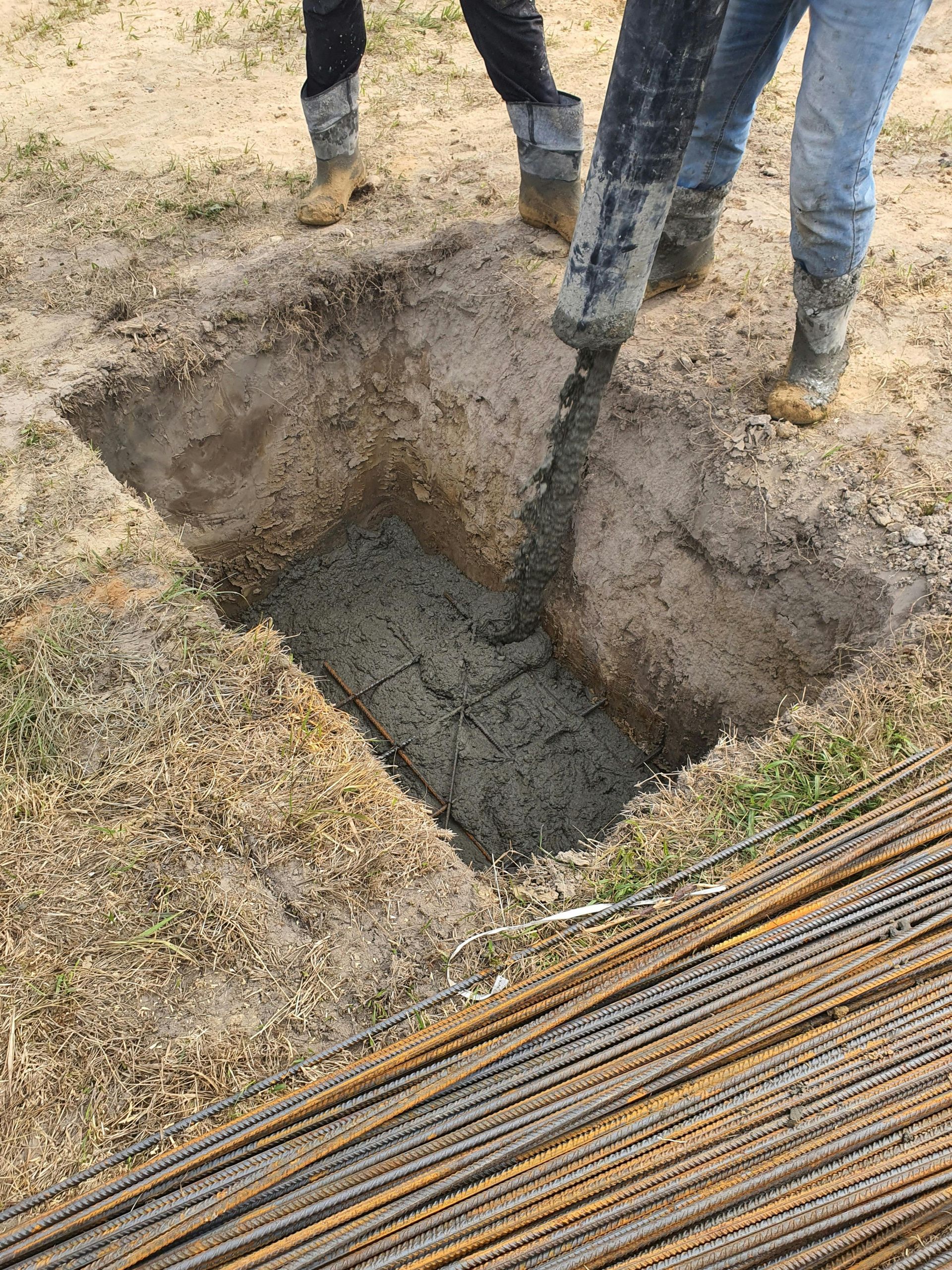
concrete fence posts Sacramento,gravel vs concrete fence posts,wood fence installation guide
By Lukas Wilmore February 4, 2026
Unsure if wood fence posts need concrete? Our Sacramento-area guide explains when to use concrete versus gravel or foam based on soil type and fence height.
digging depth for fence posts
By Lukas Wilmore January 27, 2026
Learn how deep to set fence posts across Sacramento’s diverse soils and neighborhoods. Get expert tips on proper depth, tools, and materials for strong fences.
cedar wood durability,cedar fencing strength,cedar outdoor use
By Lukas Wilmore January 16, 2026
Learn how strong and durable cedar wood is for fencing, sheds, and outdoor projects, including weather resistance, maintenance needs, and long-term performance.
fence maintenance scams,hoa fence maintenance,wood fence maintenance scams
By Lukas Wilmore January 14, 2026
Learn the top fence maintenance scams affecting homeowners and HOAs nationwide. Protect your fence investment by knowing what to watch for before signing.
commercial iron fencing scams,iron fence contractor fraud,commercial fencing mistakes
By Lukas Wilmore January 13, 2026
Learn the most common commercial iron fencing scams and how property owners can protect themselves before hiring a fencing contractor.
wood fencing scams,fence contractor scams,avoid fencing fraud
By Lukas Wilmore January 12, 2026
Learn how common wood fencing scams work and how homeowners can protect themselves before hiring a fence contractor.
history of iron fencing,metal fence materials,wrought iron vs ornamental iron
By Lukas Wilmore January 12, 2026
Learn the history of iron and metal fencing, from wrought iron to modern steel. Explore materials, styles, installation time, and long-term durability.
sacramento wood fence,wood fence stains sacramento,redwood vs cedar fencing
By Lukas Wilmore January 12, 2026
Compare wood fence materials and stains for Sacramento homes. Learn real costs, lifespan, and what performs best in local heat and sun.
chain link fencing for businesses sacramento,commercial chain link fence sacramento,sacramento cha
By Lukas Wilmore January 9, 2026
Learn which Sacramento businesses rely on chain link fencing for security, safety, and compliance—from construction sites to warehouses and schools.
Show More