

Common Commercial Iron Fencing Scams and how to avoid them
January 13, 2026
Commercial iron fencing is often installed to protect people, property, and assets. Because these projects involve higher costs, specialized materials, and regulatory oversight, they are a frequent target for contractor scams. Many of these scams are subtle and do not become obvious until months after installation—when repairs, compliance issues, or security failures begin to surface. This guide explains the most common commercial iron fencing scams, how they typically occur, and what property owners and managers can do to protect their investment before signing a contract.
Why Commercial Iron Fencing Is a High-Risk Category
Iron fencing projects are more complex than residential fencing. They often involve custom fabrication, specific height and spacing requirements, security considerations, and compliance with local codes or organizational standards. Scammers exploit this complexity by assuming clients will focus on appearance and price rather than construction details. In commercial settings, poor fencing work does more than look bad. It can create safety hazards, liability exposure, and long-term maintenance costs that far exceed the original installation price.
The “Security-Grade” Misrepresentation Scam

One common tactic is to describe an iron fence as “security-grade” without defining what that actually means. The fence may look substantial at first glance, but it lacks the material thickness, weld quality, or anchoring required for real perimeter protection.
Without clear specifications, contractors can install lighter-gauge steel, weaker posts, or decorative components that are inappropriate for commercial use. These fences often fail under pressure, bending or breaking instead of deterring intrusion.
Property owners should require written documentation that specifies material thickness, post dimensions, and installation method—especially when security is a stated purpose.
Incomplete or Oversimplified Contracts
Some commercial fencing contracts list only total linear footage and height, leaving out critical construction details. This creates room for shortcuts that may not be obvious during a walkthrough but become problematic later. Important elements such as footing depth, weld type, coating system, and mounting method should be clearly documented. When contracts lack these details, enforcement becomes difficult if the fence does not perform as expected.
Galvanizing and Coating Shortcuts
Iron fencing relies heavily on protective coatings to resist corrosion. A common scam involves advertising powder-coated or galvanized fencing without clarifying the process or quality level used. In lower-quality installations, surface coatings may be applied over untreated metal or without proper preparation. This leads to premature rusting, peeling, and structural weakening—often within a few years. Property owners should ask how corrosion protection is handled and whether coating is applied after fabrication, not before.
Posts and Footings That Don’t Meet Load Requirements
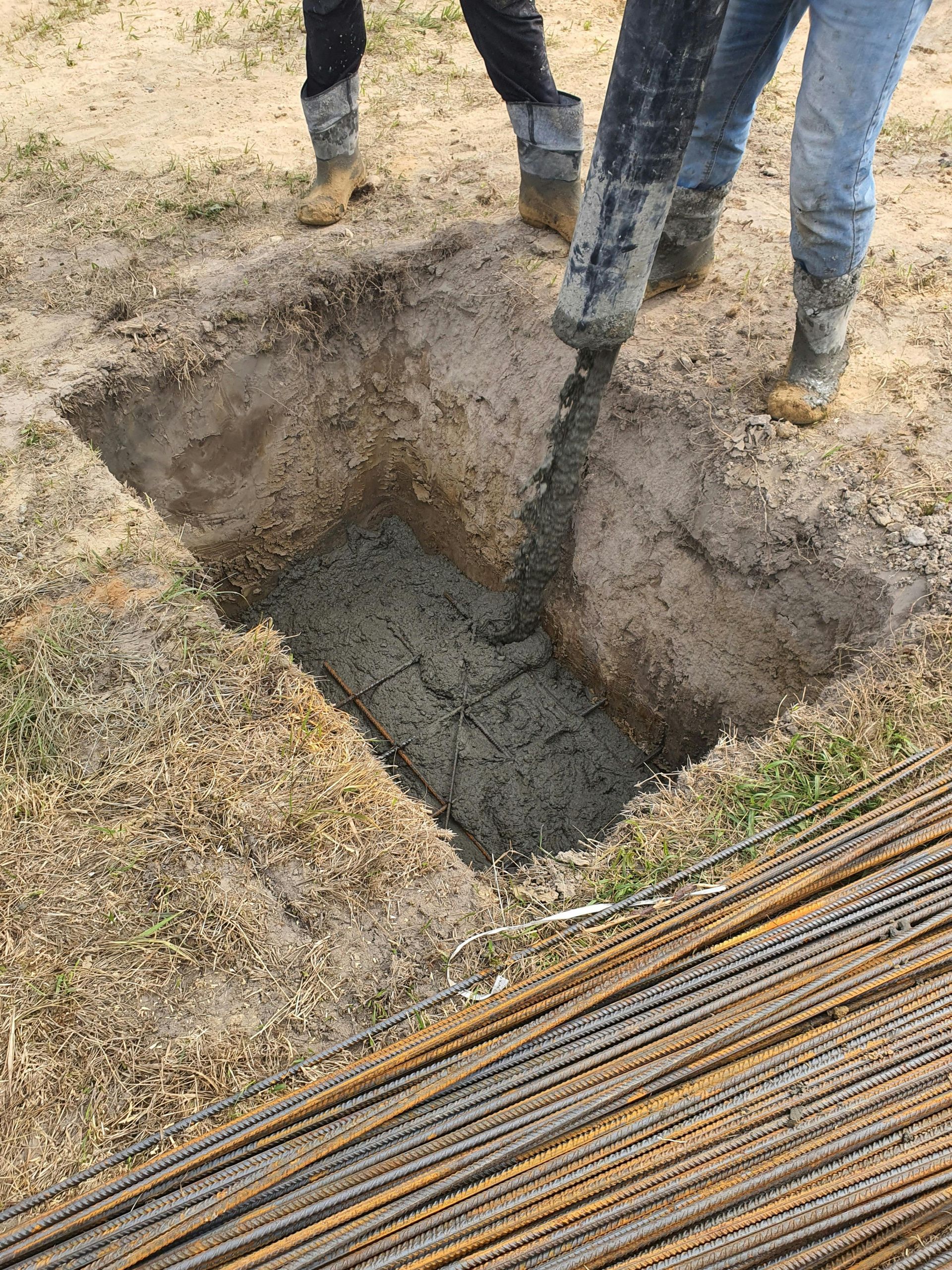
Iron fencing is heavier than most residential fencing systems, and its posts must be anchored accordingly. Some contractors install posts using shallow footings designed for lighter fences, significantly reducing structural integrity. This shortcut can cause fences to lean, shift, or fail under wind load or impact. In commercial environments, such failures increase liability and repair costs. Asking how post depth and footing size are calculated—and whether they account for fence height and exposure—is a critical step in avoiding this issue.
Unlicensed or Uninsured Crews on Commercial Sites
Commercial properties often require higher insurance coverage and licensed contractors due to safety and liability concerns. Scammers may present themselves as qualified while using uninsured or improperly classified labor. If an injury or property damage occurs, responsibility may fall back on the property owner or management company. Verifying licensing, insurance certificates, and scope of coverage is essential before work begins.
Unauthorized Subcontracting
Some fencing companies outsource work without disclosure, sending crews with little experience in commercial iron systems. This often leads to inconsistent quality and lack of accountability. Property owners should know whether subcontractors are involved and who is responsible for supervision, inspection, and warranty obligations.
Permitting and Code Compliance Avoidance
In commercial settings, fencing often must meet zoning, accessibility, or security requirements. Contractors who dismiss permits or compliance steps may be attempting to avoid scrutiny. Noncompliant fencing can result in failed inspections, required removal, or conflicts with insurers or regulatory bodies. Responsibility for correcting these issues typically falls on the property owner—not the contractor who cut corners.
Front-Loaded Payment Requests
Another common warning sign is pressure to pay most or all of the project cost before materials arrive or fabrication begins. Once funds are transferred, progress may slow, quality may drop, or communication may stop altogether. Legitimate commercial fencing projects usually follow milestone-based payment schedules tied to fabrication, delivery, and installation progress.
No Written Warranty for Workmanship or Materials
Iron fencing failures often take time to appear. When no written warranty exists, property owners are left without recourse if welds crack, coatings fail, or posts loosen. A reputable contractor provides written warranty terms that clearly define coverage and responsibility.
How Commercial Property Owners Can Protect Themselves
Avoiding commercial iron fencing scams requires diligence and documentation. Property owners and managers should take time to review specifications, verify credentials, and ensure all expectations are clearly defined before work begins. Contractors who are transparent about materials, methods, and compliance are far less likely to cut corners.
Final Thoughts
Commercial iron fencing is a long-term investment in security and risk management. When installed correctly, it provides decades of service. When installed improperly, it creates ongoing liability and expense. Understanding common scam tactics allows property owners to make informed decisions and protect their facilities from costly mistakes.