



Zone 0 Fencing Materials Guide for CA Homeowners and Businesses

QUICK ANSWER:

California homeowners are hearing more about Zone 0, the first five feet surrounding a home or other occupied structure. But for homeowners who already have fencing, gates, landscaping, decks, and side-yard access within that space, one question matters quickly: what materials can actually stay within those first five feet?

For fencing, this is especially important because a fence can become a direct fuel path to the house. A fire that starts farther away can ignite combustible fencing and carry flames toward siding, windows, eaves, vents, or gates attached to the structure.


California’s developing Zone 0 standards are designed to interrupt that pathway. As of October 2026, the California Board of Forestry and Fire Protection has approved the state’s Zone 0 policy, while the final regulation package is still completing the administrative rulemaking process. The current rule text sets the direction homeowners and contractors should plan around now.
https://bof.fire.ca.gov/projects-and-programs/defensible-space-zones-0-1-and-2


Quick Summary of Zone 0, just in case this is your first time hearing about it...


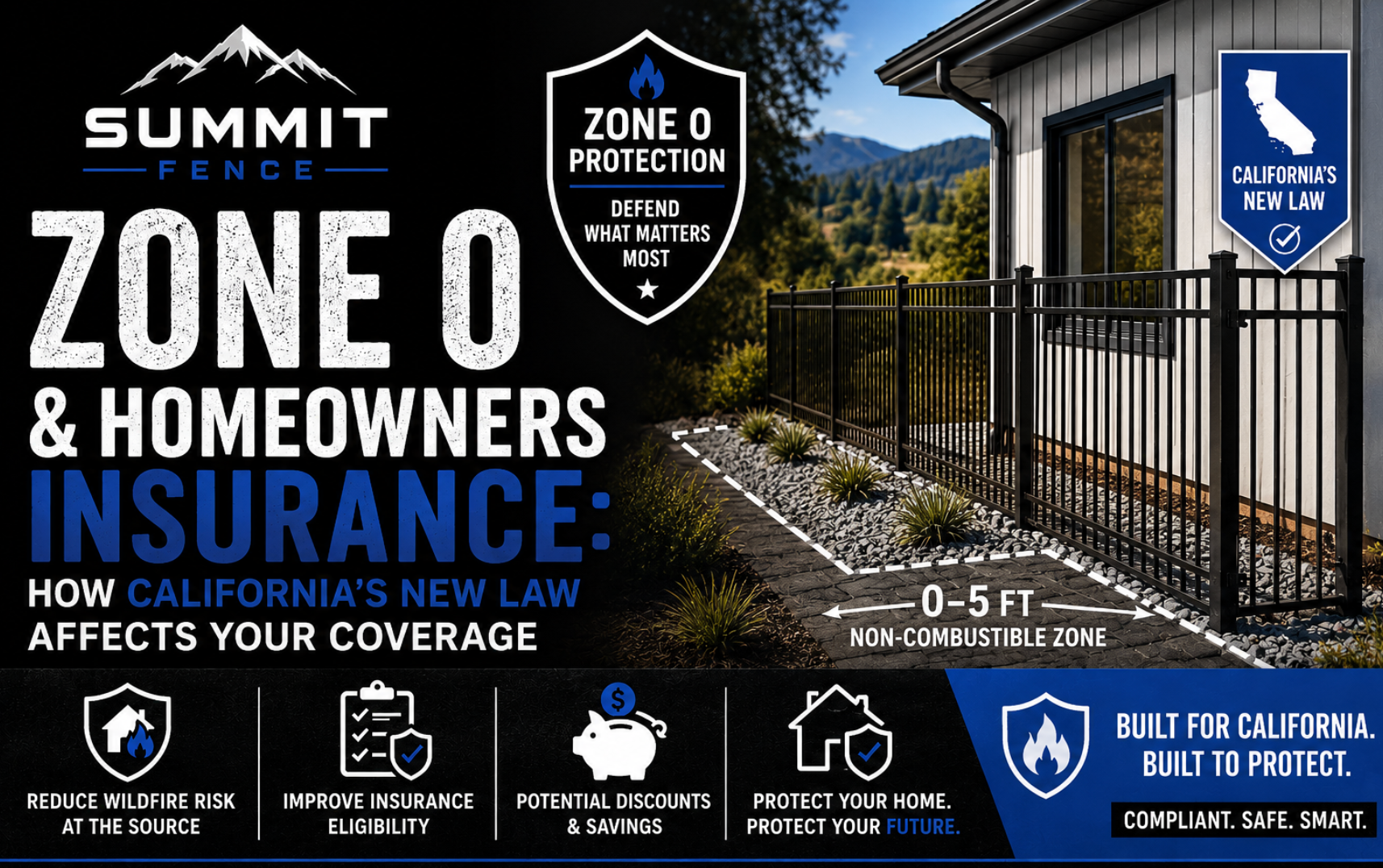
Zone 0 is generally defined as the area extending five feet outward from an occupied structure, including areas around exterior walls and certain attached decks, stairs, and pergolas. The objective is not simply to create an empty strip around the house. It is to prevent embers or nearby flames from finding combustible material that can ignite and transfer fire to the structure.

CAL FIRE describes the first five feet around a building as the most important area for preventing ember-driven ignition. For fencing, the critical issue is straightforward: a combustible fence should not create a continuous pathway directly to the home.
https://www.fire.ca.gov/dspace/

Metal Fencing Is One of the Strongest Zone 0 Options

For most homeowners, metal will be one of the most practical fencing materials when a fence enters the five-foot area surrounding the home. Common options include steel fencing, ornamental iron or steel, aluminum fencing, steel-framed gates, certain metal privacy fencing systems, and chain-link fencing without combustible privacy components.


These materials let homeowners maintain security, privacy, pet containment, and side-yard access without running combustible wood fencing directly into the structure. This doesn't necessarily mean the entire backyard fence needs to be metal.


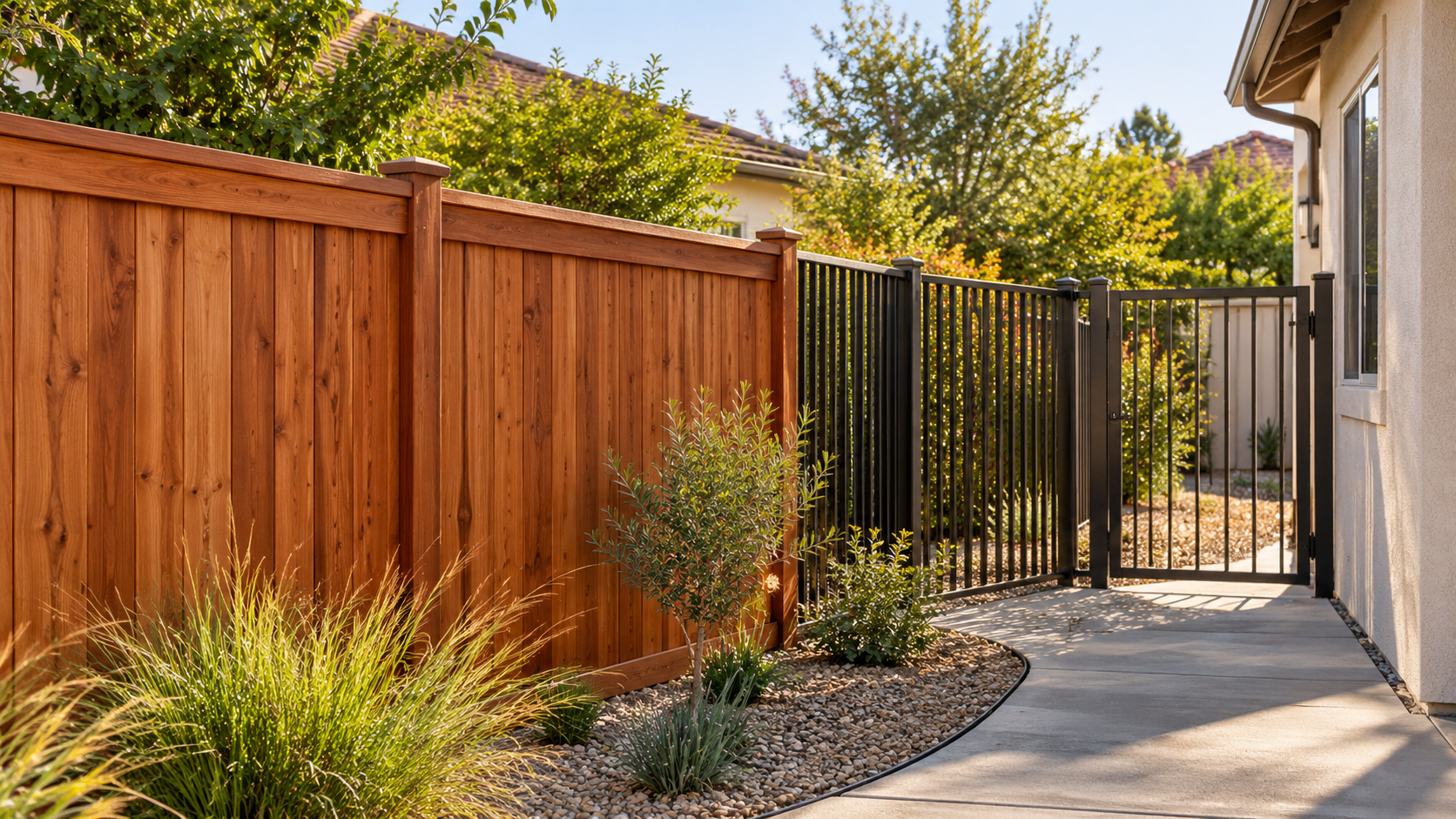
In many homes, a material transition may be the more practical solution. A wood fence can remain through most of the yard and transition into metal for the final section before reaching the house. This lets homeowners keep the look and cost of wood fencing while addressing the area closest to the structure.

What About Wood Fencing?

Wood remains one of the most popular fencing materials in Sacramento, and Zone 0 does not mean homeowners need to abandon wood fencing throughout their property. The concern is primarily where combustible fencing approaches or connects to the home.


Under the current California rule language, combustible fences and gates may not be attached directly to an occupied structure. Fences or gates attached to, or coming within one foot of, the structure would need a five-foot noncombustible span from the closest point. New combustible fencing would also not be permitted within the five-foot Zone 0 area after the regulation becomes effective.


https://34c031f8-c9fd-4018-8c5a-4159cdff6b0d-cdn-endpoint.azureedge.net/-/media/bof-website/regulations/proposed-rule-packages/zone-0-defensible-space/zone-0-rule-plead.pdf


An important nuance applies to existing fences. The current rule text allows repairs to an existing combustible fence using combustible replacement materials. This is why homeowners should avoid assuming California requires every existing wood fence to be removed immediately.


The right solution depends on the fence's location, when it was installed, whether it connects to the structure, the property’s fire-hazard designation, and the final implementation requirements adopted by the applicable jurisdiction.

zone 0 materials

What About Vinyl Fencing?

Vinyl fencing creates a different issue. Vinyl does not behave exactly like wood during a wildfire, but that does not automatically make it noncombustible under California’s Zone 0 standard.


Unless a specific fencing product has documentation showing that it satisfies the applicable noncombustibility requirements, homeowners should not assume traditional vinyl fencing qualifies for the five-foot transition area. The same principle applies to many composite fencing products.


In other words, “not wood” does not automatically mean “Zone 0 compliant.” Product testing and specifications should determine the answer.

What about Chain-Link Fencing?

Traditional galvanized or coated steel chain-link can be an effective option because the primary fencing components are metal. However, homeowners should pay attention to the accessories added to the fence.

A metal chain-link fence with vinyl privacy slats, bamboo rolls, wood screening, or other combustible materials can reintroduce fuel into the system. For Zone 0 applications, the entire fence assembly matters, not just the posts and wire.

Gates Are Often the Part Homeowners Miss

zone 0 gate materials

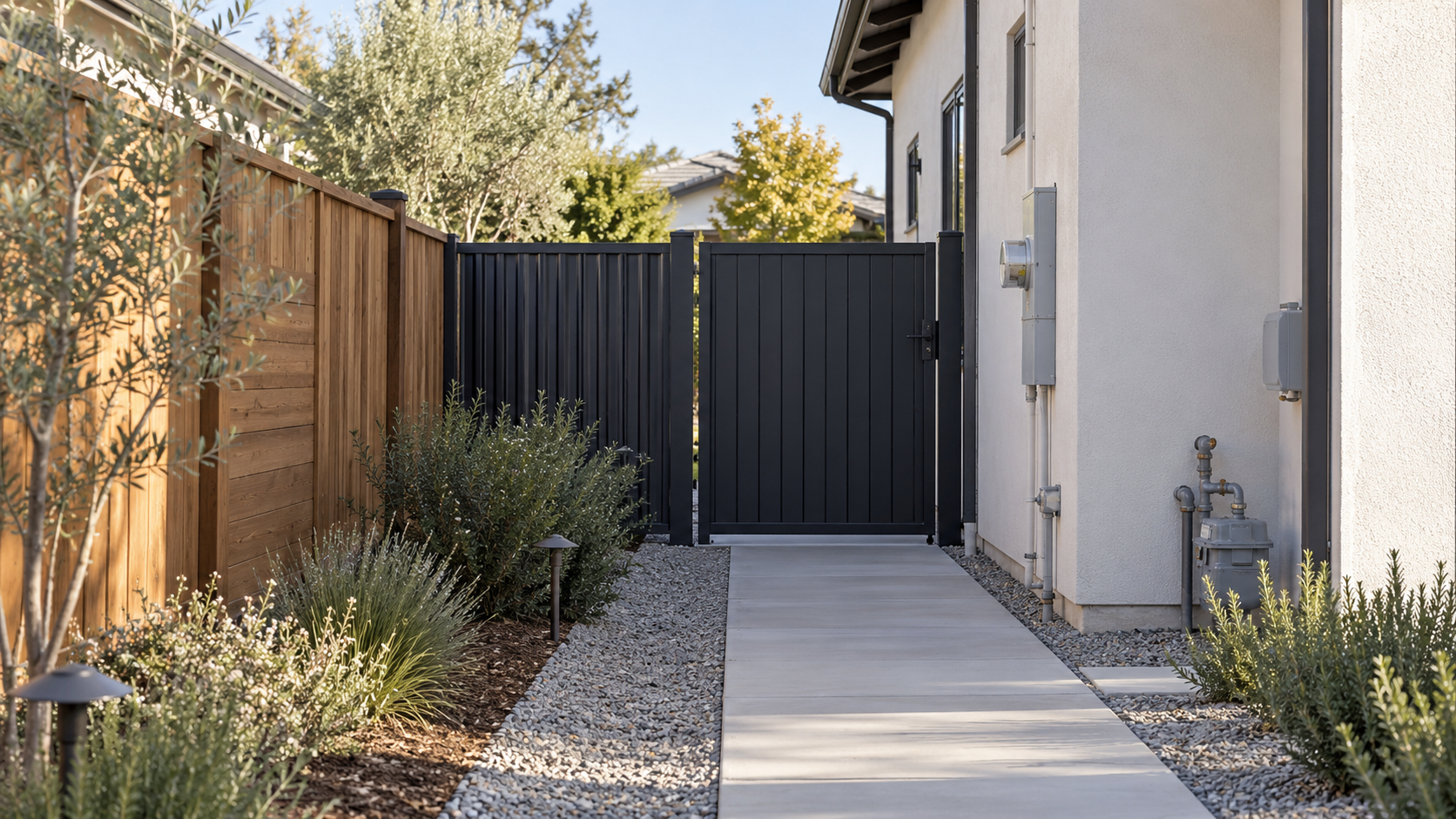
Side-yard gates frequently sit exactly where Zone 0 matters most. A typical Sacramento home may have a wood privacy fence running along the property line, a wood-framed gate between the fence and house, and that gate attached directly or indirectly to the structure.


That configuration can create a combustible pathway immediately beside the home. Replacing the final section with a properly designed metal gate and transition panel may reduce that vulnerability without replacing hundreds of feet of otherwise functional fencing.


California’s current rule language specifically addresses both fences and gates, so homeowners should evaluate the gate as part of the entire fencing system rather than as a separate issue.


https://34c031f8-c9fd-4018-8c5a-4159cdff6b0d-cdn-endpoint.azureedge.net/-/media/bof-website/regulations/proposed-rule-packages/zone-0-defensible-space/zone-0-rule-plead.pdf

What About Wood-Look Metal Fencing?

Wood-look metal fencing is likely to become an increasingly important option for California homeowners. Traditional ornamental metal works well for fire resistance, but some homeowners don't want an open iron-fence look next to an otherwise private backyard.


Modern metal fencing products can recreate much of the look of wood while using metal panels, framing, or finishes. That can give homeowners the privacy and appearance they want without continuing a combustible wood fence all the way to the house.


Not every product marketed as “fire-resistant” or “wood-look metal” should automatically be treated as compliant. The specific assembly and product documentation still need evaluation. From a design standpoint, however, homeowners now have considerably more options than a traditional black iron fence.

Do You Need to Replace Your Entire Fence?

In many cases, probably not. Consider a homeowner with 150 feet of premium redwood fencing around a backyard but only one section that terminates against the house. Replacing the entire fence with metal could be unnecessary and expensive. A more targeted approach may be to keep the existing wood fence and install a five-foot noncombustible transition and metal gate before the fence reaches the home.


California’s current framework focuses on preventing combustible fencing from carrying fire directly into the structure. State fire-hardening guidance similarly recommends replacing the portion of combustible fencing within the immediate noncombustible area with a noncombustible alternative.


https://osfm.fire.ca.gov/-/media/16859e10258e49999001351ee20edfcc.ashx

Zone 0 Is About Breaking the Fire Path

The easiest way to understand Zone 0 fencing is not to think of it as a ban on wood fencing. It is better understood as a strategy for breaking fire pathways.


If an ember lands on something combustible 50 feet from the home, several things must happen before that fire reaches the structure. If an ember ignites combustible material touching the home, there is almost no separation between the ignition and the building.


A wood fence that terminates directly against a home can become that connection. Creating a noncombustible break interrupts the pathway. The same principle explains why Zone 0 also addresses mulch, debris, vegetation, firewood, combustible storage, and other materials immediately surrounding structures.


https://34c031f8-c9fd-4018-8c5a-4159cdff6b0d-cdn-endpoint.azureedge.net/-/media/bof-website/regulations/proposed-rule-packages/zone-0-defensible-space/zone-0-rule-plead.pdf

What Should Sacramento Homeowners Do Now?

Homeowners don't need to panic and start tearing fences down. A better first step is to inspect the first five feet surrounding the house and identify where fencing, gates, or combustible materials come closest to the structure.


Pay particular attention to wood fences terminating at the house, wood side gates attached to the structure, combustible fence sections running parallel within five feet, vinyl or composite materials assumed to be fire-safe, combustible privacy slats on metal fencing, debris collecting along fence lines, and fencing located near windows, vents, decks, or eaves.


From there, determine whether a small transition section, replacement gate, or larger fencing retrofit makes the most sense. Because California’s final Zone 0 regulatory package is still completing administrative review, homeowners should also verify the regulations and local requirements that apply to their property before beginning a compliance-driven project.


https://bof.fire.ca.gov/regulations-and-policies/proposed-rule-packages

Summit Fence Can Help Evaluate the Fence, Not Just Sell a New One

Zone 0 does not automatically mean replacing every wood fence on a property. The better question is where combustible fencing creates a direct pathway to the home and the most practical way to interrupt it.

Summit Fence can evaluate existing wood fencing, gates, metal transition options, and full replacement systems for homeowners throughout the Sacramento region. The goal should be a fencing solution that improves wildfire resilience while still providing the privacy, security, appearance, and functionality homeowners expect.

Need help understanding Zone 0 requirements?

Zone 0 rules can be confusing, especially when you are trying to determine whether an existing wood fence, gate, or other material near your home needs to be changed. The right solution depends on how the fence connects to the structure, what materials you use, and how California requirements apply to your property.


Summit Fence can help evaluate your current fencing and explain practical options, including metal transition sections, replacement gates, and full fence upgrades when needed. The goal is not to replace more than necessary, but to create a safer, functional solution that fits your home and property.

Additional and Helpful Articles about Zone 0

zone 0 insurance california, wildfire insurance california, zone 0 compliance sacramento
By Lukas Wilmore • May 27, 2026
Learn how California Zone 0 laws may affect wildfire insurance, home inspections, policy renewals, discounts, and property compliance.
zone 0 landscaping mistakes sacramento, defensible space landscaping california, zone 0 compliance l
By Lukas Wilmore • March 20, 2026
Top Zone 0 landscaping mistakes in Sacramento and how to fix them to stay compliant and reduce fire risk.
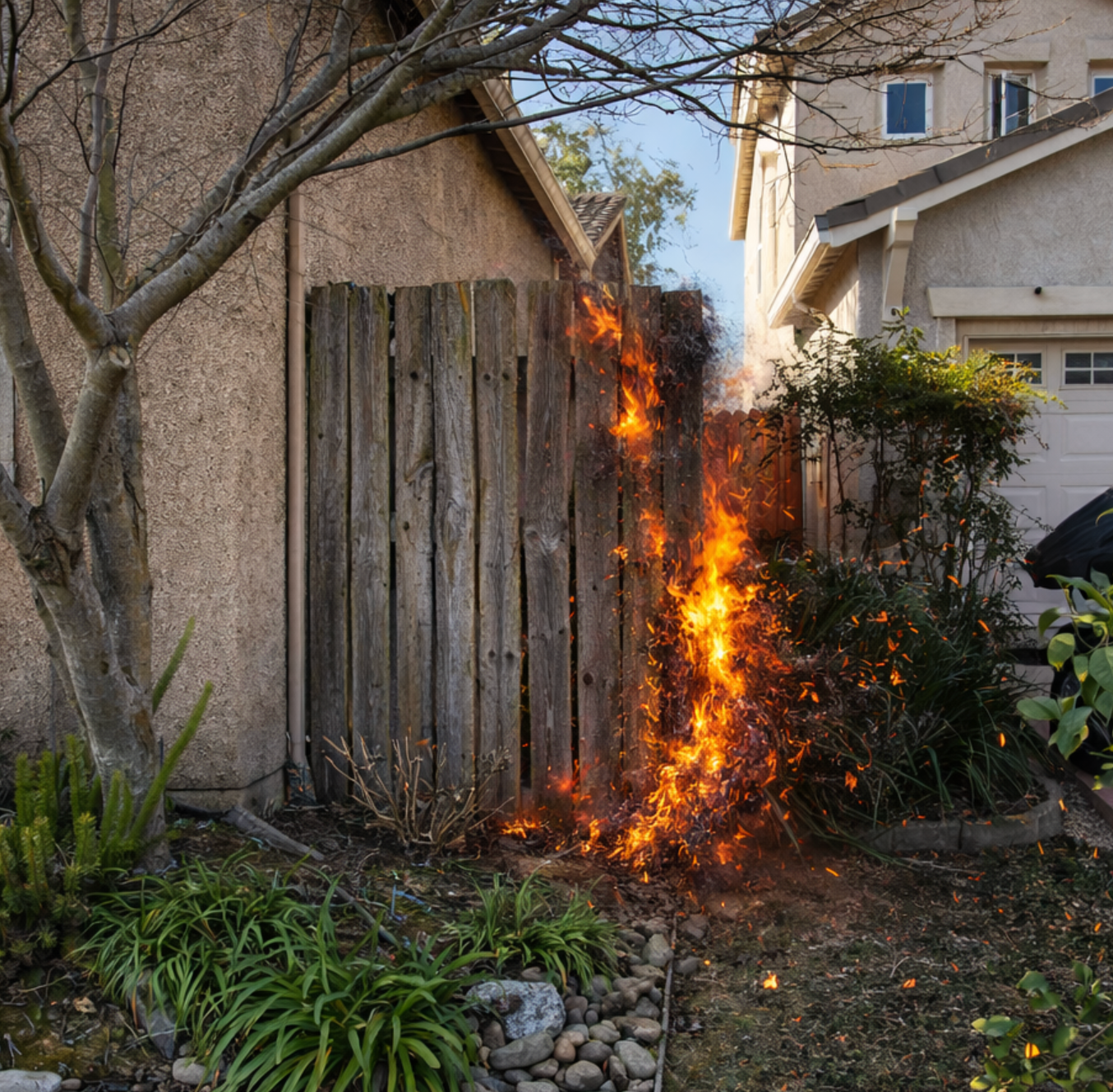
zone 0 retrofitting sacramento,zone 0 fencing cost california,wildfire retrofit mistakes
By Lukas Wilmore • March 20, 2026
Avoid costly Zone 0 retrofit mistakes in Sacramento. Learn pricing, risks, and how to stay compliant.

Share this article

Recent Posts

Sacramento fires,Zone 0 fencing Sacramento,Defensible space Sacramento
By Lukas Wilmore • August 12, 2026
Track major Sacramento-area fires and learn what they reveal about Zone 0, defensible space, fencing, vegetation and wildfire risks near homes.
Sacramento fence permit,fence height rules Sacramento,Sacramento fence installation requirements
By Lukas Wilmore • June 29, 2026
Learn when a fence permit is required in Sacramento, including height limits, zoning rules, corner lots, retaining walls, pools, and gates.
zone 0 insurance california, wildfire insurance california, zone 0 compliance sacramento
By Lukas Wilmore • May 27, 2026
Learn how California Zone 0 laws may affect wildfire insurance, home inspections, policy renewals, discounts, and property compliance.
zone 0 landscaping mistakes sacramento, defensible space landscaping california, zone 0 compliance l
By Lukas Wilmore • March 20, 2026
Top Zone 0 landscaping mistakes in Sacramento and how to fix them to stay compliant and reduce fire risk.
zone 0 retrofitting sacramento,zone 0 fencing cost california,wildfire retrofit mistakes
By Lukas Wilmore • March 20, 2026
Avoid costly Zone 0 retrofit mistakes in Sacramento. Learn pricing, risks, and how to stay compliant.
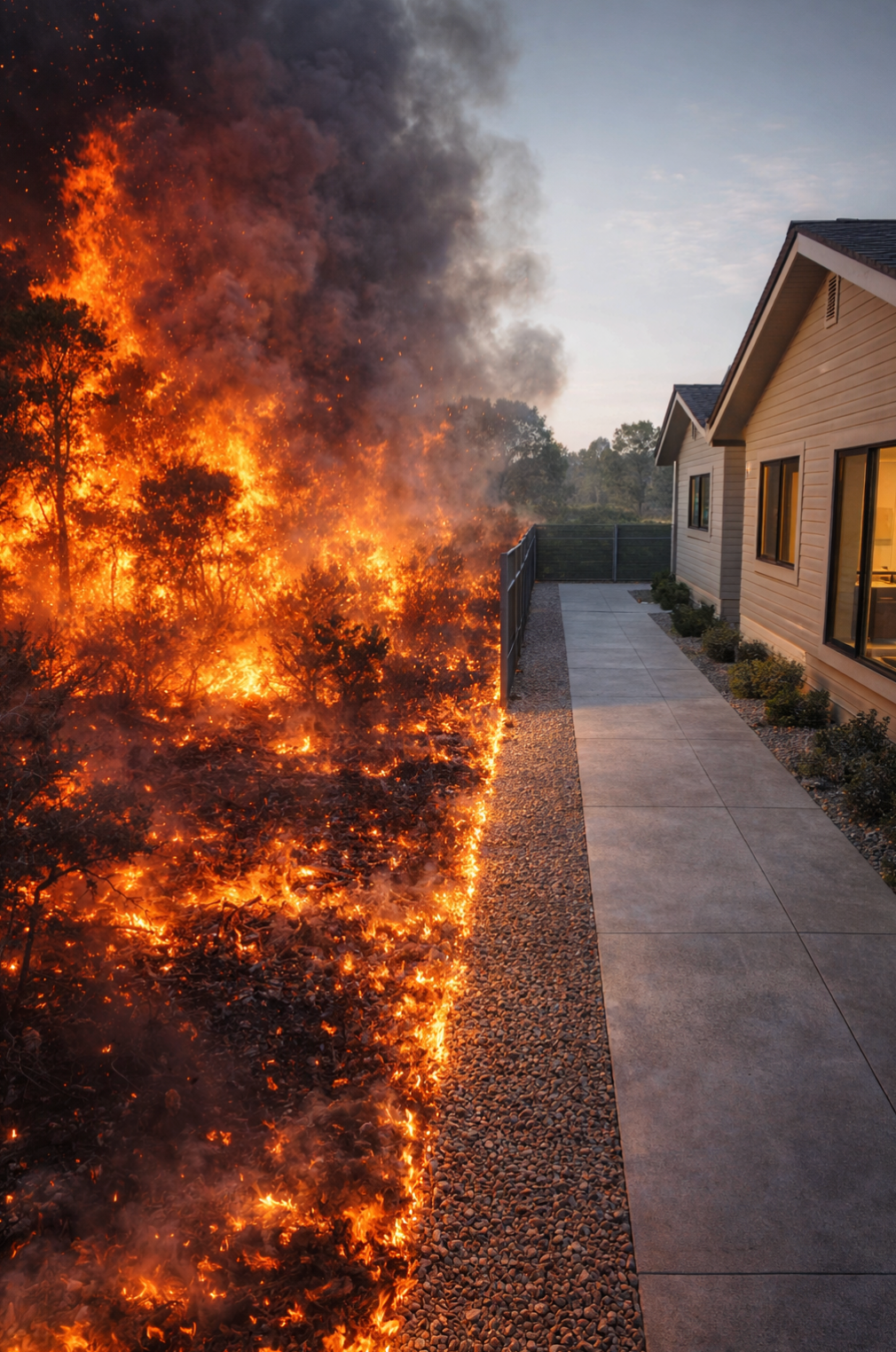
zone 0 fencing sacramento,california zone 0 law,fire resistant fencing sacramento
By Lukas Wilmore • March 20, 2026
Zone 0 fencing rules in Sacramento. Learn costs, compliance, and how to avoid overpaying or failing inspection.
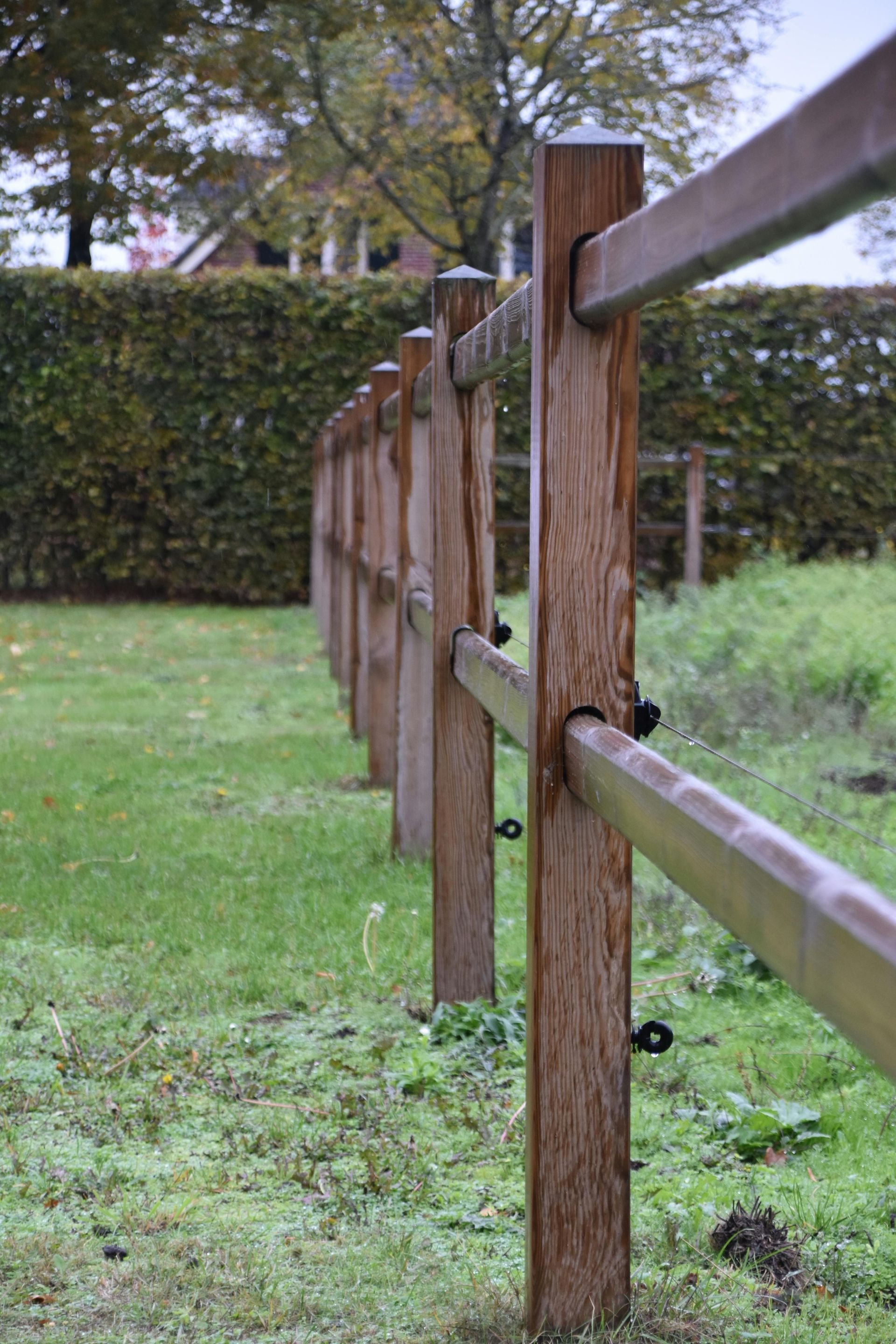
wood fence post spacing,how far apart should fence posts be, fence post spacing for privacy fence
By Lukas Wilmore • February 27, 2026
Learn how far apart wood fence posts should be based on soil, wood type, wind, and cost. Expert spacing guide for long-lasting fences.
best gravel for fence posts, gravel under wood fence posts, fence post gravel drainage
By Lukas Wilmore • February 8, 2026
Learn which gravel works best under wood fence posts, how much to use, and what to avoid for long-lasting fence stability and drainage.
concrete fence posts Sacramento,gravel vs concrete fence posts,wood fence installation guide
By Lukas Wilmore • February 4, 2026
Unsure if wood fence posts need concrete? Our Sacramento-area guide explains when to use concrete versus gravel or foam based on soil type and fence height.
digging depth for fence posts
By Lukas Wilmore • January 27, 2026
Learn how deep to set fence posts across Sacramento’s diverse soils and neighborhoods. Get expert tips on proper depth, tools, and materials for strong fences.
Show More