

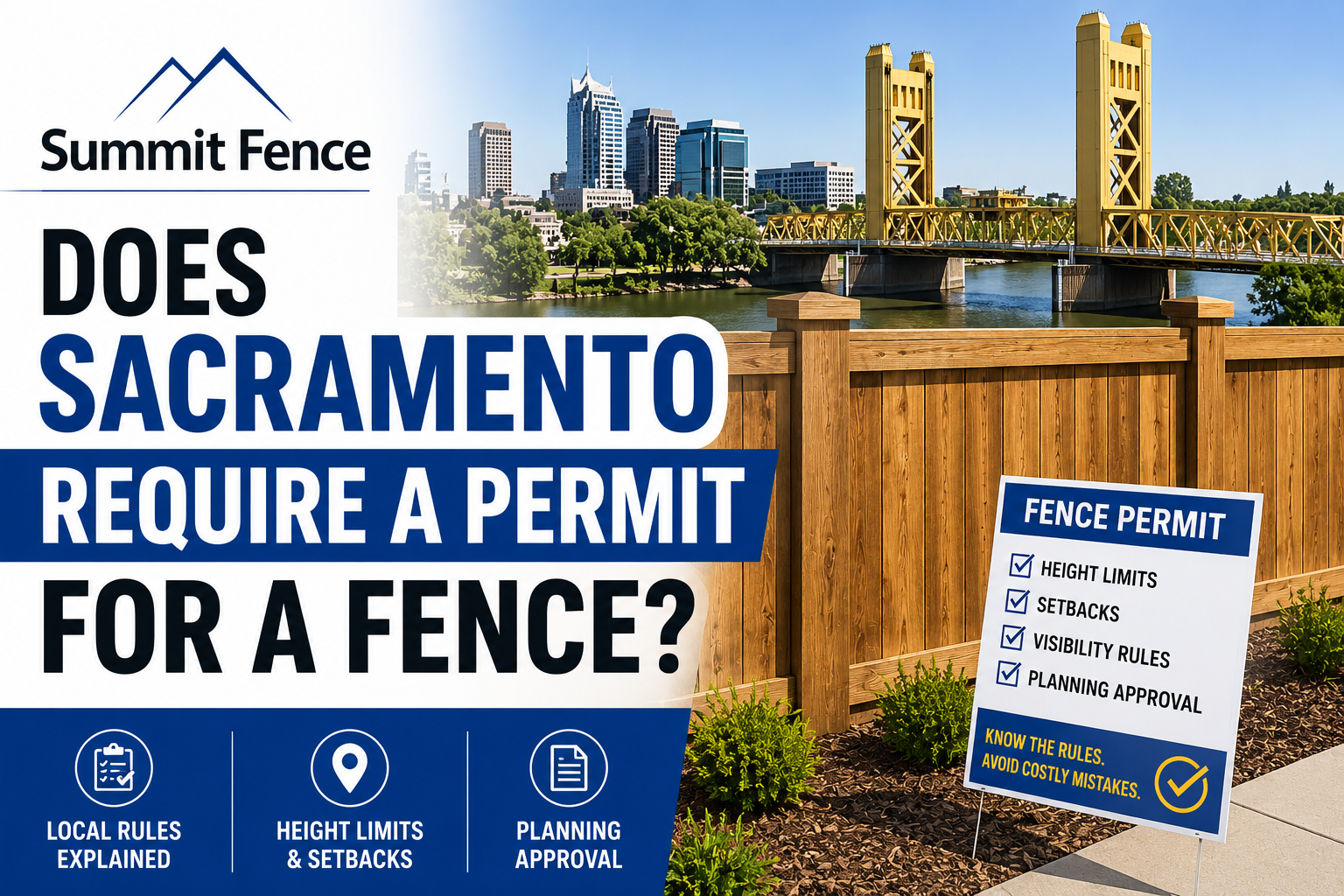
Does Sacramento Require a Permit for a Fence?

QUICK ANSWER:

Most fences in the City of Sacramento that are seven feet tall or shorter do not require a building permit. However, that does not mean homeowners can install any fence anywhere on the property without approval or restrictions. All proposed fences remain subject to Sacramento’s planning, zoning, height, location, visibility, and design requirements. Taller fences, retaining-wall combinations, masonry walls, pool barriers, electrified fencing, commercial projects, and fences in certain locations may require permits or additional review. The requirements also depend on whether the property is located within the City of Sacramento or an unincorporated area of Sacramento County.

The Basic Sacramento Fence-Permit Rule

do you need a permit for fencing in sacramento

For properties within the City of Sacramento:

  • Fences not exceeding seven feet generally do not require a building permit.
  • All proposed fencing remains subject to Planning Division approval.
  • Fences must comply with Sacramento City Code Chapter 17.620.
  • Taller or specialized fences may require building or planning approval.
  • Additional rules may apply based on the property’s zoning, street frontage, location, and neighborhood.


For properties in unincorporated Sacramento County:

  • Fencing exceeding seven feet generally requires a building permit.
  • Fences may also be subject to zoning height restrictions.
  • A Minor Use Permit or Special Development Permit may be required in certain situations.
  • Fence and retaining-wall combinations receive separate consideration.
  • Visibility requirements apply near driveways and street intersections.


Because the City and County maintain separate requirements, property owners should first determine which jurisdiction governs the property.

Building Permit Versus Planning Approval

A building permit and planning approval are not the same thing.


A building permit generally evaluates construction and structural safety. It may involve plans, fees, inspections, footing requirements, engineering, and confirmation that the proposed work complies with applicable building codes.


A planning or zoning review evaluates where the fence may be located and whether its height, design, and placement comply with local land-use regulations.


A fence can therefore be exempt from a building permit while still violating planning rules.

For example, a six-foot fence may not require a building permit, but it could still be prohibited or restricted if installed:

  • Too close to a street
  • Within a required visibility area
  • In a restricted front-yard location
  • Across a public right-of-way
  • On a corner lot where it blocks visibility
  • In conflict with an approved development plan
  • Within a historic or design-review district
  • At an improper height for its location

Homeowners should not interpret “no building permit required” as “no rules apply.”

How Tall Can a Fence Be in Sacramento?

Fence height depends on where the fence is located on the property.


The regulations may distinguish among:

  • Front yards
  • Interior side yards
  • Rear yards
  • Side-street yards
  • Corner lots
  • Driveway visibility areas
  • Street intersections
  • Commercial properties
  • Agricultural or rural properties


Rear- and interior-yard fences are often allowed to be taller than fences installed near the front of a home or close to a public street.


The allowed height may also differ between solid fencing and open fencing. A solid wood privacy fence can obstruct visibility more than ornamental metal or open-wire fencing, so the applicable standards may differ.


Before selecting a fence height, confirm:

  1. Which part of the property is legally considered the front yard
  2. Whether the property is on a corner
  3. The distance between the fence and the public right-of-way
  4. Whether the fence is solid, semi-open, or open
  5. Whether a retaining wall affects the total measured height
  6. Whether an approved subdivision or development plan contains separate restrictions

Do Front-Yard Fences Require Approval?

Front-yard fencing is usually more restricted than fencing installed along rear or interior property lines.


The concern is not only appearance. Front-yard fencing can affect:

  • Driver visibility
  • Pedestrian visibility
  • Emergency access
  • Neighborhood design
  • Sight lines at driveways
  • Sight lines at street intersections
  • Access to utility infrastructure


A shorter decorative fence, an open metal fence, or another visibility-preserving design may be more appropriate than a tall, solid privacy fence in a front-yard area.


Do not assume that a neighbor’s existing fence establishes what is currently allowed. The neighboring fence may have been constructed under older rules, approved through a separate process, installed with a variance, or built without required approval.

What Are Visibility-Triangle Requirements?

Fence placement near a driveway or street intersection may be restricted to protect visibility. A visibility triangle is an area that must remain sufficiently clear so drivers, cyclists, and pedestrians can see approaching traffic.

These requirements are especially important for:

  • Corner lots
  • Driveway entrances
  • Alley exits
  • Properties near sidewalks
  • Fences close to public streets
  • Dense landscaping installed next to fences


A fence may comply with the general height limit but still violate visibility requirements because of its exact placement. Open fencing may sometimes provide greater visibility than a solid wood or vinyl fence, but the design must still comply with applicable standards.

Does a Fence on Top of a Retaining Wall Require a Permit?

Possibly.


Fence height and retaining-wall height are not always evaluated separately. Local authorities may consider the combined height or require permits based on the wall’s construction.


For example, a six-foot fence installed on top of a three-foot retaining wall can create a nine-foot overall barrier when viewed from the lower side.


Permit or planning requirements may depend on:

  • Fence height
  • Retaining-wall height
  • Combined height
  • Whether the wall supports a surcharge
  • The slope and grade difference
  • Distance from the property line
  • Wall material
  • Engineering requirements
  • Whether the structure is near a street or driveway


Sacramento County specifically regulates fence and retaining-wall combinations. Combinations exceeding established limits may require additional planning approval. Never place a heavy fence on an existing retaining wall until the wall’s structural suitability has been evaluated.

Do Masonry Walls Follow the Same Rules as Fences?

Not necessarily. Sacramento County distinguishes masonry walls from ordinary fences. A block, concrete, stone, masonry, or stucco wall may require a building permit at a lower height than wood, vinyl, wrought iron, or chain-link fencing. Masonry walls can create greater structural and safety concerns because of their weight, footings, wind exposure, and potential failure hazards. A homeowner planning a block or masonry wall should confirm requirements before construction, even when the proposed wall is significantly shorter than seven feet.

Do Automatic Gates Require Additional Permits?

Automatic driveway gates may require additional review because they involve electrical work, motorized equipment, vehicle access, and entrapment protection.


Potential requirements may involve:

  • Electrical permits
  • Gate-operator safety standards
  • Emergency-access systems
  • Fire department access
  • Vehicle stacking distance
  • Property setbacks
  • Public-right-of-way clearance
  • Knox access or emergency controls
  • Commercial accessibility requirements


An automatic gate should not swing into a public sidewalk, roadway, or neighboring property.

The gate system should also include appropriate safety devices based on the operator type and intended use.

Are Electrified Fences Allowed in Sacramento?

Electrified fencing is treated differently from conventional residential fencing. The City of Sacramento requires specific planning review for electrified fencing, and a building permit may also be required. These systems are generally associated with commercial, industrial, security, or specialized properties rather than ordinary residential yards.


Electrified fencing may be regulated based on:

  • Zoning district
  • Perimeter-fence requirements
  • Warning signage
  • Height
  • Setbacks
  • Public access
  • Emergency response
  • Electrical standards
  • Adjacent property uses


Do not install an electrified fence without confirming the complete approval process.

Do Fence Repairs Require a Permit?

Routine repairs to an existing legal fence generally do not require the same review as a completely new or substantially altered fence.


Examples of routine repairs may include:

  • Replacing individual damaged boards
  • Replacing limited sections
  • Adjusting or replacing gate hardware
  • Resetting a small number of posts
  • Repairing rails
  • Restoring or sealing wood


However, permit or planning questions can arise when the project:

  • Replaces the entire fence
  • Changes the fence height
  • Changes the material
  • Moves the fence location
  • Adds a retaining wall
  • Expands into a front or side-street yard
  • Alters a pool barrier
  • Adds an automatic gate
  • Replaces a previously nonconforming fence

Does an HOA Approval Replace a City Permit?

No.

Homeowners associations and government agencies enforce different requirements. An HOA may regulate:

  • Fence material
  • Color
  • Style
  • Height
  • Finished side
  • Placement
  • Architectural consistency
  • Shared fencing
  • Application procedures


The City or County regulates zoning, safety, visibility, construction, and land use. A homeowner may therefore need both governmental approval and HOA approval. Approval from one does not guarantee approval from the other.

Do Property-Line Fences Require a Survey?

A survey is not automatically required for every fence installation, but property-line uncertainty should be resolved before construction. Fence contractors do not establish legal property boundaries unless they are separately licensed and retained to perform surveying work.


Homeowners should consider obtaining a survey when:

  • Boundary markers are missing
  • Neighbors disagree about the property line
  • The existing fence appears misplaced
  • The parcel has an unusual shape
  • The fence will be expensive or permanent
  • There are recorded easements
  • The installation is close to a structure
  • A shared driveway is involved
  • The project includes masonry or retaining walls


Installing a fence based only on landscaping, utility poles, or an existing fence can create costly boundary disputes.

What About Utility Easements?

A fence may cross a utility easement, but access rights can limit what may be installed and who bears the cost of removing it. Utility providers may need access to:

  • Electrical lines
  • Gas lines
  • Water lines
  • Sewer lines
  • Communication equipment
  • Drainage facilities
  • Public infrastructure


A fence, gate, or concrete footing should not prevent required access.

Homeowners should also contact the appropriate utility-location service before excavation. Utility marking does not identify legal property lines, private utilities, irrigation lines, or every underground improvement.

Who Is Responsible for Obtaining the Permit?

The contract should clearly identify whether the homeowner or contractor is responsible for:

  • Building permits
  • Planning approval
  • HOA approval
  • Utility locating
  • Surveys
  • Encroachment permits
  • Tree permits
  • Fire department review
  • Inspection scheduling


A licensed contractor may obtain required construction permits as part of the project, but homeowners should not assume permits are included unless the written proposal says so. Be cautious when someone recommends avoiding a required permit to save time or money. Unpermitted work can create problems during code enforcement, insurance claims, property sales, neighbor disputes, and future improvements.

Common Fence-Permit Mistakes

Frequent mistakes include:

  • Assuming every fence under seven feet is automatically allowed
  • Measuring height from the wrong side
  • Ignoring the height of a retaining wall
  • Installing a tall fence in a restricted front yard
  • Blocking driveway visibility
  • Building across an easement
  • Rebuilding a nonconforming fence without approval
  • Treating a masonry wall like a wood fence
  • Assuming HOA approval replaces government approval
  • Relying on a neighbor’s fence as proof of legality
  • Starting construction before confirming jurisdiction
  • Failing to account for pool-barrier requirements

Need help understanding fencing requirements?

Summit Fence Inc. installs residential and commercial fencing throughout Sacramento and surrounding communities. Summit Fence can help property owners evaluate practical fence designs, materials, gate configurations, and installation considerations before work begins. Contact us today to help you with your fencing permits, supplies, and removal and installation of new fencing.

Additional and Helpful Articles about Zone 0

zone 0 insurance california, wildfire insurance california, zone 0 compliance sacramento
By Lukas Wilmore May 27, 2026
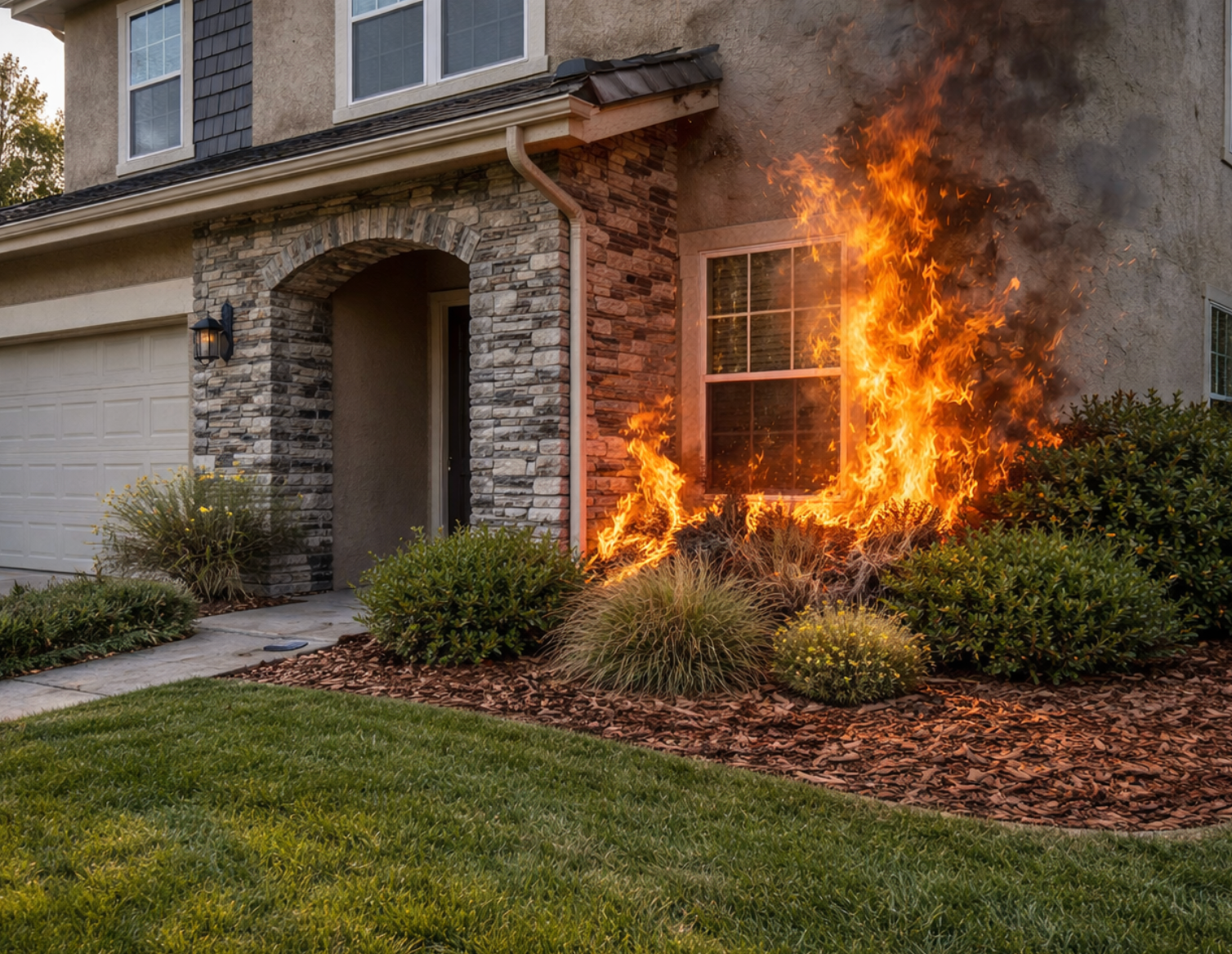
Learn how California Zone 0 laws may affect wildfire insurance, home inspections, policy renewals, discounts, and property compliance.
zone 0 landscaping mistakes sacramento, defensible space landscaping california, zone 0 compliance l
By Lukas Wilmore March 20, 2026
Top Zone 0 landscaping mistakes in Sacramento and how to fix them to stay compliant and reduce fire risk.
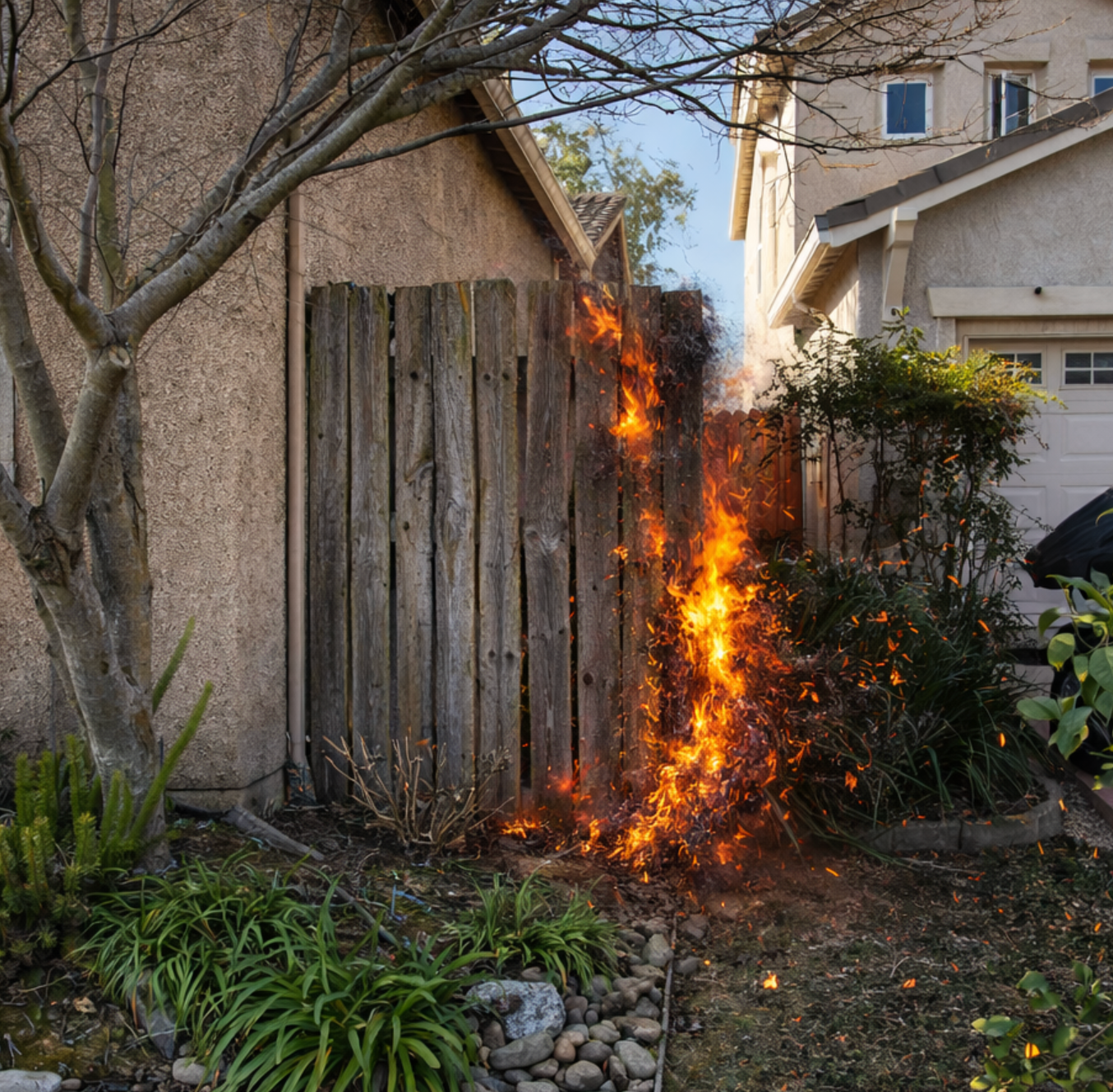
zone 0 retrofitting sacramento,zone 0 fencing cost california,wildfire retrofit mistakes
By Lukas Wilmore March 20, 2026
Avoid costly Zone 0 retrofit mistakes in Sacramento. Learn pricing, risks, and how to stay compliant.
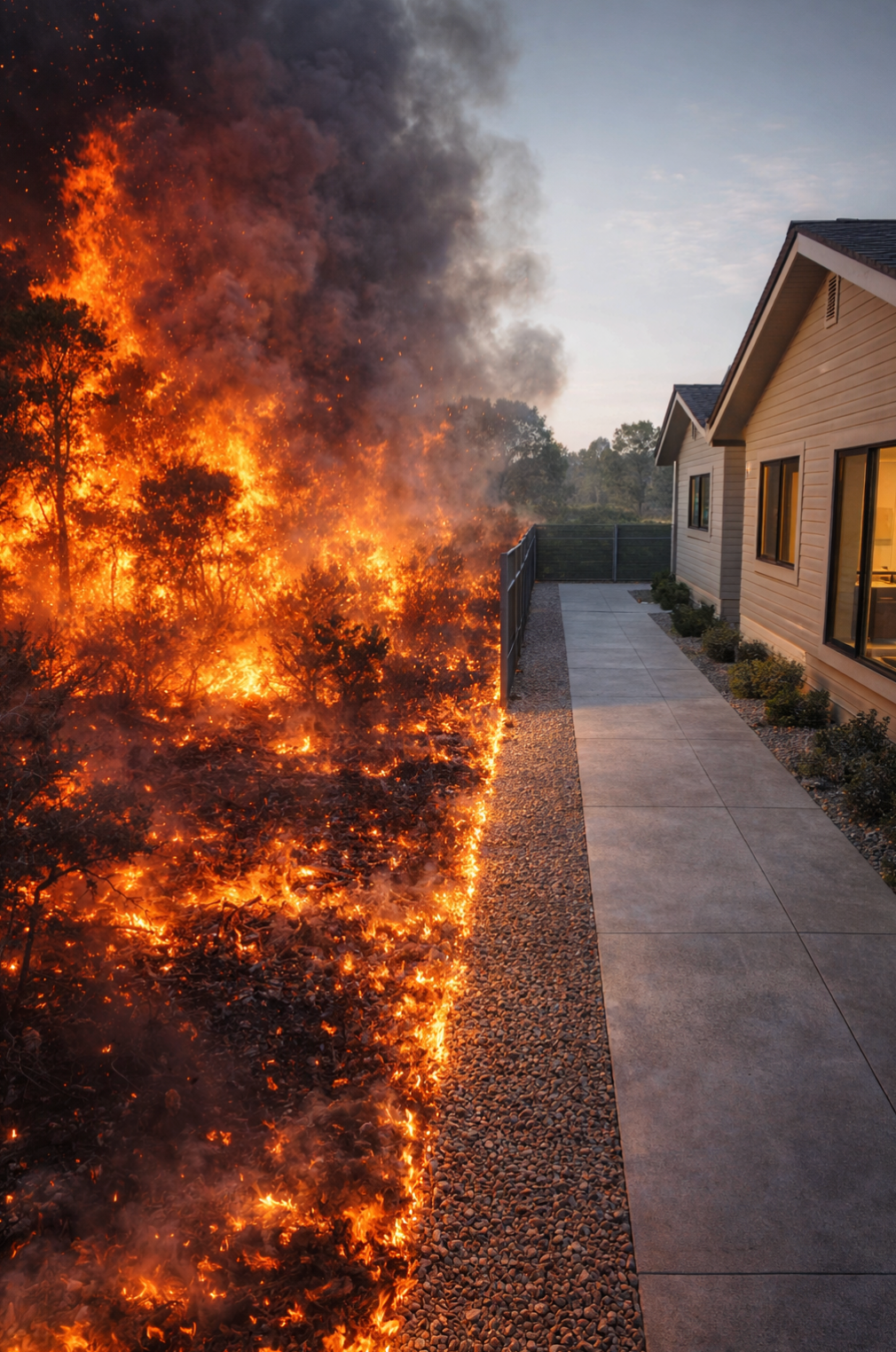
Share this article

Recent Posts

zone 0 insurance california, wildfire insurance california, zone 0 compliance sacramento
By Lukas Wilmore May 27, 2026
Learn how California Zone 0 laws may affect wildfire insurance, home inspections, policy renewals, discounts, and property compliance.
zone 0 landscaping mistakes sacramento, defensible space landscaping california, zone 0 compliance l
By Lukas Wilmore March 20, 2026
Top Zone 0 landscaping mistakes in Sacramento and how to fix them to stay compliant and reduce fire risk.
zone 0 retrofitting sacramento,zone 0 fencing cost california,wildfire retrofit mistakes
By Lukas Wilmore March 20, 2026
Avoid costly Zone 0 retrofit mistakes in Sacramento. Learn pricing, risks, and how to stay compliant.
zone 0 fencing sacramento,california zone 0 law,fire resistant fencing sacramento
By Lukas Wilmore March 20, 2026
Zone 0 fencing rules in Sacramento. Learn costs, compliance, and how to avoid overpaying or failing inspection.
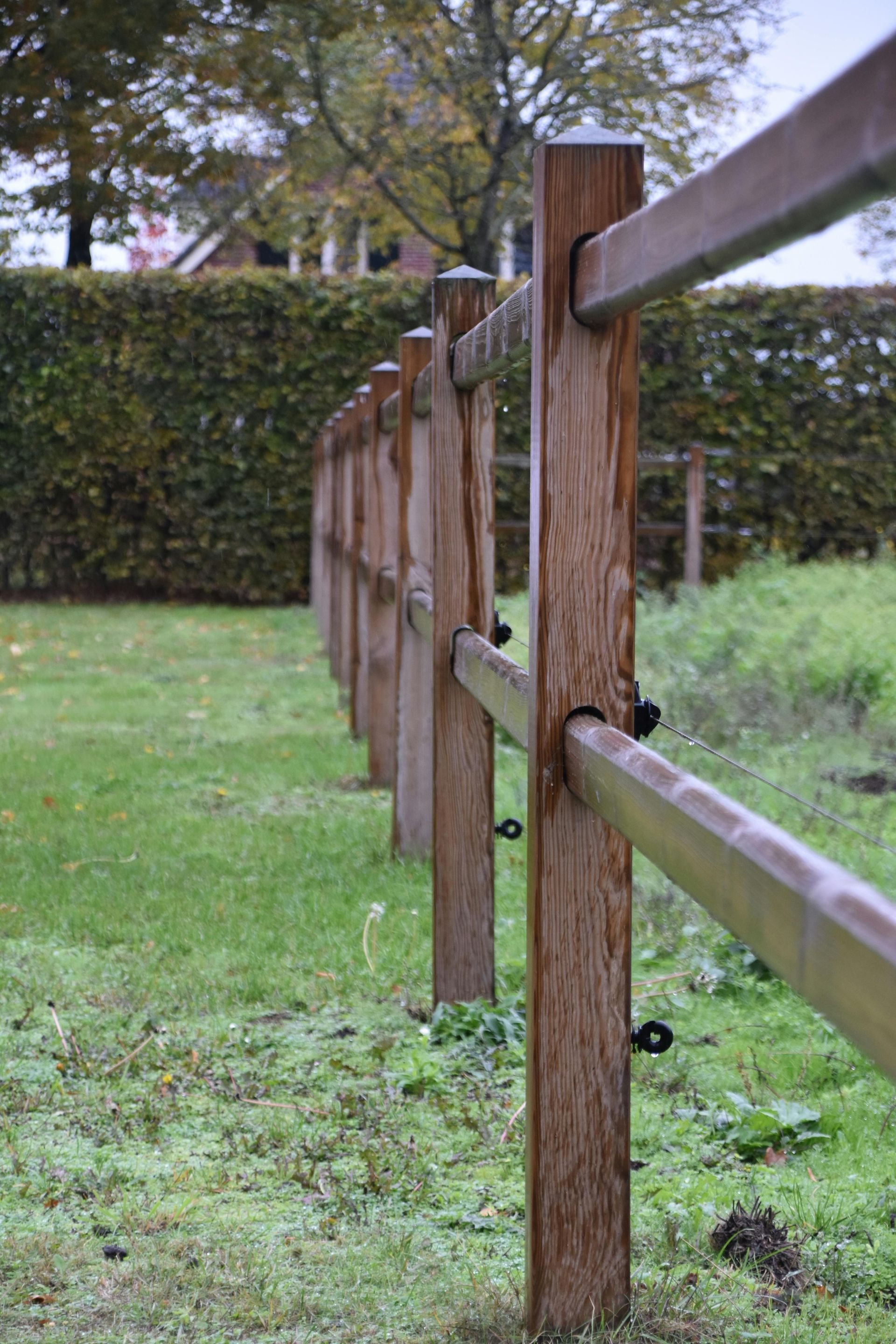
wood fence post spacing,how far apart should fence posts be, fence post spacing for privacy fence
By Lukas Wilmore February 27, 2026
Learn how far apart wood fence posts should be based on soil, wood type, wind, and cost. Expert spacing guide for long-lasting fences.
best gravel for fence posts, gravel under wood fence posts, fence post gravel drainage
By Lukas Wilmore February 8, 2026
Learn which gravel works best under wood fence posts, how much to use, and what to avoid for long-lasting fence stability and drainage.
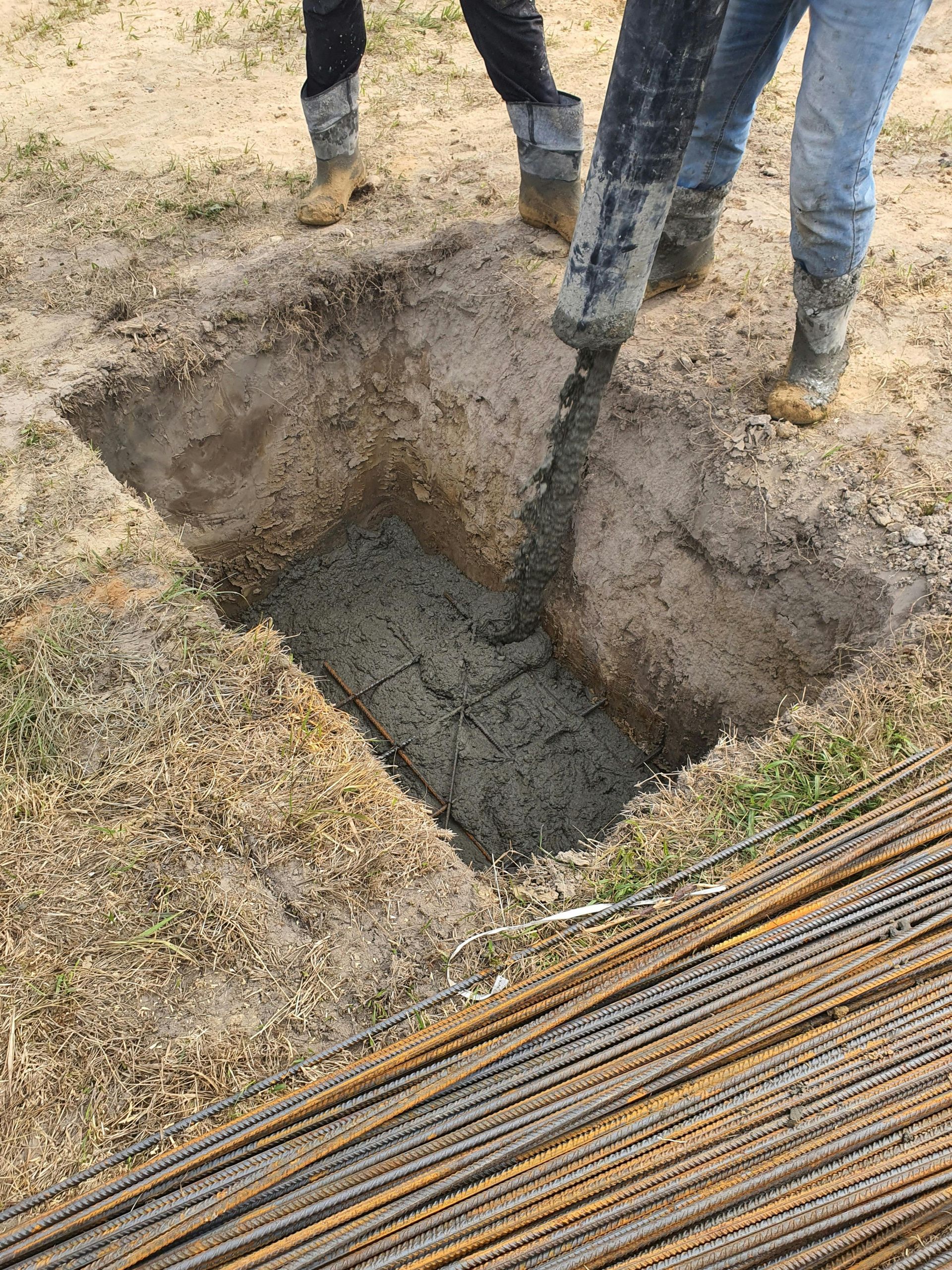
concrete fence posts Sacramento,gravel vs concrete fence posts,wood fence installation guide
By Lukas Wilmore February 4, 2026
Unsure if wood fence posts need concrete? Our Sacramento-area guide explains when to use concrete versus gravel or foam based on soil type and fence height.

digging depth for fence posts
By Lukas Wilmore January 27, 2026
Learn how deep to set fence posts across Sacramento’s diverse soils and neighborhoods. Get expert tips on proper depth, tools, and materials for strong fences.
redwood wood durability,redwood fencing strength,redwood outdoor use
By Lukas Wilmore January 16, 2026
Explore how strong and durable redwood wood is for fencing, sheds, and outdoor structures, including lifespan, weather resistance, and long-term value.
cedar wood durability,cedar fencing strength,cedar outdoor use
By Lukas Wilmore January 16, 2026
Learn how strong and durable cedar wood is for fencing, sheds, and outdoor projects, including weather resistance, maintenance needs, and long-term performance.
Show More