

NEW CA LAW "0-Zone Fencing": What Sacramento residents should know
March 20, 2026
As wildfire risk continues to rise across Sacramento and surrounding communities like Folsom, Roseville, Elk Grove, Rocklin, and Davis, California is tightening regulations on how homes are protected—starting with the first five feet around your structure.
Assembly Bill 3074 and Governor Newsom’s Executive Order N-18-25 require the state to implement a new “Zone 0” ember-resistant standard by December 31, 2025. This zone—the space directly around your home, deck, and any attached fencing—is the most common ignition point during wildfires, especially in dry, wind-prone Northern California conditions.
For many properties in the Sacramento region—particularly those with wood fences attached to homes, tight side yards, or older construction—this law will require real changes. The sections below explain what Zone 0 means locally, how it affects your fencing, and how to prepare before enforcement begins.
What is "Zone 0?"


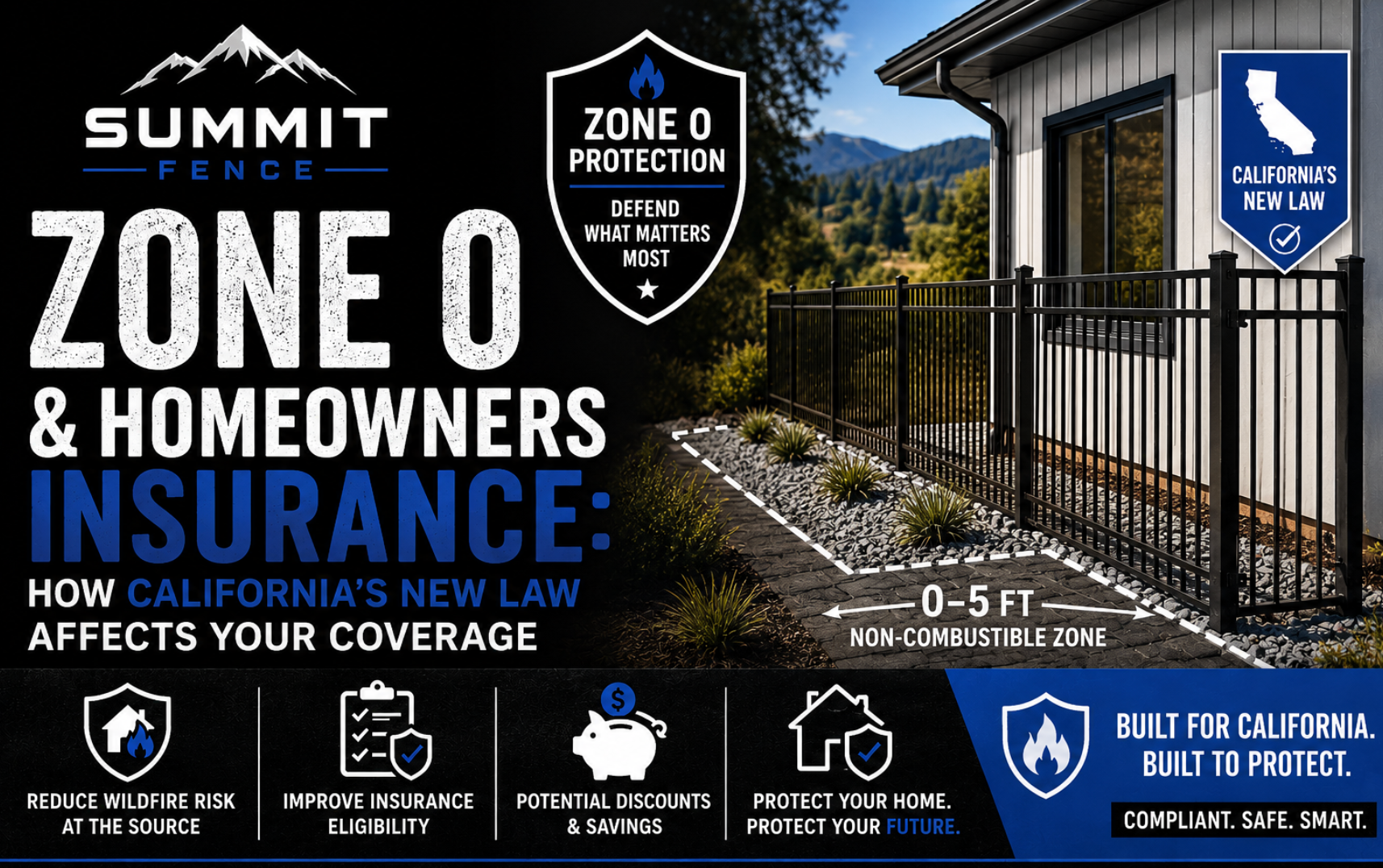
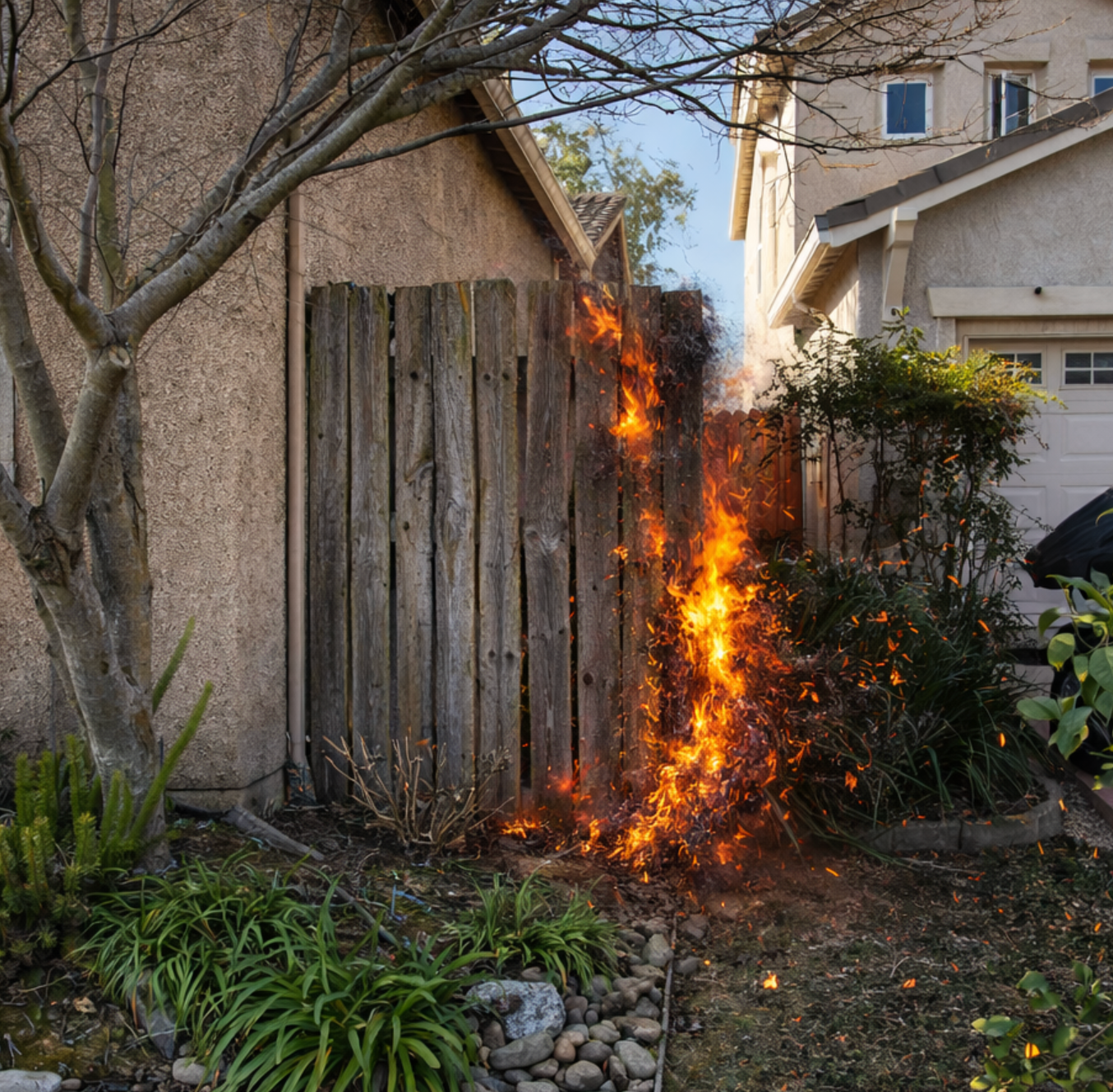
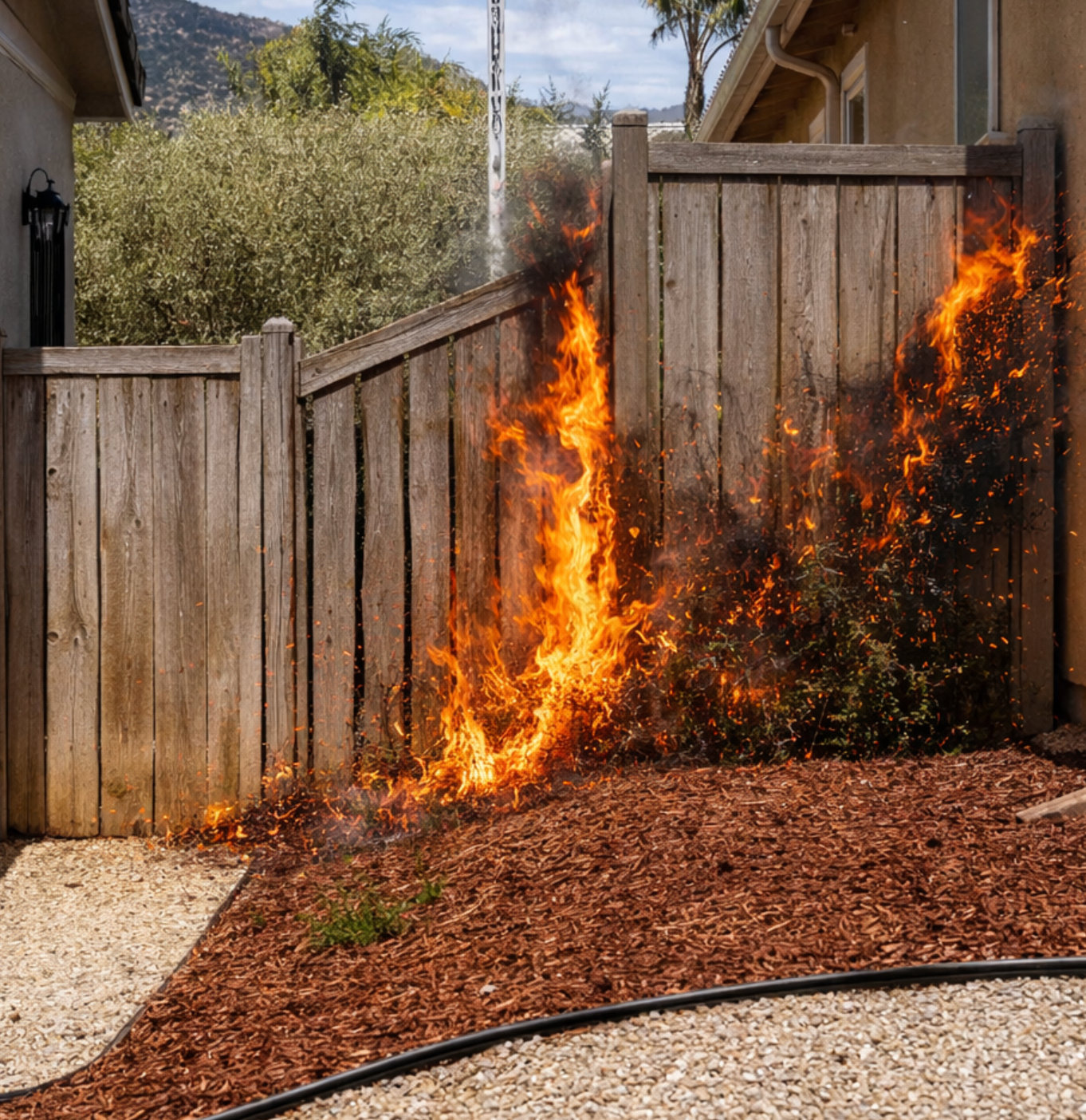
Zone 0 refers to the first five feet surrounding any structure, including your home, deck, or attached fence. It is part of California’s defensible-space strategy designed to prevent homes from igniting due to wind-blown embers, which are responsible for the majority of wildfire-related home losses[1].
CAL FIRE defines Zone 0 as an ember-resistant area extending 0–5 feet from buildings and attached structures[2]. The goal is straightforward: eliminate anything combustible that could ignite and spread fire directly into your home.
Regulatory Background
| Phase | Timeline | What It Means |
|---|---|---|
| Rule Finalization | By Dec 31, 2025 | Final Zone 0 regulations adopted statewide[15] |
| New Construction | Starting 2026 | Must comply immediately[16] |
| Existing Homes | 2026–2029 | 3-year window to upgrade fencing and materials[17] |
| Local Enforcement | 2026 onward | Counties and cities begin inspections and enforcement[18] |
Was this new law really necessary for all of California?
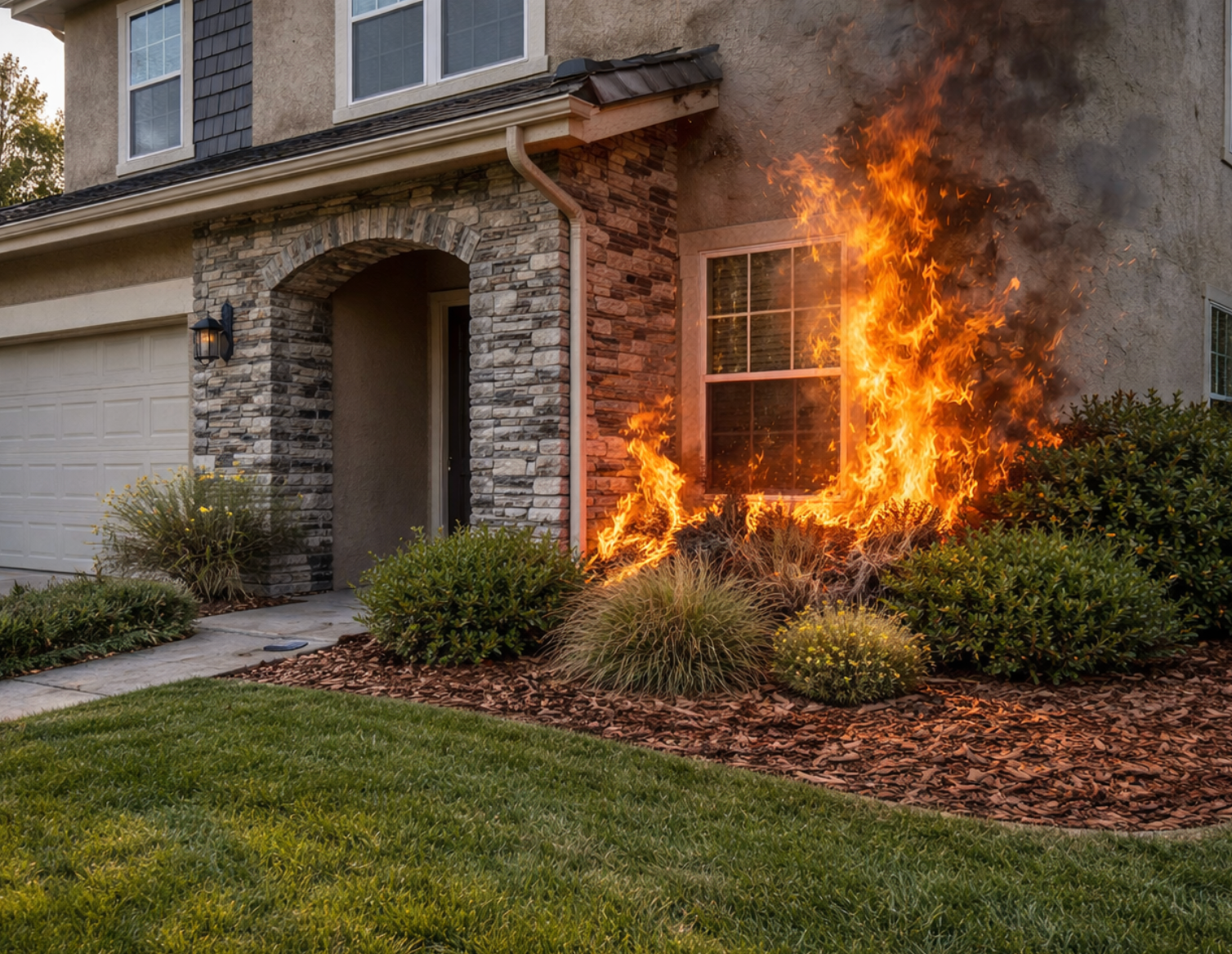
While the Zone 0 law may feel abrupt, it follows a clear pattern shaped by decades of wildfire losses across California. The Tubbs Fire destroyed over 5,600 structures and caused an estimated $7–10 billion in damages, much of it tied to ember ignition near homes. Earlier, the Cedar Fire burned more than 2,800 homes and 273,000 acres, while the Witch Fire contributed to widespread destruction across Southern California. More recently, Los Angeles-area fires have continued to cause billions in damages annually, reinforcing the same pattern: structures are most vulnerable at the immediate perimeter where combustible materials allow embers to ignite homes.
Zone 0 is a direct response to these repeated outcomes. Fire agencies have consistently found that a significant percentage of home losses begin within the first five feet of the structure, not from direct flame contact but from wind-driven embers. The law formalizes what has already been proven through these events—removing combustible materials and installing fire-resistant systems at the structure line is one of the most effective ways to reduce loss. This is not a new concept; it is the statewide enforcement of lessons learned from some of the most destructive wildfires in California history.
Why Zone 0 Fencing Matters for Cities and Counties along Highway 80
As of 2026, Zone 0 is fully implemented—not proposed. It is now a statewide requirement tied to fire hazard severity zones, enforced through building permits, updated CAL FIRE maps, and local adoption. New construction must comply immediately, and existing properties are within a defined compliance window (typically ~3 years), making upgrades mandatory rather than optional.
Along the I-80 corridor—Sacramento through Auburn—enforcement has shifted to local jurisdictions. Cities and counties are expanding fire zones, tightening codes, and initiating inspections tied to defensible space compliance. Homeowners, HOAs, and property managers must replace combustible materials within 5 feet of structures or face citations, insurance issues, and failed inspections. For HOAs and multifamily properties, this creates a broader liability requiring coordinated upgrades, as wildfire hardening moves from policy into active enforcement.
Northern CA Zone 0 Guidelines for Fencing
According to CAL FIRE guidance and draft regulations, fencing is among the most affected features in Zone 0, especially in Sacramento, where wood fencing is common.
Remove Combustible Fencing

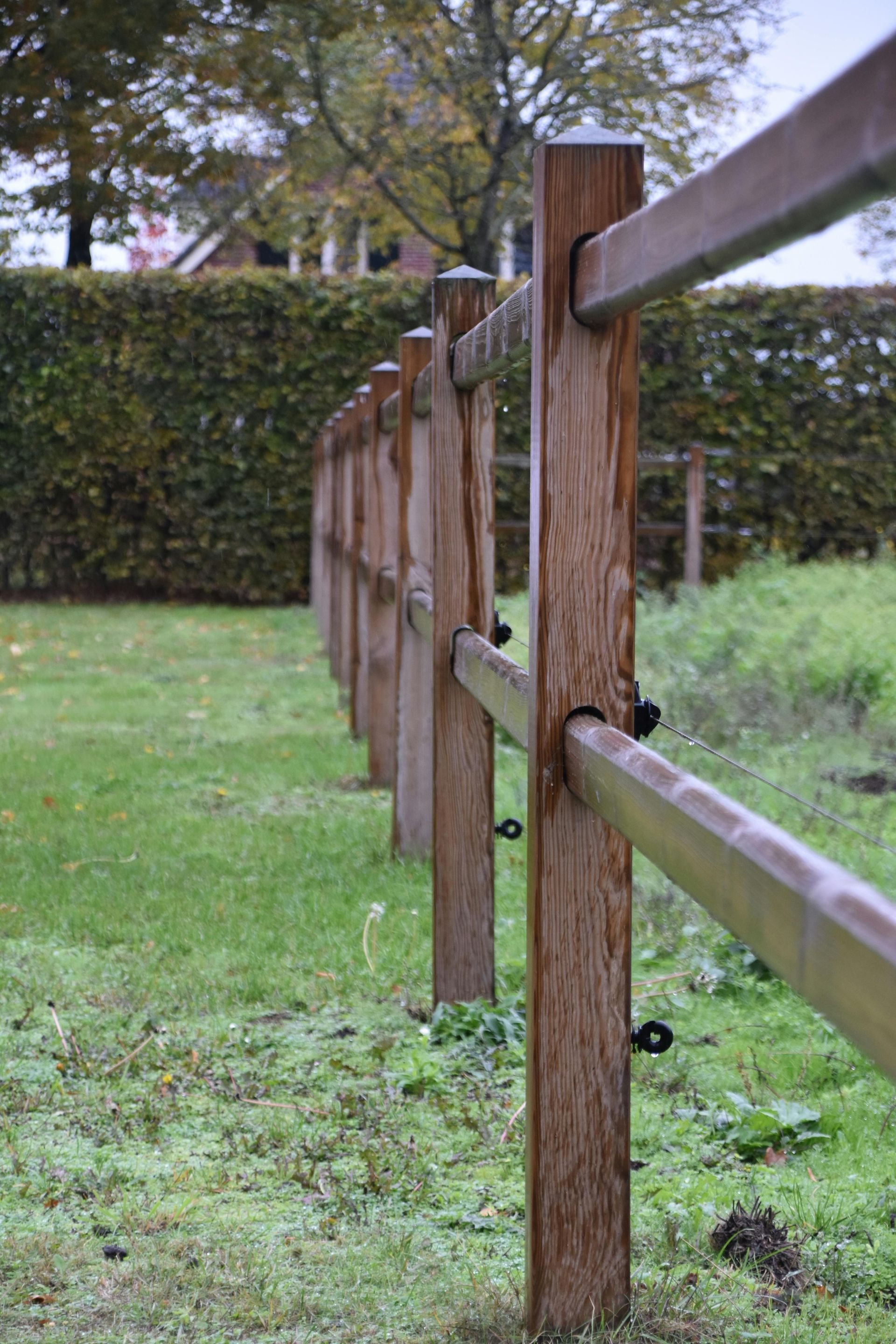
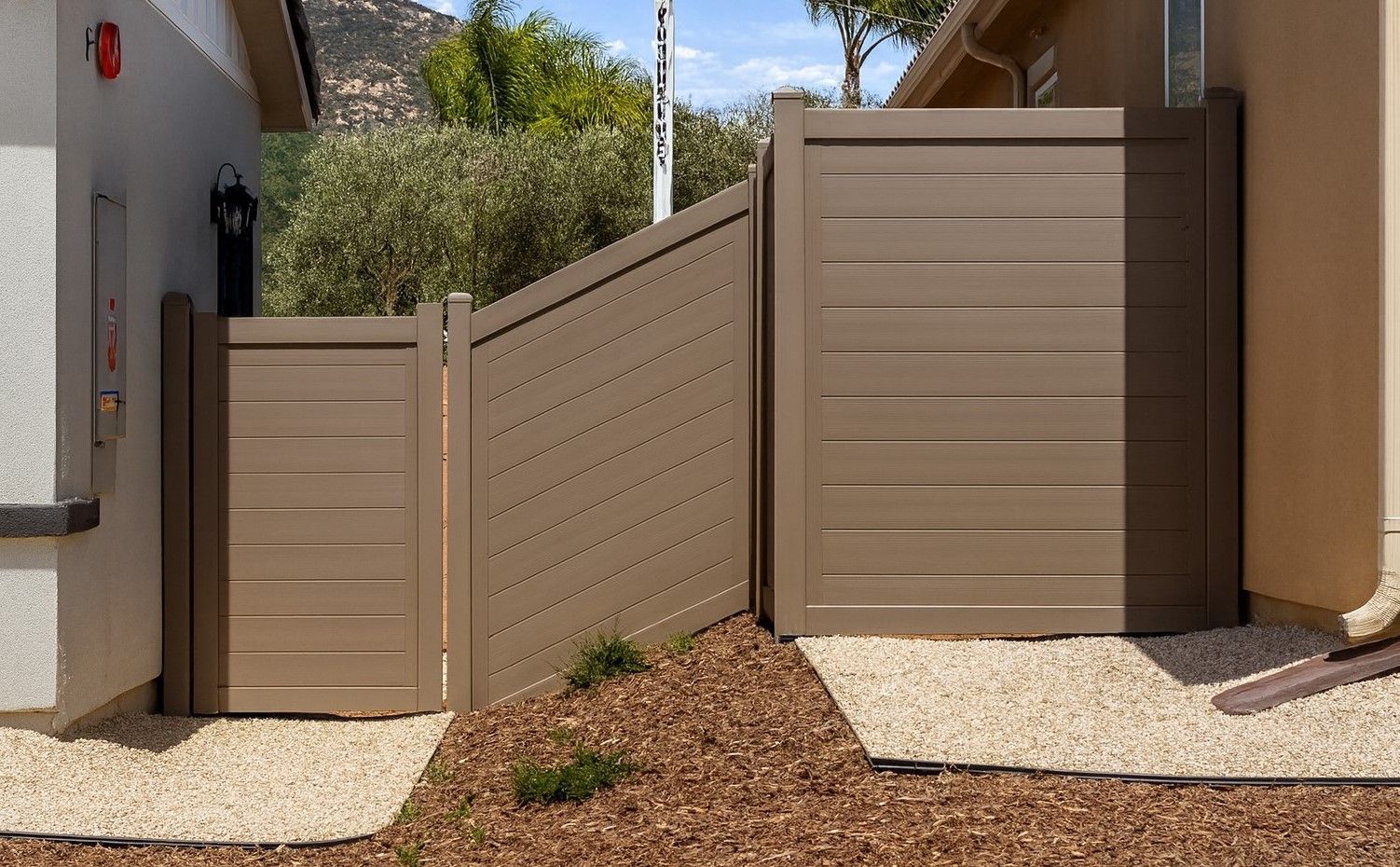
Wood, vinyl, and composite fencing that touches your home will not meet compliance standards. These materials can ignite and carry fire directly into the structure[9].
Use Non-Combustible Materials

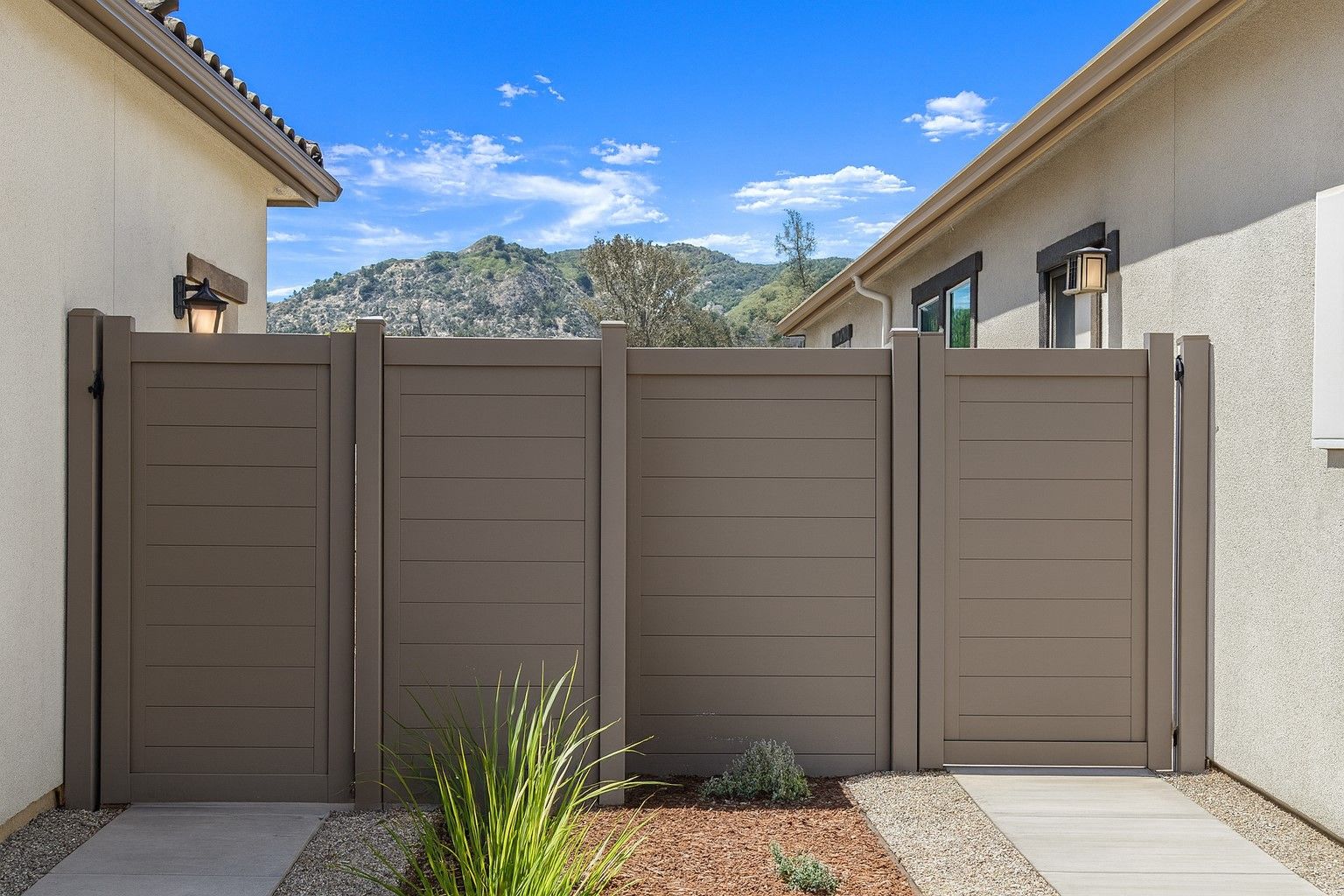
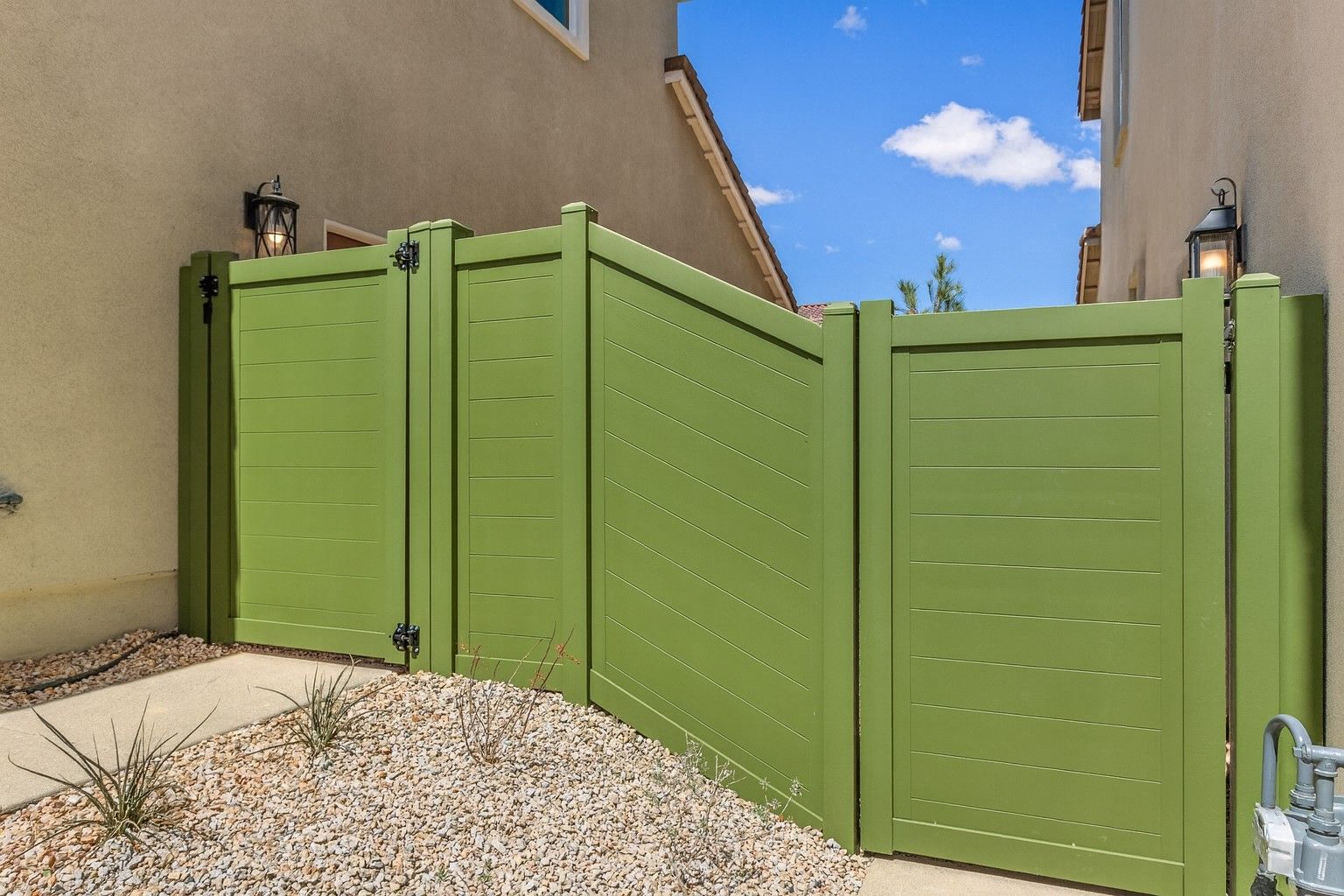
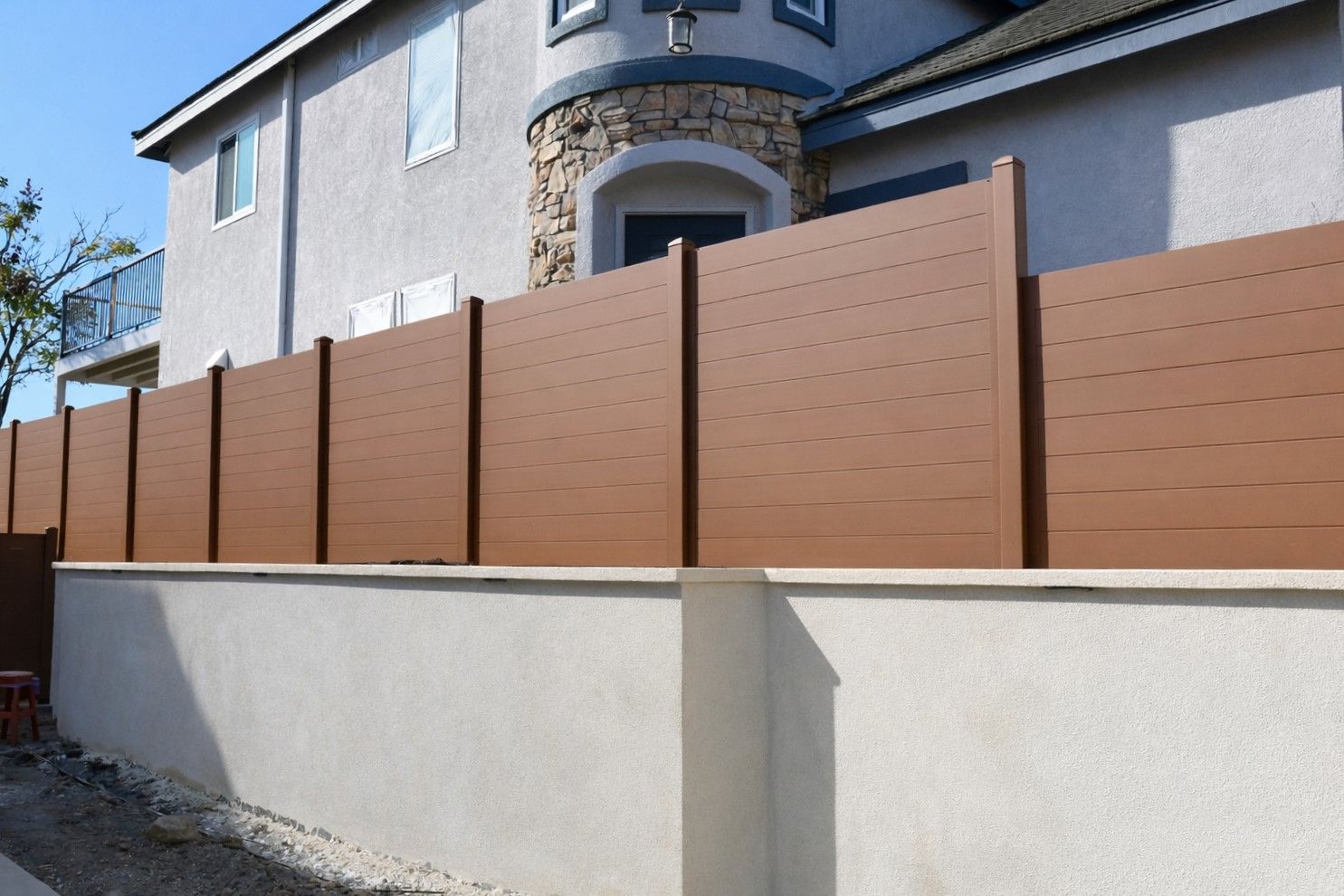
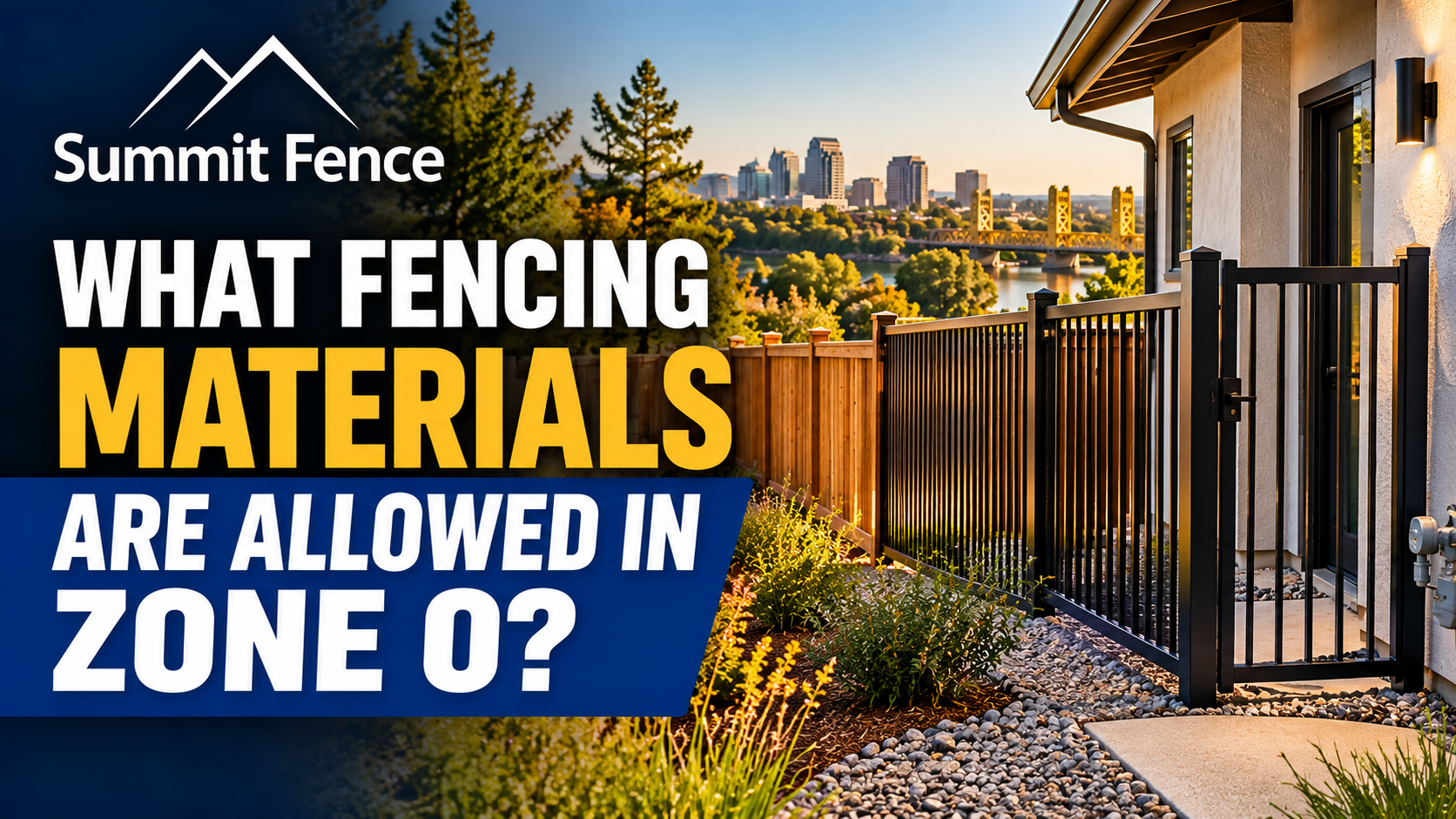
Where a fence meets your home, it must transition to non-combustible materials, including steel, aluminum, wrought iron, masonry, concrete, or stucco-over-block systems.
Fencing and Walls

Any and all fencing or gates that are connected to your home that are combustible must be replaced with a non-combustible material up to five (5) feet from the wall of your home. This helps avoid quick transitions of wood and materials to the base of your home.
Bark, Mulch, and Landscaping

Yes, all that really expensive and beautiful landscaping you paid for at the base of your home's walls has to go too. Remove bark, mulch, and organic debris and replace them with gravel, pavers, and concrete, again up to five feet away.
Pitfalls vs Solution for Zone 0 Compliance
Fencing vs Landscaping - Who do you choose
Fencing Contractors are your best choice
Zone 0 compliance requires more than standard fencing knowledge—it requires knowing where materials like cedar are still allowed and where fire-resistant transitions are required. Many contractors will either over-replace or install non-compliant systems. Summit Fence understands Sacramento-area codes and wildfire conditions, ensuring your fence is compliant, properly placed, and not overbuilt.
Avoid Landscaping Contractors
Accepting proposals from landscapers or general contractors who don’t understand Zone 0 is one of the most common and costly mistakes right now. Many are still applying traditional landscaping or fencing approaches, which can result in non-compliant installations—especially within the critical 5-foot zone around structures. This often leads to failed inspections, rework costs, and delays once enforcement tightens.
Inventory Inflates Pricing
Pricing is already shifting due to demand. In the Sacramento market, standard cedar fencing that historically ranged from $35–$55 per linear foot is now being quoted as high as $60–$85+ in high-demand areas. Fire-resistant options like steel, aluminum, or masonry transitions can range from $80–$150+ per linear foot, with some contractors inflating pricing further due to limited inventory or lack of sourcing. Summit Fence avoids this by sourcing materials locally and applying Zone 0 strategically—focusing upgrades only where required—so you stay closer to realistic pricing instead of overpaying for full replacements that aren’t necessary.
Final Thoughts
Zone 0 is no longer a future requirement—it’s an active standard that is already changing how homes are built, maintained, and insured across the Sacramento region. The risk is not just fire—it’s overpaying, failing inspections, or redoing work if the wrong contractor or materials are used. Most properties don’t need full fence replacements, but they do require precise upgrades in the areas that matter most.
Summit Fence focuses on doing it right the first time—by applying Zone 0 strategically, using the right materials, and keeping your project compliant without unnecessary costs. Whether you’re a homeowner, HOA, or property manager, the goal is simple: protect your structure, meet code, and avoid paying twice.