

Top Zone 0 Landscaping Mistakes Sacramento Homeowners Are Making
March 20, 2026
Our previous articles covered what Zone 0 is and how retrofitting works. You can read them here:
- What is the New 0 Zone Fire Prevention Compliance Law
- Zone 0 Home Retrofitting: Avoiding Costly Mistakes and Scams
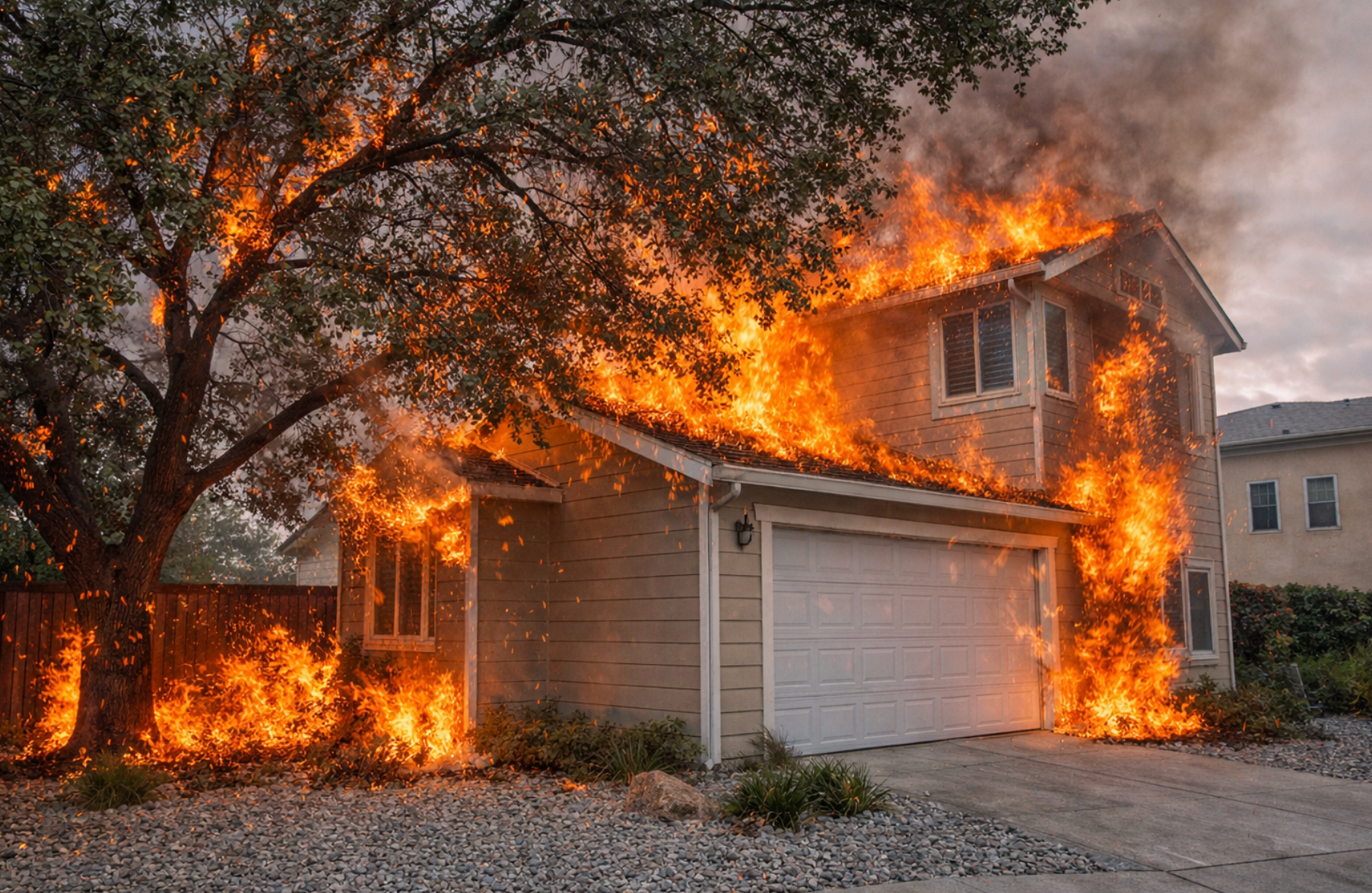
This article focuses on one of the most overlooked parts of compliance: landscaping. Many homeowners upgrade fencing but leave combustible materials at the base of their home—where most ignitions actually begin. These are the most common mistakes we’re seeing across Sacramento, and how to avoid them.
Why Landscaping Is Critical in Zone 0
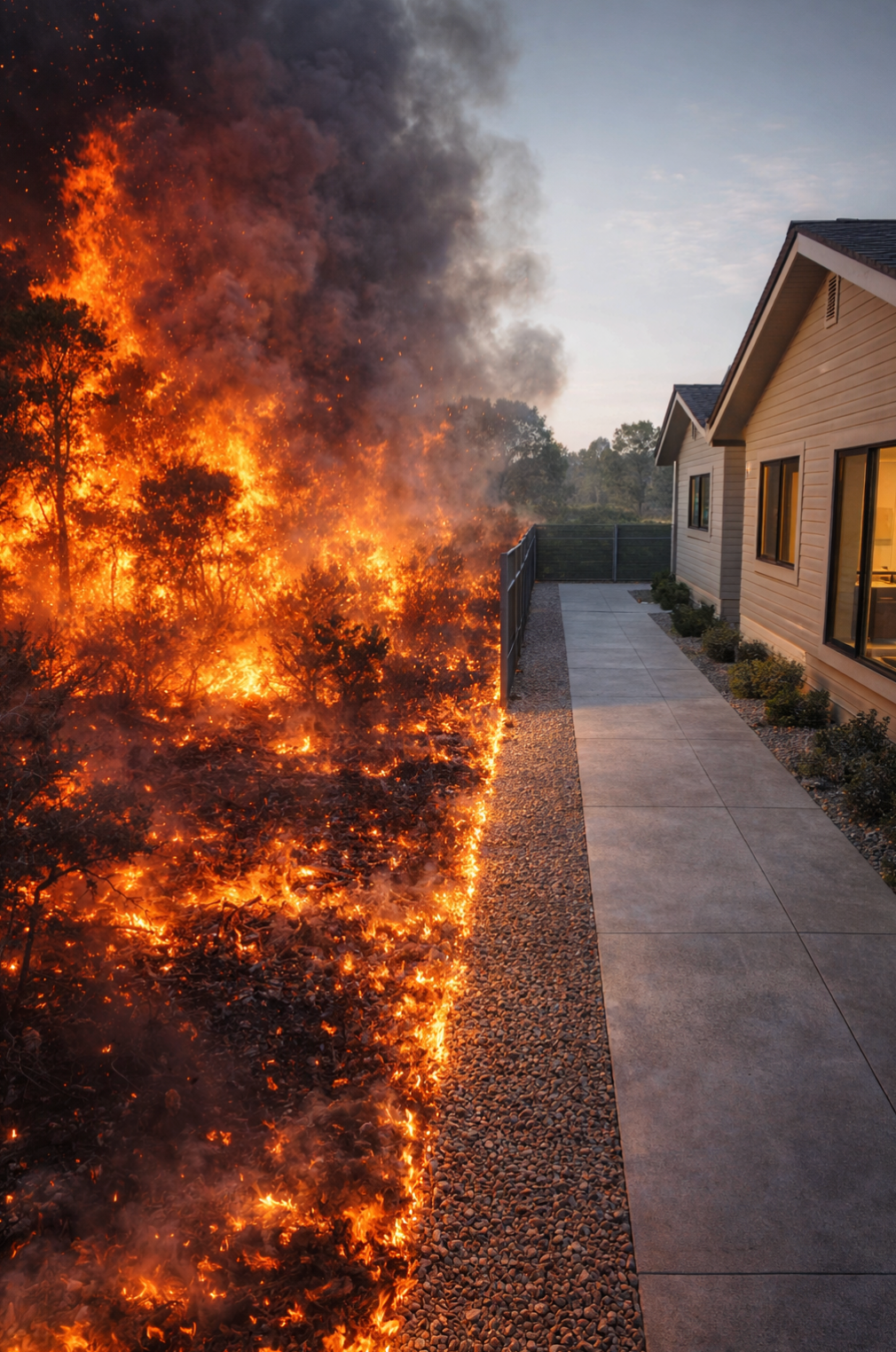
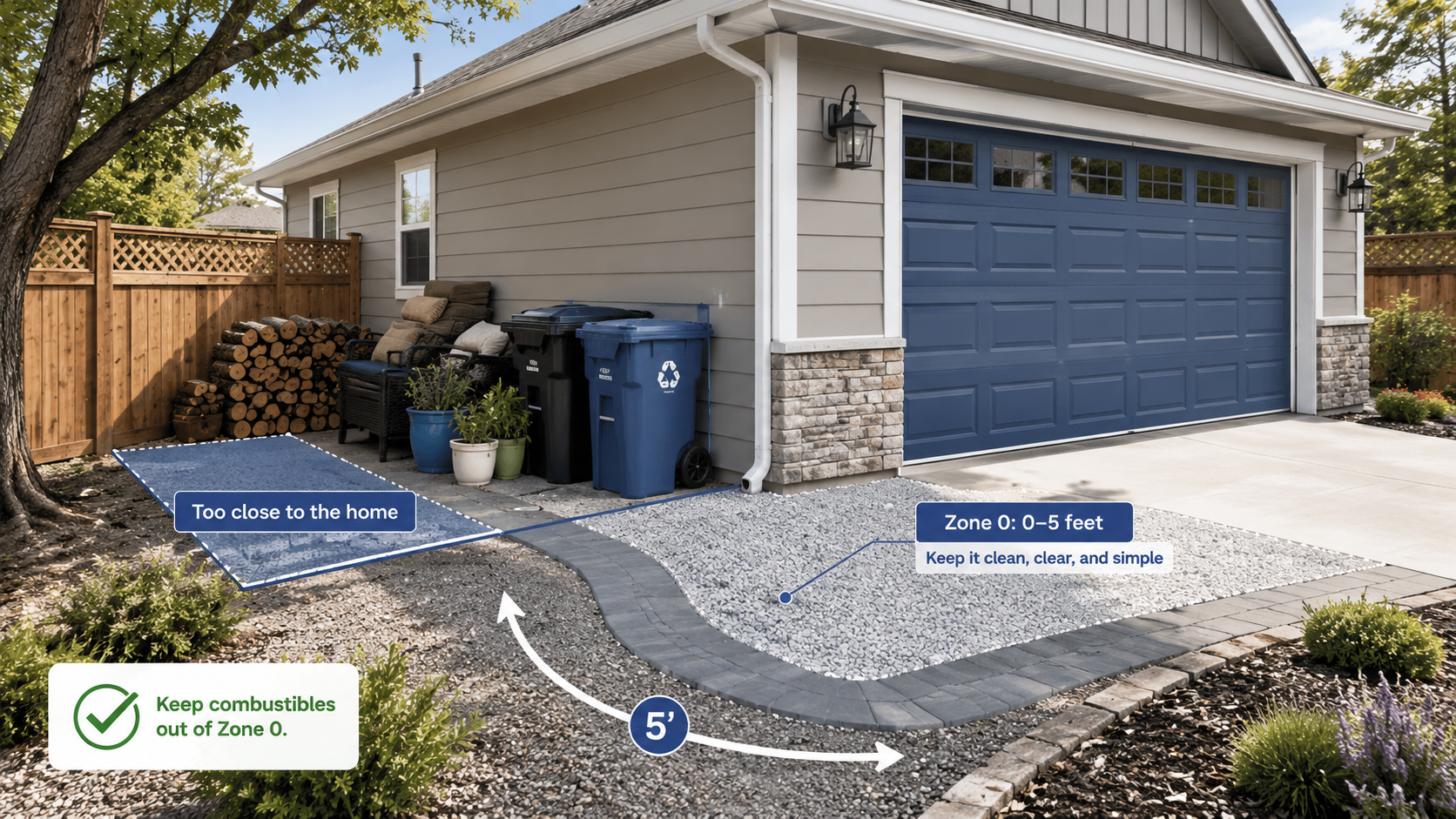
Zone 0 applies to the first five feet around your home, including the ground layer. This is where embers land, accumulate, and ignite. Studies show nearly 90% of homes lost in wildfires are caused by wind-blown embers, not direct flames. That means bark, mulch, and debris near your home are often a bigger risk than large vegetation further away. If the ground layer is wrong, the rest of your upgrades won’t matter.
Top Zone 0 Landscaping Mistakes
Examples of Landscaping that will leave you out of Zone 0 Compliance
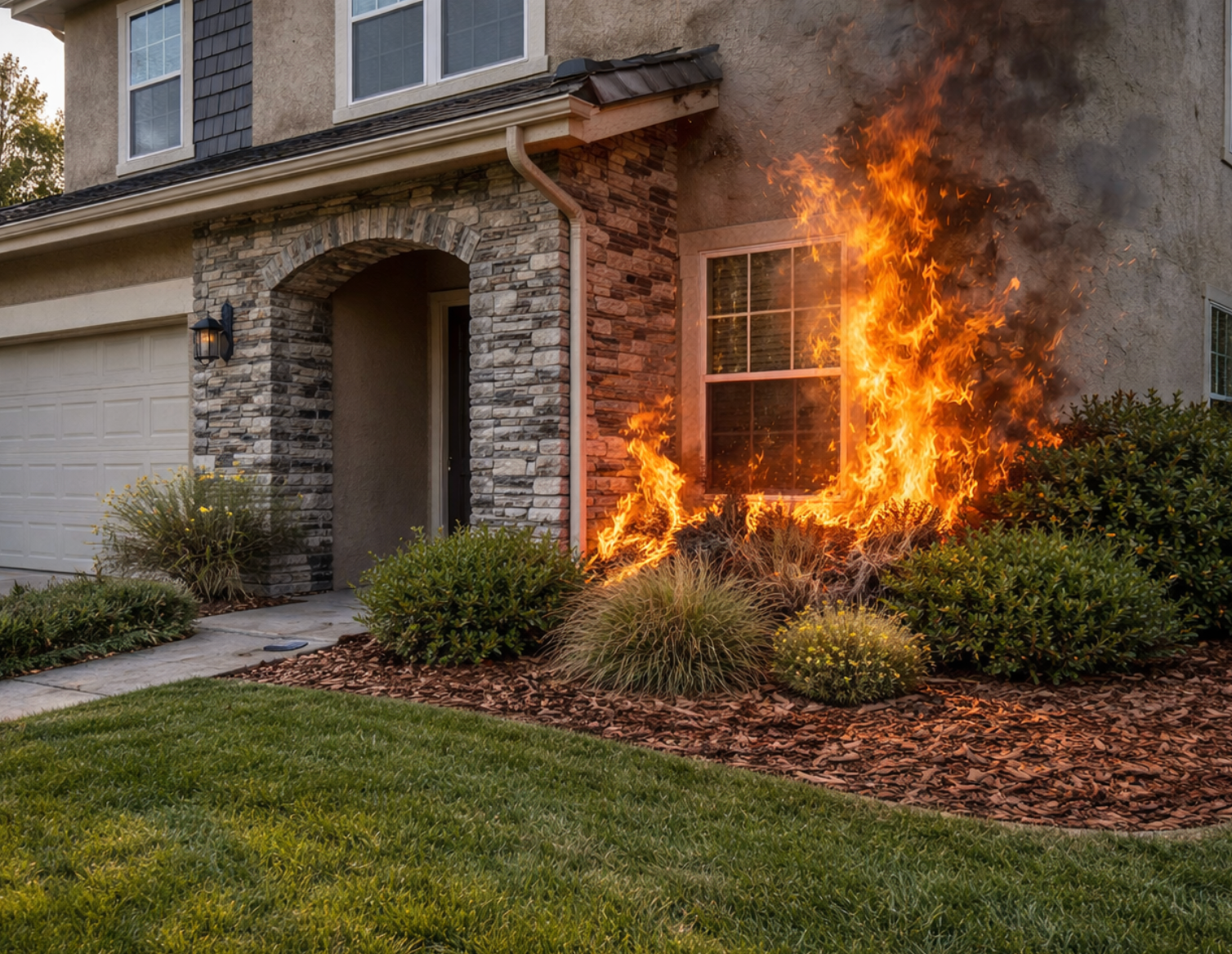
1. Front of Home Walls to Combustible Plants/Cover

We all take pride in ensuring our homes look their finest; however, using shrubs and bark or wood chips can significantly increase the risk of embers traveling from these combustible materials directly along your home's walls, potentially engulfing your property in flames. To safeguard against this, combustible items should be surrounded by a five-foot defensible zone. Effective alternatives for creating this barrier include decomposed granite or concrete, allowing you to maintain aesthetic appeal without compromising safety.
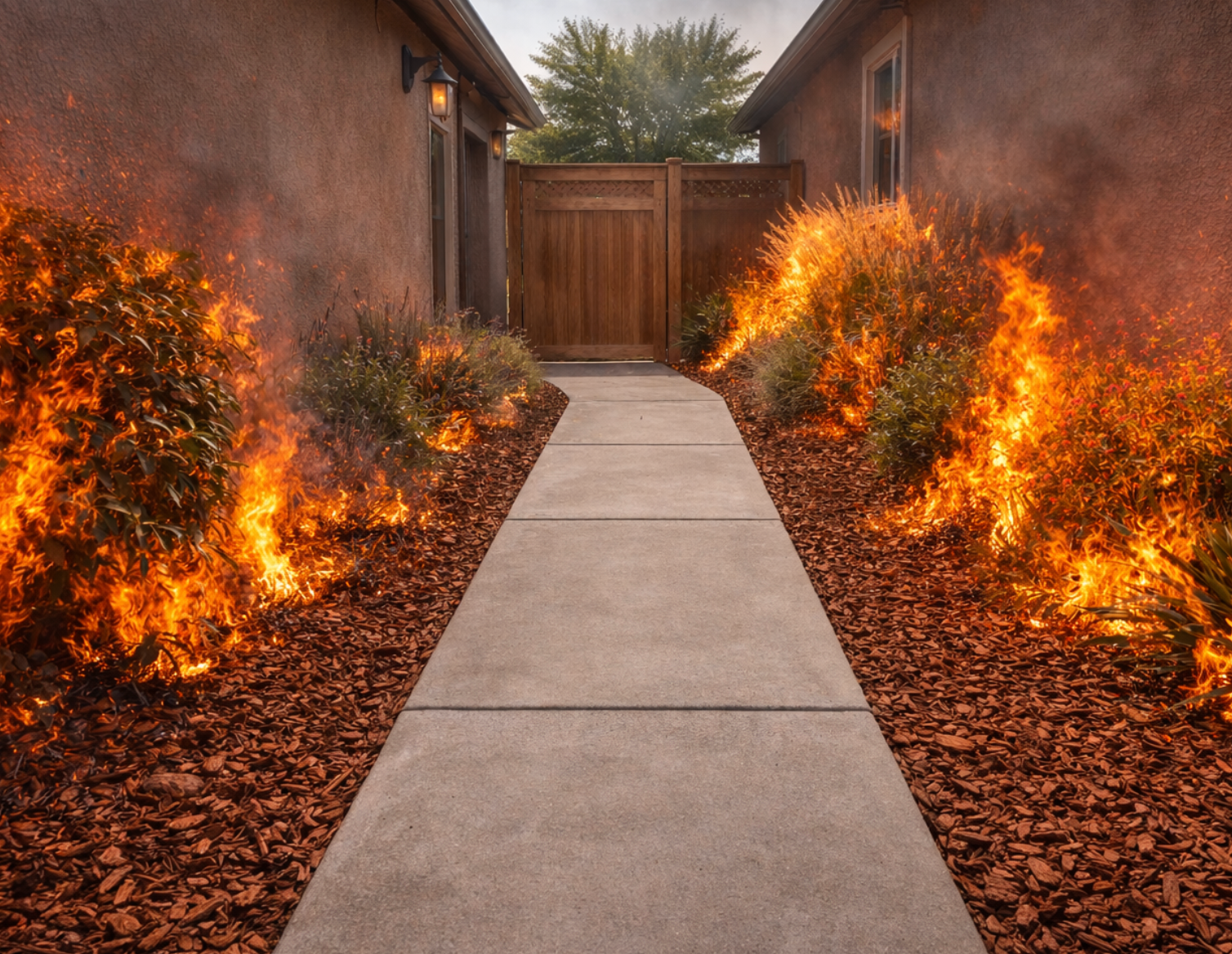
2. Side of Your Home Walls to Combustible Plants/Cover

For residences, duplexes, and even apartments, the side walkways serve as a convenient route from the front to the back, allowing for tasks like taking out the garbage and more. However, it's important to recognize that these walkways can quickly lead to both buildings or homes becoming engulfed in flames. Ensure that there is a five-foot buffer from the foundation made of concrete, pavers, or non-combustible soil. While it may not be visually appealing, it is a legal requirement that could save hundreds of thousands, possibly even millions, in potential damages.
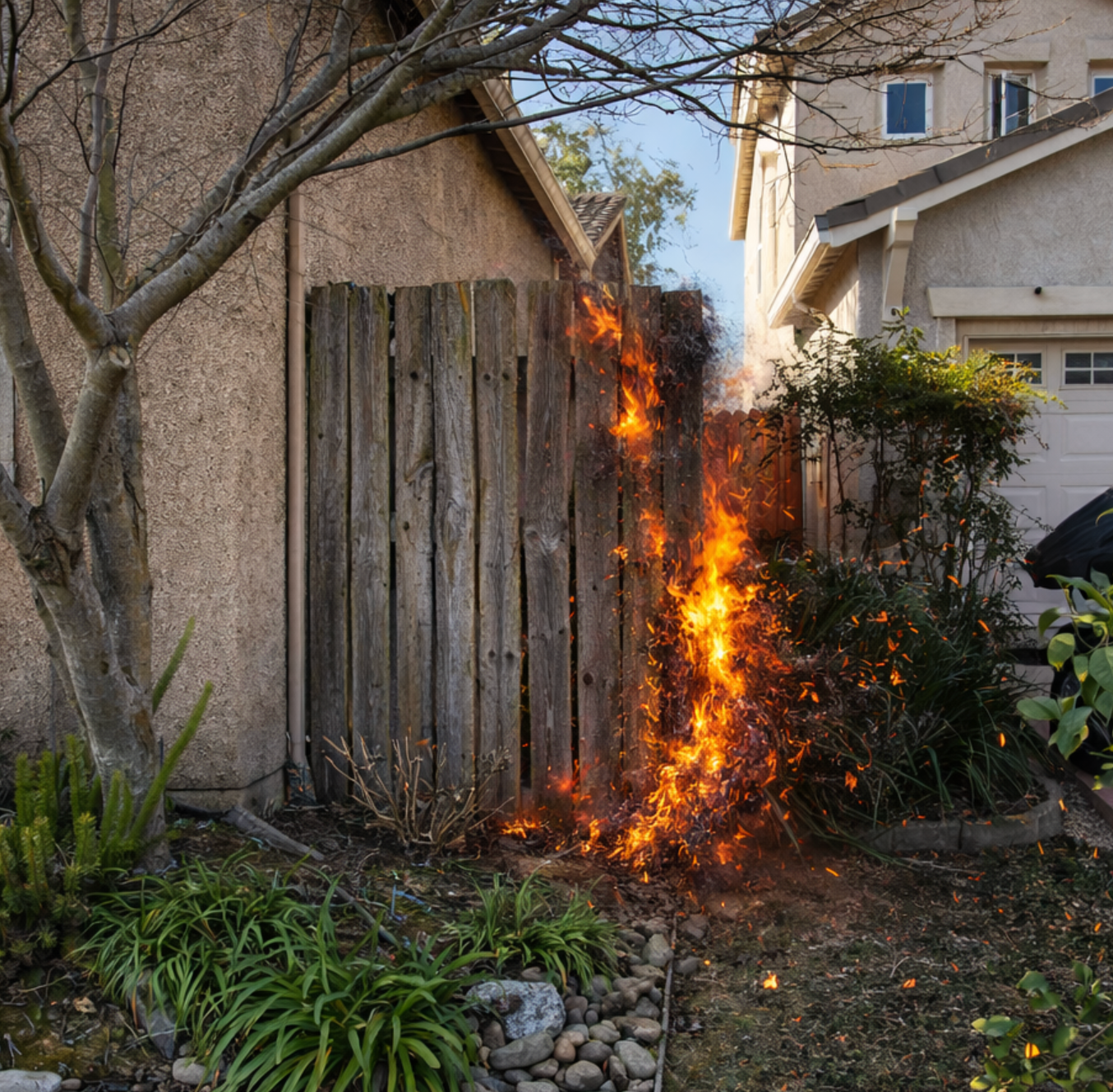
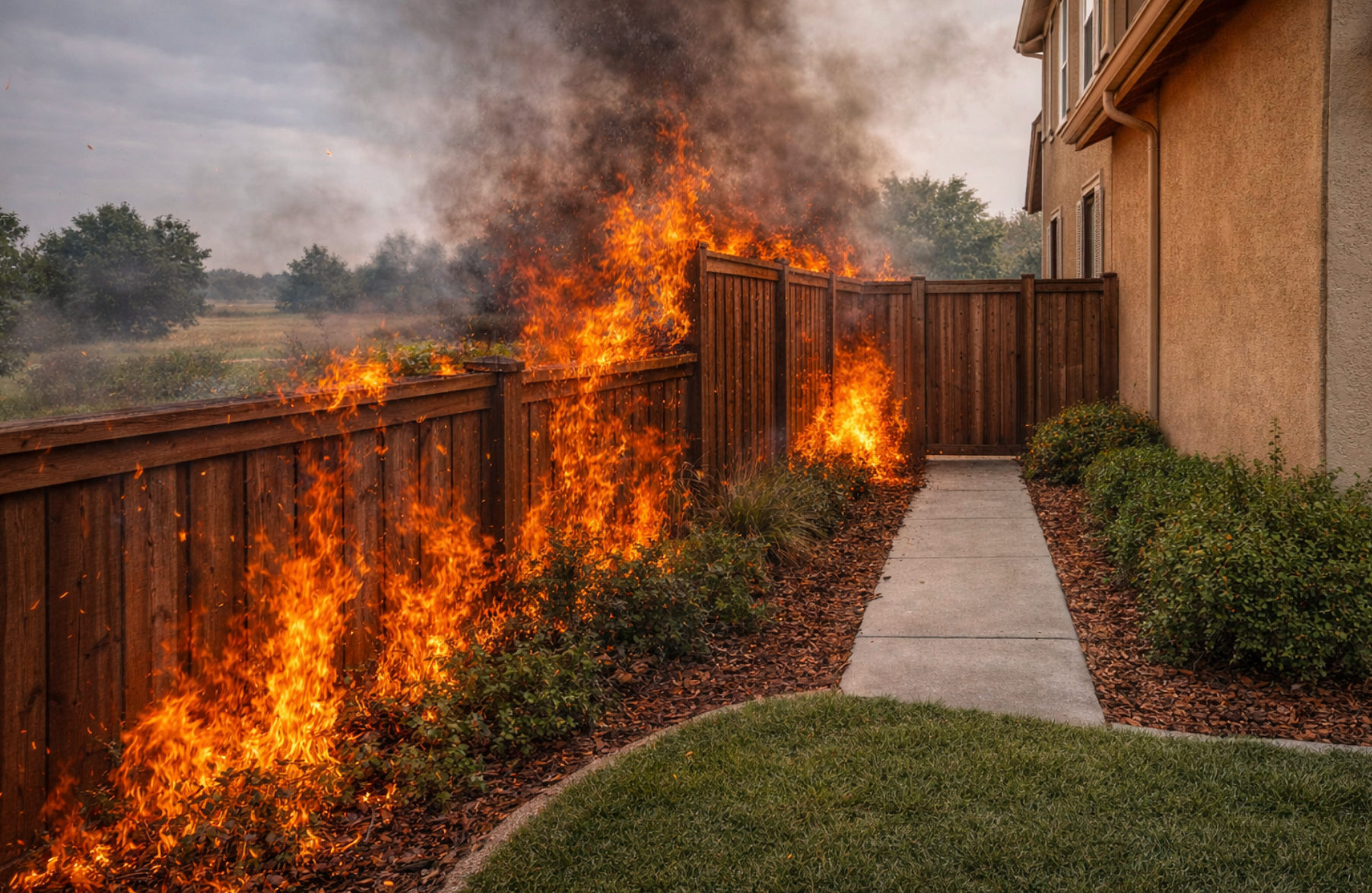
3. Combustible Plants and Cover around Fencing

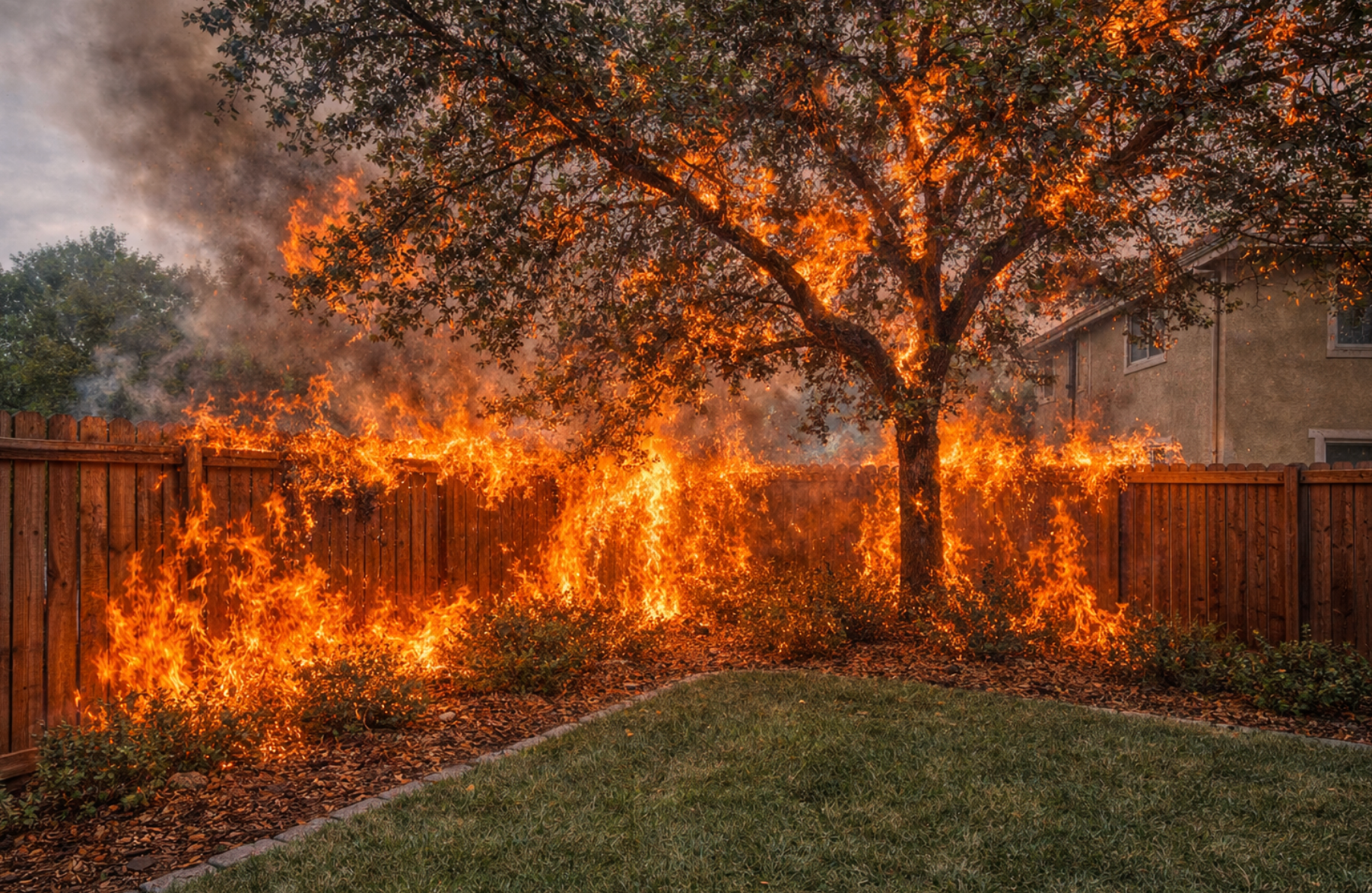
That backyard fence might be located 15 feet or even 200 feet from your house, but here’s the crucial point... the fence extends from the rear of your property along the sides of your home to the front. A fire can easily move from the back of your lot along the fence, reaching mere feet from your home's walls and roof and igniting in seconds due to direct contact or embers drifting nearby. Establishing a 5-foot barrier around not only your home but also the fencing is essential to prevent this from happening.
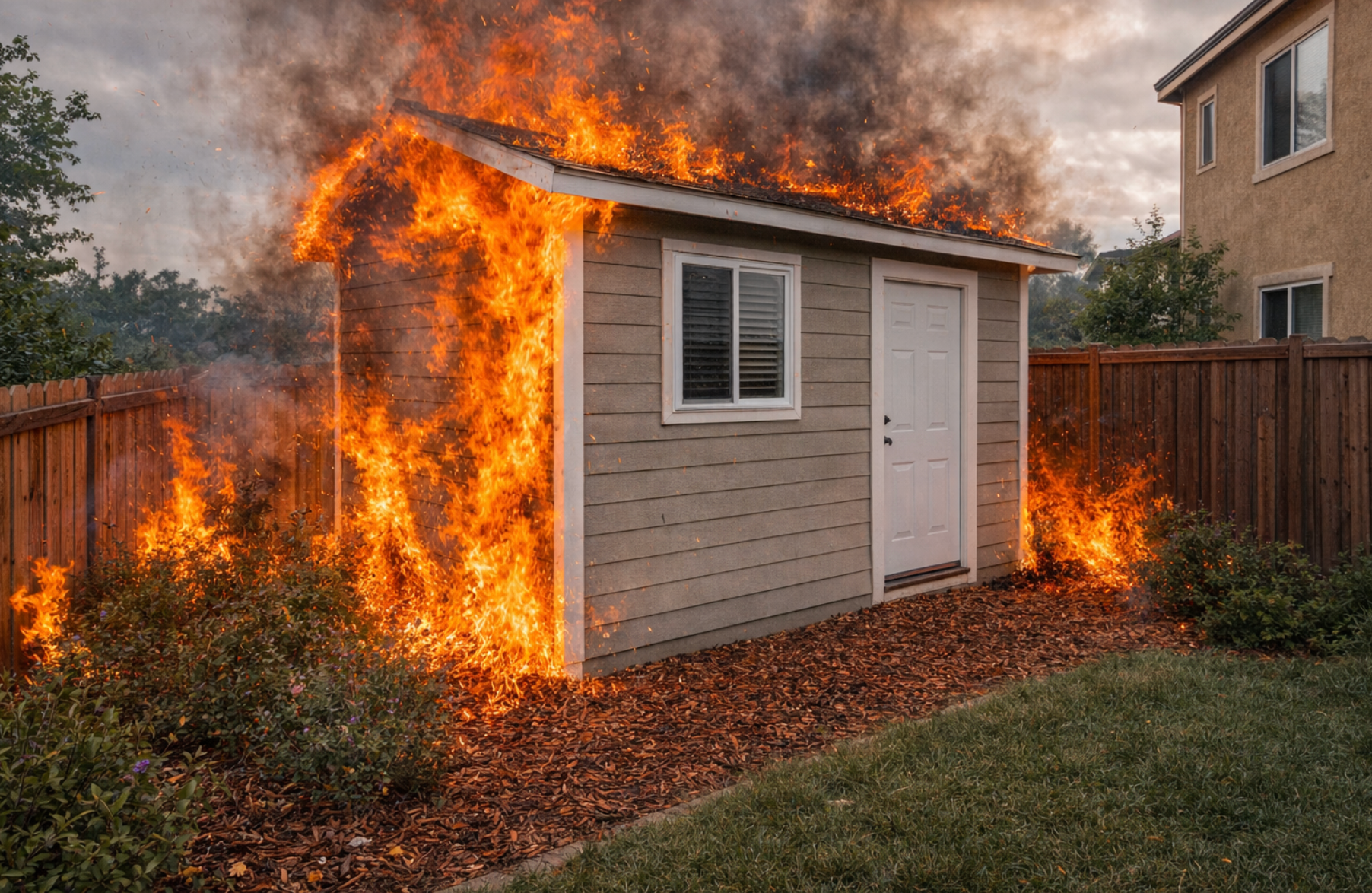
4. No Defensible Area around Sheds

Whether it’s a man-cave, she-shed, home office, or the cozy space grandma cherishes, it must be defensible as well. Fire has a tendency to leap, and the last thing you want is for your $10,000 to $100,000 ADU to ignite, burn to the ground, or spread to your lovely home. Ensure there are concrete or pavers surrounding the structure—not just for fire protection but also for added structural stability, especially since we reside in the #1 earthquake state in the United States.
5. Overhanging Trees in Front Yard

Overhanging trees may add shade and curb appeal, but under Zone 0, they can create a direct fire risk. Low branches and canopies near your roof allow embers to land and ignite areas that should be protected, turning your front yard into a pathway for fire to reach the home. You don’t need to remove every tree—just manage them correctly. Trim branches away from the roof and structure, increase spacing, and replace mulch below with gravel or hardscape. This keeps the look while eliminating one of the most common ignition risks.
6. Overhanging Trees in Backyard Yard along Fence Lines

Overhanging trees along backyard fences can create a "ladder effect," allowing fire to spread from ground vegetation to trees. Low branches over wooden fencing or too close to structures can ignite multiple spots, speeding up fire spread. The solution is not to remove all trees but to manage spacing and height effectively. Prune branches above fence lines, keep distance between trees and structures, and remove combustible materials. This disrupts the fuel path while preserving privacy and shade in your backyard.
Final Thoughts
Zone 0 compliance isn’t just about fencing—it starts at the ground level. This article breaks down the most common landscaping mistakes Sacramento homeowners are making, from mulch and vegetation near the home to overlooked risks like fencing bases, sheds, and overhanging trees. Because nearly 90% of wildfire ignitions come from wind-blown embers, small details within the first five feet of your structure can determine whether your home is protected or vulnerable. The goal isn’t removing everything—it’s creating a clean, non-combustible buffer using materials like gravel, pavers, and proper spacing. When done correctly, these targeted upgrades reduce fire risk, ensure compliance, and prevent costly rework.