



How Far Should Wood Fence Posts Be Spaced?

February 27, 2026

Wood fence post spacing is not arbitrary. It directly affects structural integrity, longevity, wind resistance, material cost, and overall appearance. If posts are spaced too far apart, panels sag and rails bow. If spaced too close, you increase cost without meaningful structural gain. This guide explains optimal spacing based on fence type, wood species, soil conditions, wind exposure, and budget considerations.

Standard Wood Fence Post Spacing

history of iron fencing

Typical residential spacing: 6 to 8 feet on center


  • 6 feet apart – Stronger, more rigid, recommended for heavy boards, high wind, soft soil, or long-term durability.
  • 8 feet apart – Most common for standard privacy fences using pre-built 8-foot panels.


In most residential installations, 8 feet on center works well when posts are properly set 24–36 inches deep in concrete. However, “standard” spacing changes based on several variables.

Spacing Based on Fence Type

Privacy Fences (Dog-Ear, Board-on-Board, Solid Panel)

  • Recommended: 6–8 feet
  • Heavier fences benefit from 6–7 feet spacing
  • Board-on-board styles are heavier and catch more wind

Picket Fences

  • Recommended: 6–8 feet
  • Lighter weight allows 8 feet in stable soil

Horizontal Slat Fences

  • Recommended: 6 feet maximum
  • Horizontal designs place more stress on posts due to rail direction

Post-and-Rail Fences

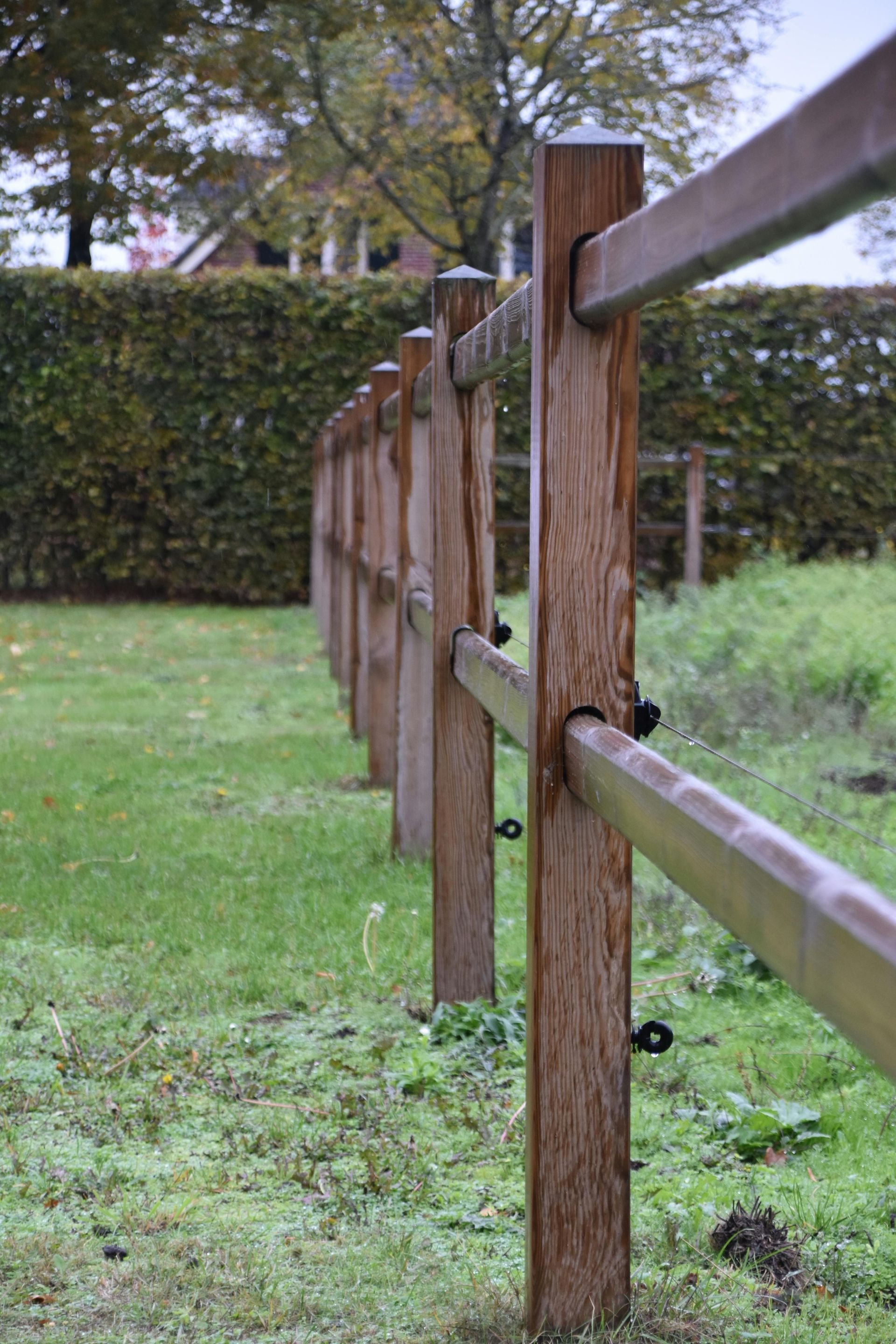
  • Can go 8–10 feet, depending on rail thickness
  • Often used in rural settings

Wood Type Matters in how far you space wood fencing posts

Different wood species vary in density, weight, flexibility, and long-term stability, all of which influence proper post spacing. Pressure-treated pine is the most commonly used fencing material due to its affordability and availability. It performs well at 8-foot spacing in stable soil, but because it can be more prone to warping and twisting over time—especially in lower grades—spacing posts slightly closer can improve long-term alignment. Redwood is naturally resistant to decay and insects, making it a premium option. It is slightly lighter than pressure-treated lumber, and spacing between 6 and 8 feet is generally appropriate depending on board thickness and grade. Cedar is lighter and easier to work with but softer structurally, which makes 6 to 7 feet a better target range for longevity and rigidity. In general, heavier boards require tighter spacing, and lower-grade lumber benefits from closer post intervals to prevent twisting, sagging, and rail deflection over time.

Soil Conditions Change Everything

Post spacing must always account for ground stability. Dense clay soil offers strong lateral support, which typically allows for standard 8-foot spacing when posts are set correctly. In sandy or loose soil, lateral resistance is weaker, so reducing spacing to 6 or 7 feet improves structural integrity. These soil types also require deeper post depth to compensate for reduced natural holding strength. Rocky soil can be difficult to excavate but often provides excellent anchoring once posts are properly set. In that case, standard spacing can remain if depth and concrete footing are sufficient. Expansive soil—common throughout the Sacramento region—poses a different challenge because it expands and contracts seasonally. In these conditions, posts should be set 30 to 36 inches deep, and tighter spacing between 6 and 7 feet significantly improves long-term stability. Improper spacing in unstable soil is one of the primary reasons fences begin leaning within three to five years.

Wind Load Considerations

Wind exposure is a major structural factor, particularly for solid privacy fencing. In open areas without natural wind barriers such as neighboring homes or mature trees, a privacy fence functions like a sail. The wider the spacing between posts, the more stress is placed on each post during wind events. Reducing spacing to 6 feet dramatically improves resistance and reduces the likelihood of blow-over or post shift. Corner posts and gate posts should never be installed at maximum spacing and should always be reinforced, as they absorb the highest structural loads in the fence system.

Cost Implications of Post Spacing

Closer spacing increases project cost because more posts, more concrete, and more labor are required. For example, a 100-foot fence installed at 8-foot spacing requires approximately 13 posts, whereas the same fence installed at 6-foot spacing requires approximately 17 posts. That difference can increase total cost by several hundred dollars depending on material and labor rates. However, the cost of repairing or replacing a prematurely failing fence due to improper spacing is significantly higher than installing it correctly from the outset. Post spacing is a structural investment, not simply a material calculation.

Professional Installation Standards

Experienced contractors adjust post spacing based on fence height, grade slope, gate placement, soil type, and the homeowner’s desired lifespan for the fence. A 6-foot fence behaves differently than an 8-foot fence, and sloped properties introduce additional structural stress. Proper installation includes setting posts a minimum of 24 to 36 inches deep, using concrete footings for anchoring, allowing for appropriate drainage slope, and ensuring correct rail attachment and bracing. Post spacing is only one component of structural integrity; depth, footing quality, and reinforcement are equally critical to long-term performance.

Final Answer: How Far Should Wood Fence Posts Be Spaced?

For most residential wood fences, 6 to 8 feet apart on center is the correct range. Six feet is recommended for maximum durability, softer soil conditions, taller fencing, or high-wind areas. Eight feet is acceptable for standard privacy fencing installed in stable ground with proper depth and footing. Solid wood panels should never exceed 8-foot spacing. If the goal is a fence that lasts 15 to 25 years instead of 5 to 10, spacing decisions directly impact performance.


LET US HELP YOU WITH YOUR WOOD FENCING NEEDS:

Fence spacing is not a one-size-fits-all decision. Soil composition, lumber grade, layout, wind exposure, and long-term expectations all factor into proper design. In the Sacramento area, understanding expansive soils and seasonal movement is essential for durability. Instead of estimating and risking structural failure, homeowners can rely on Summit Fence to install posts at the correct depth and spacing for a fence built to perform long term.

Share this article

Recent Posts

best gravel for fence posts, gravel under wood fence posts, fence post gravel drainage
By Lukas Wilmore February 8, 2026
Learn which gravel works best under wood fence posts, how much to use, and what to avoid for long-lasting fence stability and drainage.
concrete fence posts Sacramento,gravel vs concrete fence posts,wood fence installation guide
By Lukas Wilmore February 4, 2026
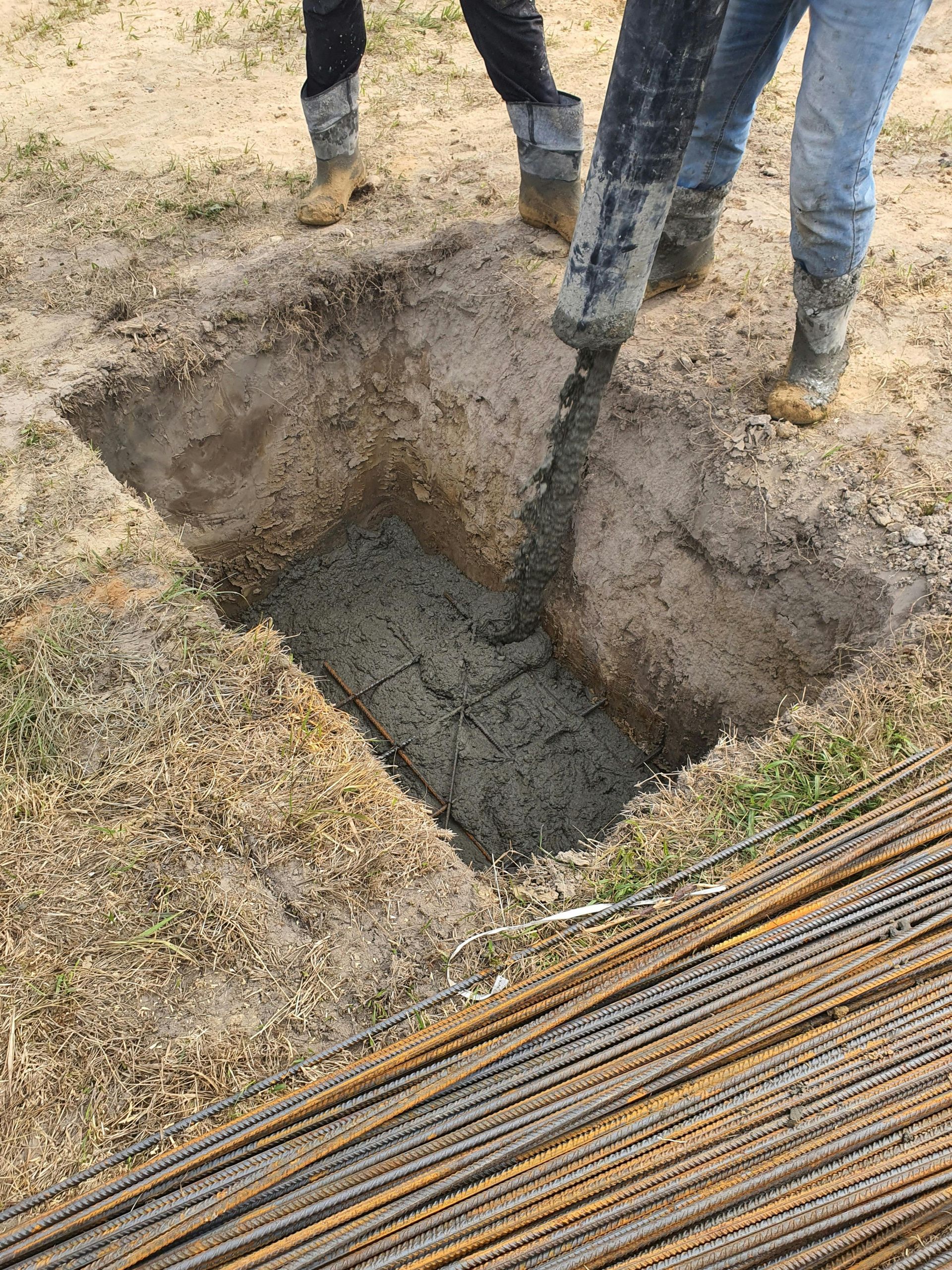
Unsure if wood fence posts need concrete? Our Sacramento-area guide explains when to use concrete versus gravel or foam based on soil type and fence height.

digging depth for fence posts
By Lukas Wilmore January 27, 2026
Learn how deep to set fence posts across Sacramento’s diverse soils and neighborhoods. Get expert tips on proper depth, tools, and materials for strong fences.
redwood wood durability,redwood fencing strength,redwood outdoor use
By Lukas Wilmore January 16, 2026
Explore how strong and durable redwood wood is for fencing, sheds, and outdoor structures, including lifespan, weather resistance, and long-term value.
cedar wood durability,cedar fencing strength,cedar outdoor use
By Lukas Wilmore January 16, 2026
Learn how strong and durable cedar wood is for fencing, sheds, and outdoor projects, including weather resistance, maintenance needs, and long-term performance.
fence maintenance scams,hoa fence maintenance,wood fence maintenance scams
By Lukas Wilmore January 14, 2026
Learn the top fence maintenance scams affecting homeowners and HOAs nationwide. Protect your fence investment by knowing what to watch for before signing.
commercial iron fencing scams,iron fence contractor fraud,commercial fencing mistakes
By Lukas Wilmore January 13, 2026
Learn the most common commercial iron fencing scams and how property owners can protect themselves before hiring a fencing contractor.
wood fencing scams,fence contractor scams,avoid fencing fraud
By Lukas Wilmore January 12, 2026
Learn how common wood fencing scams work and how homeowners can protect themselves before hiring a fence contractor.
history of iron fencing,metal fence materials,wrought iron vs ornamental iron
By Lukas Wilmore January 12, 2026
Learn the history of iron and metal fencing, from wrought iron to modern steel. Explore materials, styles, installation time, and long-term durability.
sacramento wood fence,wood fence stains sacramento,redwood vs cedar fencing
By Lukas Wilmore January 12, 2026
Compare wood fence materials and stains for Sacramento homes. Learn real costs, lifespan, and what performs best in local heat and sun.
Show More