

Zone 0 Home Retrofitting in Sacramento: Avoiding Costly Mistakes and Scams

March 20, 2026

Our previous article explained how California’s Zone 0 law is now being enforced and what it means for homeowners. You can read it here:

What is the New 0 Zone Fire Prevention Compliance Law


This article focuses on a different problem already emerging across Sacramento: overpriced, incorrect, or non-compliant retrofits. As demand increases, many contractors are applying outdated methods or upselling unnecessary full replacements. Understanding what proper Zone 0 retrofitting actually looks like helps you avoid overpaying, failing inspections, or having to redo the work entirely.

What Proper Zone 0 Retrofitting Actually Looks Like

Most homes do not need a full fence replacement. The goal of Zone 0 is targeted risk reduction within the first five feet of the structure—not rebuilding your entire property.


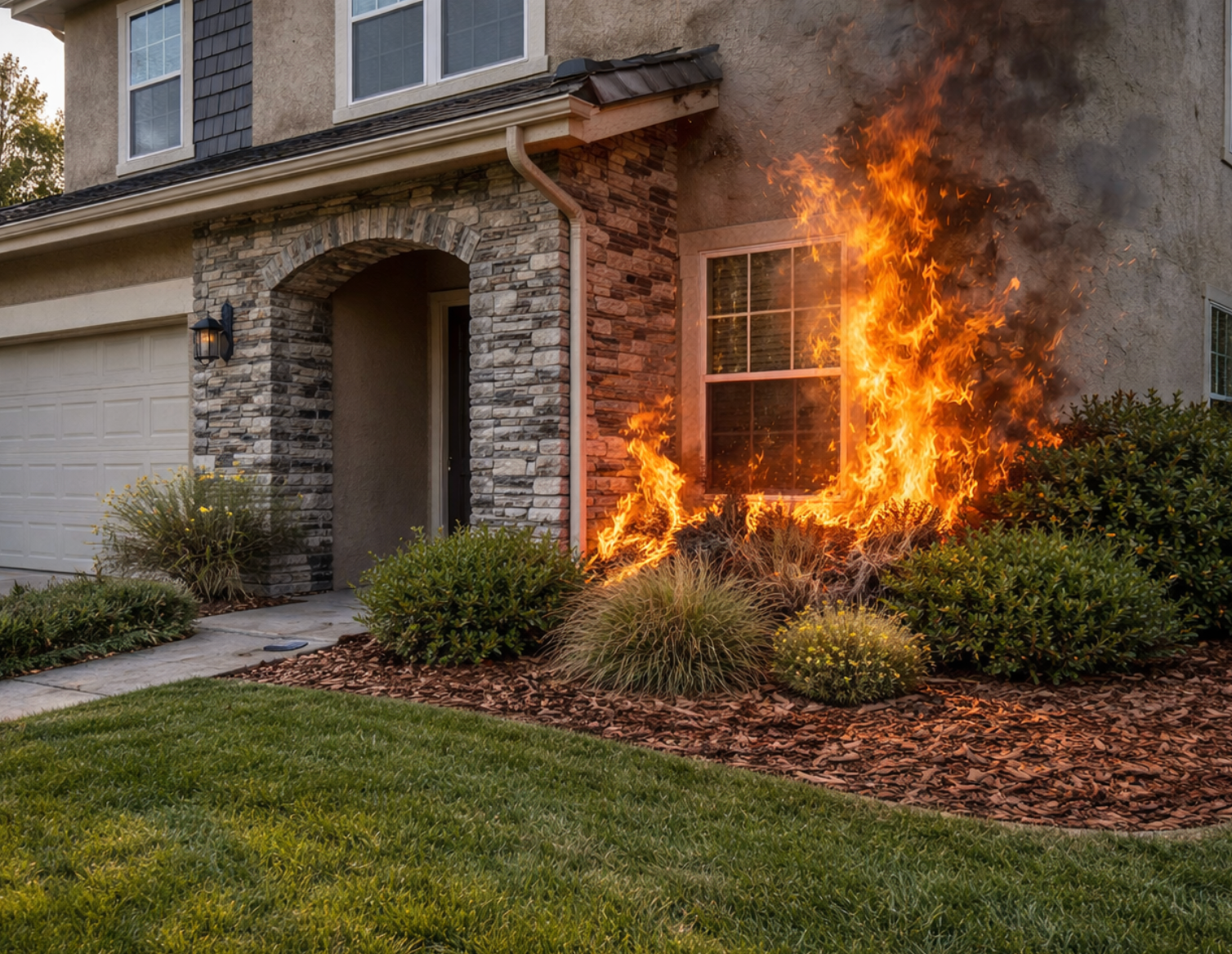
Nearly 90% of homes lost in wildfires are ignited by wind-blown embers, not by direct flames [2]. That means compliance is about eliminating ignition points at the structure—not overbuilding everywhere else.


A properly executed retrofit removes the “fuse effect,” where fire travels through fencing or mulch into the home. Done correctly, it’s a precise upgrade, not a full reconstruction.

Practical Retrofit Strategies

what to do how to do it
Replace the first 5–10 feet near the structure Where your fence connects to your home, transition to non-combustible materials such as steel, aluminum, masonry, or concrete. California retrofit guidance recommends extending these materials 5–10 feet from the structure to prevent flame spread[3]. Hybrid solutions—keeping the rest of your fence intact—are often the most efficient approach.
Create separation where possible If your fence touches your home, introducing a gap or installing a metal transition panel can stop fire progression. Even small separations significantly reduce risk and help meet compliance standards[2].
Replace combustible ground cover Zone 0 applies to the ground as well. Bark mulch, wood chips, and debris should be replaced with gravel, pavers, or concrete. For example, converting a 1,000 sq ft perimeter to gravel requires about 6 cubic yards, costing roughly $2,782 plus ~$100 for weed barrier[4].
Upgrade gates and structures Wood gates, arbors, and lattice features near the home should be replaced with non-combustible alternatives. These are often overlooked but can act as ignition points.

Pitfalls in Zone 0 Retrofitting

Service Red Flags in Zone 0 Retrofitting

Overbuilding Instead of Targeting

One of the most common issues right now is contractors recommending full fence replacement when only a small section near the structure needs modification. This inflates costs unnecessarily and often signals a lack of understanding of Zone 0 requirements.

Attaching Combustible Materials to the Structure

Wood fencing connected directly to siding, decks, or garages remains one of the most frequent compliance failures. This creates a direct ignition path and will not pass inspection under stricter enforcement.

Ignoring Ground-Level Risk

Leaving mulch or vegetation at the base of the fence undermines the entire retrofit. Embers ignite at ground level first, and this is where many failures occur—even when fencing materials are upgraded.

Poor Material Transitions

Mixing wood with metal or masonry without proper installation creates structural weaknesses and compliance gaps. A correct retrofit requires intentional transitions, not patchwork fixes.

Pricing Red Flags in Zone 0 Retrofitting

Pricing in the Sacramento market is already shifting due to increased demand, and this is where many homeowners are overpaying. Standard cedar fencing that historically ranged from $35–$55 per linear foot is now being quoted as high as $60–$85+, while fire-resistant systems such as steel, aluminum, or masonry can range from $80–$150+ per linear foot depending on design. In many cases, contractors are pushing full fence replacements when they aren’t necessary, significantly inflating project costs. In contrast, a strategic retrofit approach—focusing only on the areas required for Zone 0 compliance—keeps projects aligned with realistic budgets while still meeting regulatory standards.

Final Thoughts

Zone 0 compliance is already active, and the biggest risk for homeowners isn’t just wildfire—it’s making the wrong upgrade with the wrong contractor. Most properties don’t need full fence replacement. They need targeted, code-compliant improvements in the areas that matter most. Understanding what proper retrofitting looks like allows you to avoid overpaying, prevent failed inspections, and ensure your home is actually protected—not just “updated.”

The difference between a compliant system and an expensive mistake comes down to execution.

Additional and Helpful Articles about Zone 0

zone 0 landscaping mistakes sacramento, defensible space landscaping california, zone 0 compliance l
By Lukas Wilmore March 20, 2026
Top Zone 0 landscaping mistakes in Sacramento and how to fix them to stay compliant and reduce fire risk.
zone 0 fencing sacramento,california zone 0 law,fire resistant fencing sacramento
By Lukas Wilmore March 20, 2026
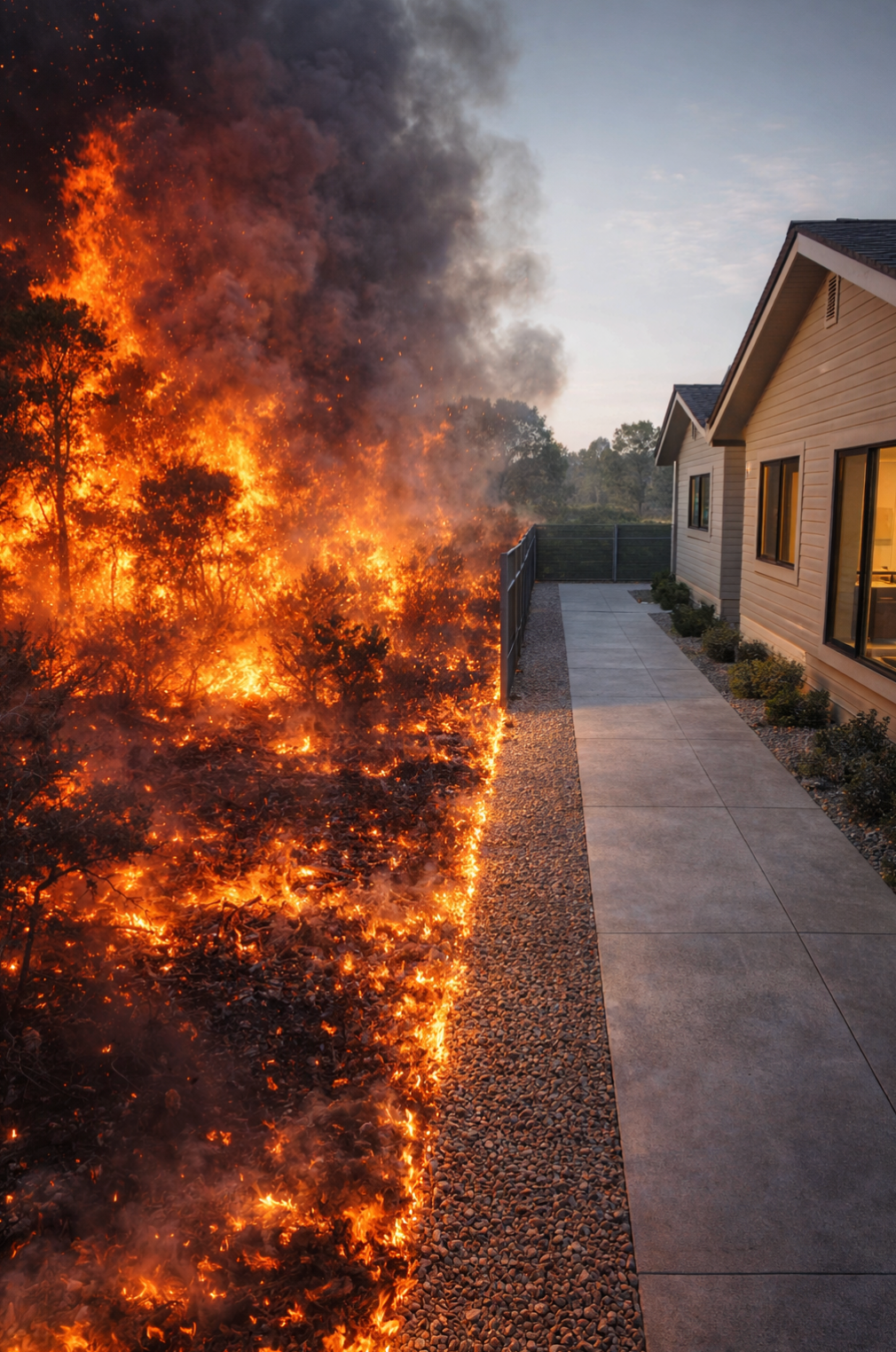
Zone 0 fencing rules in Sacramento. Learn costs, compliance, and how to avoid overpaying or failing inspection.
Share this article

Recent Posts

zone 0 landscaping mistakes sacramento, defensible space landscaping california, zone 0 compliance l
By Lukas Wilmore March 20, 2026
Top Zone 0 landscaping mistakes in Sacramento and how to fix them to stay compliant and reduce fire risk.
zone 0 fencing sacramento,california zone 0 law,fire resistant fencing sacramento
By Lukas Wilmore March 20, 2026
Zone 0 fencing rules in Sacramento. Learn costs, compliance, and how to avoid overpaying or failing inspection.
wood fence post spacing,how far apart should fence posts be, fence post spacing for privacy fence
By Lukas Wilmore February 27, 2026
Learn how far apart wood fence posts should be based on soil, wood type, wind, and cost. Expert spacing guide for long-lasting fences.

best gravel for fence posts, gravel under wood fence posts, fence post gravel drainage
By Lukas Wilmore February 8, 2026
Learn which gravel works best under wood fence posts, how much to use, and what to avoid for long-lasting fence stability and drainage.
concrete fence posts Sacramento,gravel vs concrete fence posts,wood fence installation guide
By Lukas Wilmore February 4, 2026
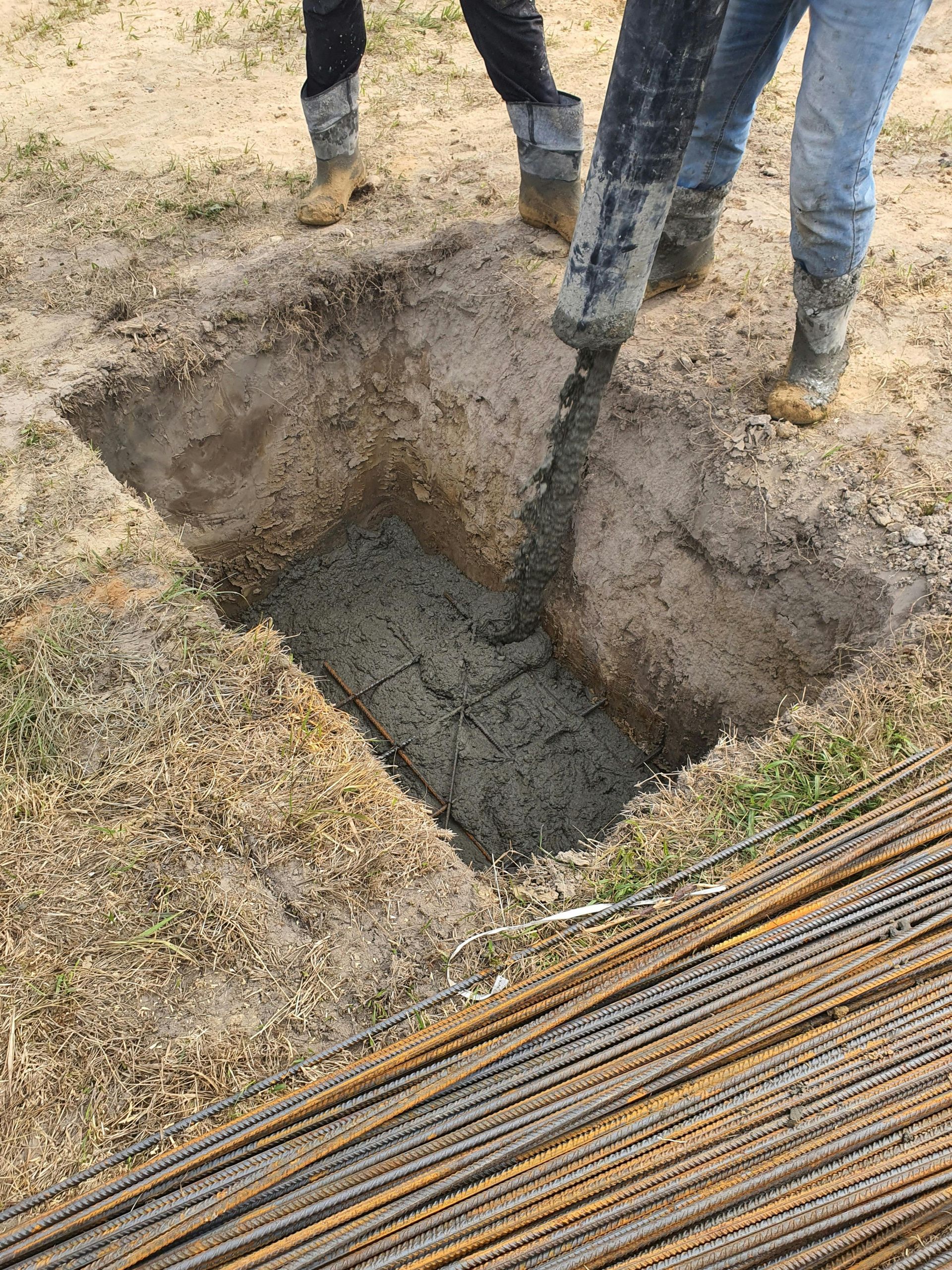
Unsure if wood fence posts need concrete? Our Sacramento-area guide explains when to use concrete versus gravel or foam based on soil type and fence height.

digging depth for fence posts
By Lukas Wilmore January 27, 2026
Learn how deep to set fence posts across Sacramento’s diverse soils and neighborhoods. Get expert tips on proper depth, tools, and materials for strong fences.
redwood wood durability,redwood fencing strength,redwood outdoor use
By Lukas Wilmore January 16, 2026
Explore how strong and durable redwood wood is for fencing, sheds, and outdoor structures, including lifespan, weather resistance, and long-term value.
cedar wood durability,cedar fencing strength,cedar outdoor use
By Lukas Wilmore January 16, 2026
Learn how strong and durable cedar wood is for fencing, sheds, and outdoor projects, including weather resistance, maintenance needs, and long-term performance.
fence maintenance scams,hoa fence maintenance,wood fence maintenance scams
By Lukas Wilmore January 14, 2026
Learn the top fence maintenance scams affecting homeowners and HOAs nationwide. Protect your fence investment by knowing what to watch for before signing.
commercial iron fencing scams,iron fence contractor fraud,commercial fencing mistakes
By Lukas Wilmore January 13, 2026
Learn the most common commercial iron fencing scams and how property owners can protect themselves before hiring a fencing contractor.
Show More