

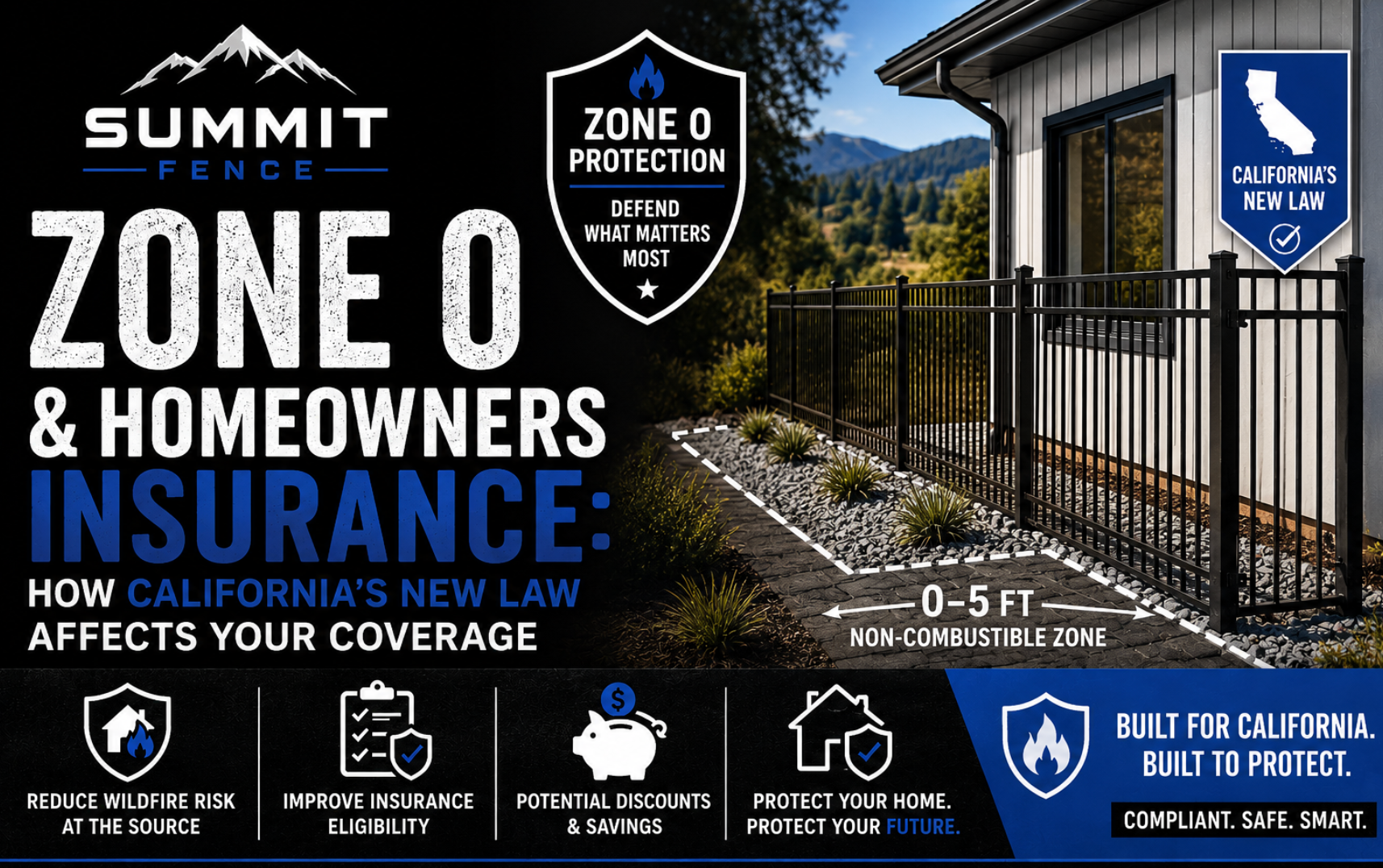
Zone 0 and Homeowners Insurance: How California’s New Law Affects Your Coverage
May 27, 2026
California’s new Zone 0 law is reshaping wildfire protection and insurance for homeowners. When Governor Newsom signed Assembly Bill 3074 and issued Executive Order N‑18‑25, the state required the development and enforcement of an “ember‑resistant” Zone 0 standard by December 31, 2025. The regulation focuses on the first five feet around a structure—the area where wind‑blown embers tend to accumulate and ignite homes. This article explains how Zone 0 compliance intersects with homeowners' insurance, outlines new laws providing grants and discounts, and offers practical steps to protect both your property and your policy.
Understanding Zone 0 and Why Insurers Care

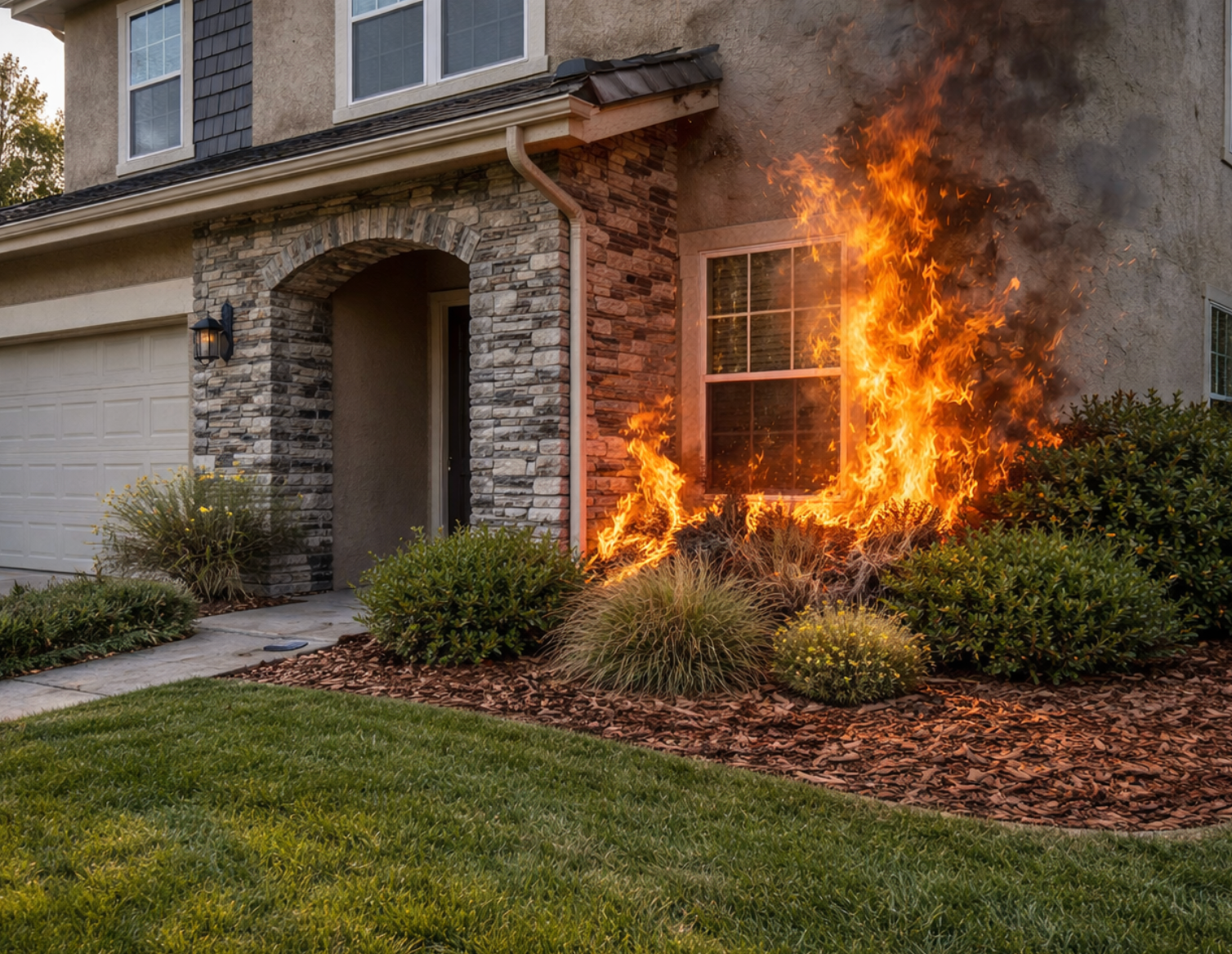
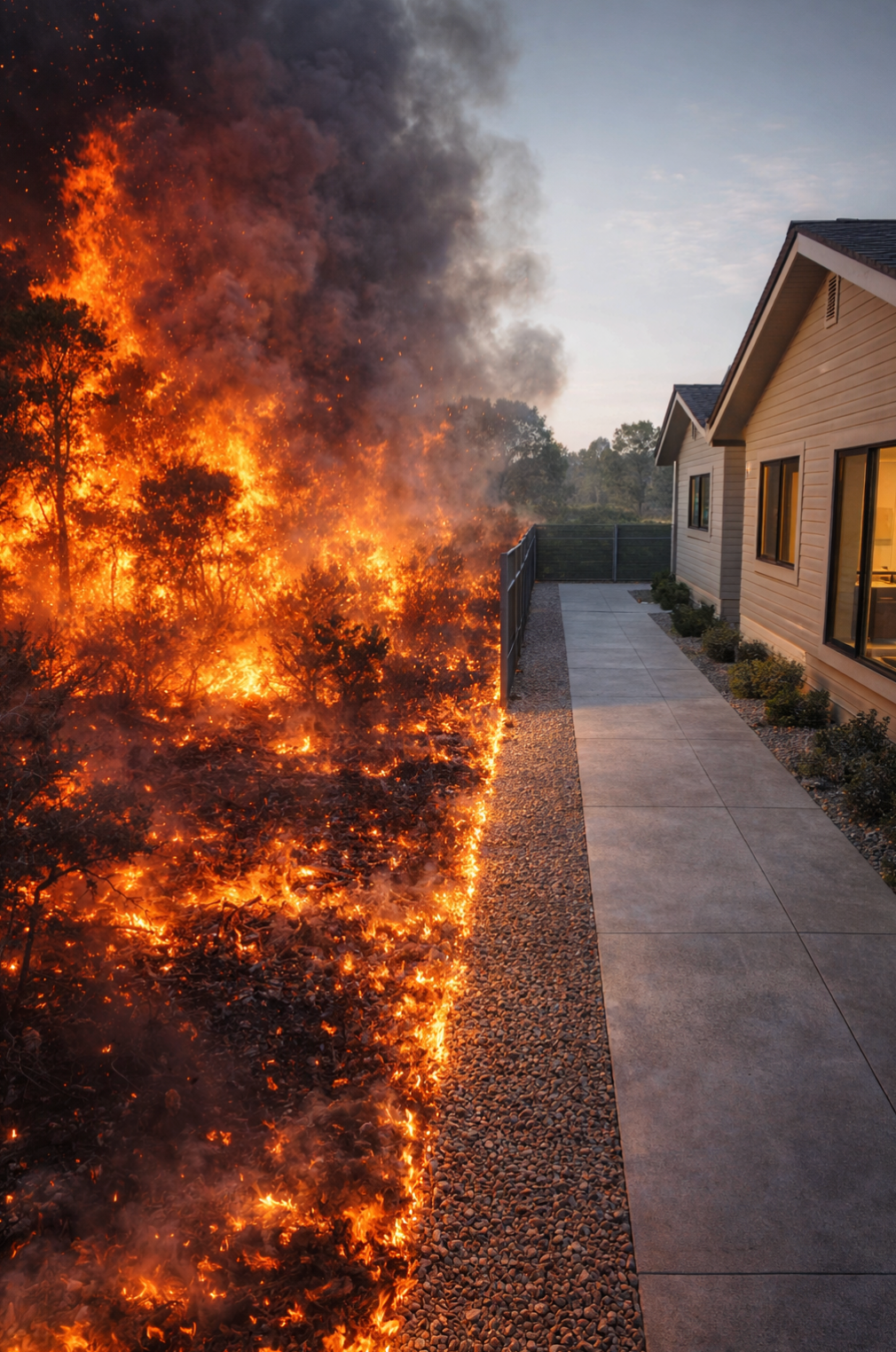
Zone 0 refers to the non‑combustible buffer within 0–5 feet of a home. Cal Fire and other agencies emphasize that most wildfire losses begin when embers ignite materials immediately next to a structure. Colorado State Forest Service’s Home Ignition Zone checklist advises homeowners to remove flammable debris from a five‑foot radius, create at least six inches of vertical clearance between soil and siding, and replace combustible fencing or gates within five feet of the home. It also recommends raking away pine needles and wood chips around foundations and decks. These measures are not cosmetic; they reduce ignition points and can make the difference between a house that survives and one that does not.
For insurers, wildfire risk is a financial calculation. Companies evaluate how likely a home is to burn and whether mitigation efforts lower that risk. Evidence from past fires shows that eliminating combustibles near the house dramatically decreases losses. By focusing on Zone 0, homeowners address the most common source of ignition, and insurers have started to reflect that in underwriting decisions. Failure to meet these standards may result in higher premiums or nonrenewal, while documented risk reduction can improve eligibility and potentially lower rates.
Designations and Discounts: The Role of Wildfire Prepared Home
One of the most recognized programs linking mitigation to insurance is Wildfire Prepared Home, developed by the Insurance Institute for Business & Home Safety (IBHS). The program evaluates a property based on research‑based requirements, such as using non‑combustible materials and maintaining a 0–to 5‑foot non‑combustible zone. The FAQs explain that the designation lasts three years and that adding combustible materials within the 0–5‑foot zone jeopardizes eligibility. Homeowners must also undergo photo‑based annual reviews to prove ongoing compliance. If a setback is less than five feet, owners may need to coordinate with neighbors or an HOA to achieve Zone 0; otherwise, the property may not qualify.

Regarding insurance savings, IBHS notes that discounts are not guaranteed and vary by insurer and state, though many insurers do recognize the designation. Beyond potential premium reductions, the designation provides documented risk reduction, potential improvements in insurance eligibility, and increased resale appeal. In other words, a Wildfire Prepared Home certificate may not automatically lower your rate, but it signals to insurers that your home is a lower‑risk property deserving of coverage.
Insurance Preparedness: Protecting Your Financial Safety Net
Even with compliance and new laws, wildfire insurance in California remains challenging. CAL FIRE’s Insurance Preparedness guide recommends an annual check‑up with your agent and updating your policy after any home improvement. Make sure your policy includes extended replacement cost, annual inflation adjustments, increased living expenses coverage, and building‑code coverage. Keep homeowners' insurance active even if your mortgage is paid off, and consider renters insurance if you are leasing. Document your belongings with a video home inventory and store records offsite or in the cloud. These steps help ensure you have adequate coverage to rebuild after a loss and provide the documentation insurers require when processing claims.
Handling Nonrenewals and Shopping for Coverage
Insurers have been reducing their exposure in wildfire‑prone regions, resulting in nonrenewals or drastic premium hikes. If you receive a nonrenewal notice, CAL FIRE suggests first asking your carrier what risk‑mitigation steps might persuade them to continue coverage. If they stand firm, shop around; different companies have different underwriting thresholds. Independent insurance brokers can offer policies from multiple carriers, whereas captive agents represent only one insurer. Should private insurers decline coverage, explore the California FAIR Plan, the state’s insurer of last resort, and consider pairing it with a Difference in Conditions (DIC) policy to fill gaps. Use the insurance finder tool from the California Department of Insurance and contact the CDI consumer hotline for assistance.
Making Your Home a Low‑Risk Bet: Practical Tips for Zone 0 Compliance
Implementing Zone 0 goes beyond clearing brush. Use these science‑backed strategies to reduce ignition points and demonstrate mitigation to insurers:

- Remove combustible ground cover: Rake away all pine needles, dry leaves, and wood chips within a five‑foot radius of your foundation, deck, and attached structures. Replace mulch with gravel or stone where possible. Clean gutters and roofs regularly so embers have nothing to ignite.
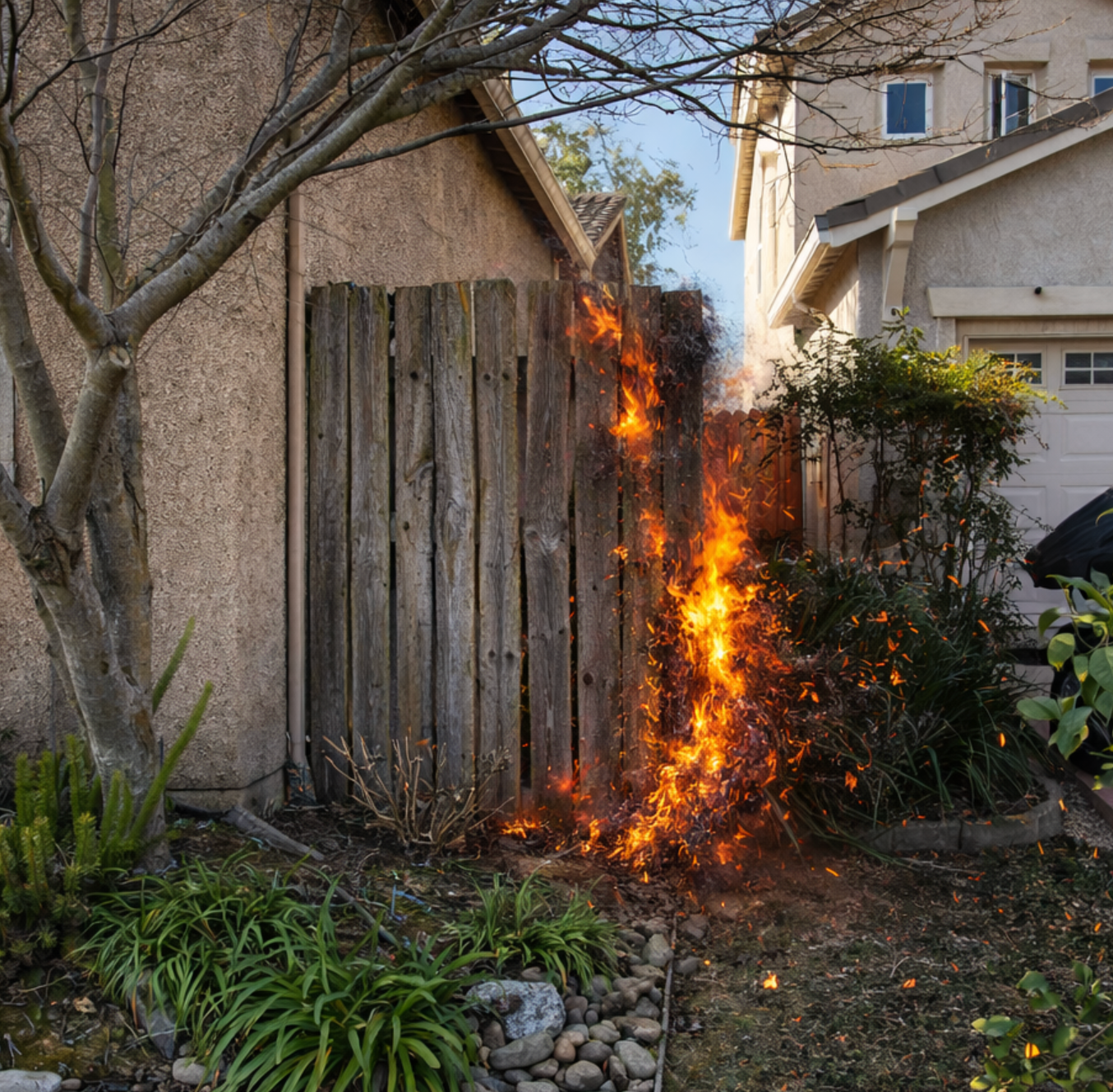
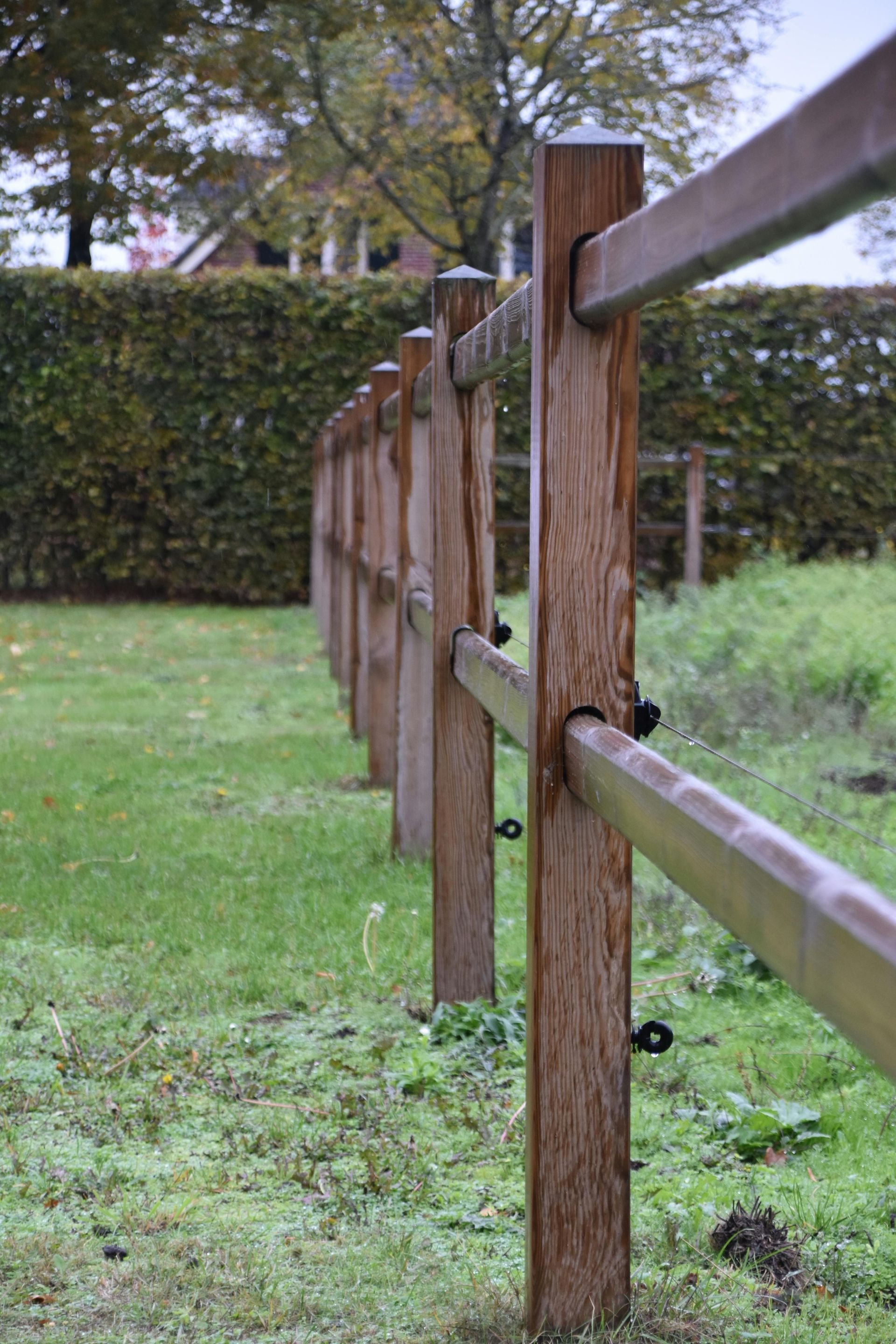
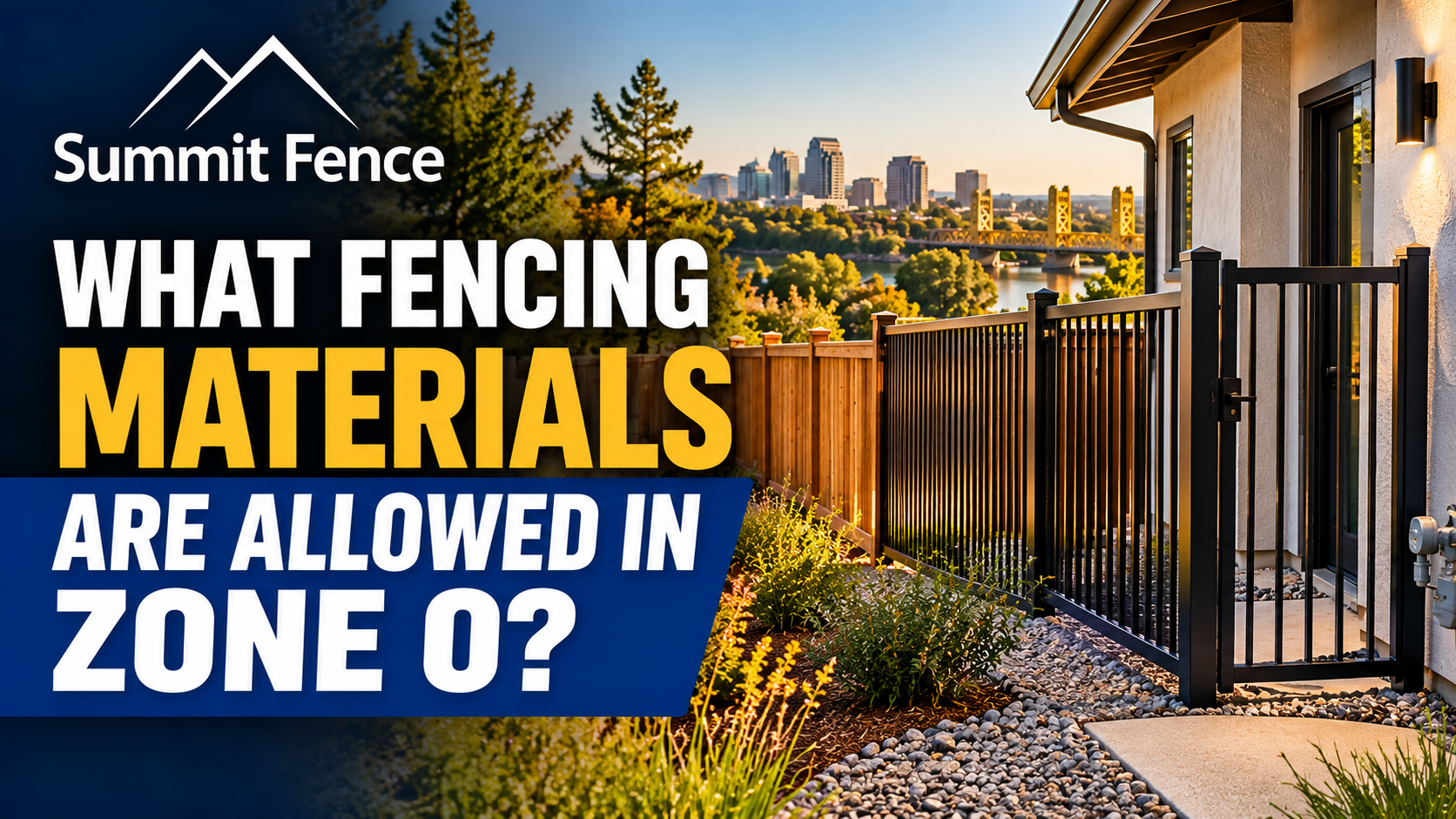
- Upgrade fencing and gates: Replace or retrofit wood fencing within five feet of the home with non‑combustible materials such as steel, aluminum, or masonry. Even if you keep the rest of a wood fence, a five‑foot fire‑resistant transition can stop flames from reaching the structure. This aligns with California’s emphasis on targeted retrofits rather than full replacements.
- Create vertical and horizontal clearance: Maintain at least six inches of clearance between the ground and your siding. Trim tree branches six feet up from the ground and remove limbs that overhang roofs. Space shrubs and trees to prevent fire from climbing or spreading laterally. The Colorado checklist provides formulas: for example, a five‑foot shrub needs 15 feet of clearance to the lowest tree branch.
- Harden structures: Use a Class A fire‑rated roof; install tempered glass or multiple‑pane windows; and screen attic, roof, and foundation vents with 1/8‑inch metal mesh. These improvements reduce ember intrusion and may be required for insurance discounts once the Safer from Wildfires rules are updated. Consider the cost of these upgrades as an investment; new legislation (AB 888) may provide grants to offset expenses.
- Plan for ongoing maintenance: Zone 0 is not a one‑time project. Leaves drop, shrubs grow and fences age. Schedule seasonal inspections and keep receipts and photos as proof of compliance. Annual maintenance is also required if you seek the Wildfire Prepared Home designation.
HOA Tips to Consider
Condo or subdivision restrictions can complicate compliance with Zone 0. IBHS notes that you may need HOA approval to modify landscaping within the 0–5‑foot non‑combustible zone and that some associations are updating guidelines to support wildfire risk reduction. If your setback is less than five feet to the property line, coordinate with neighbors to achieve the required buffer; otherwise, the property may not be eligible for certain designations. Document these communications—insurers and inspectors want to see that you have made a good‑faith effort to comply.
Insurance Agent Tips
When discussing wildfire mitigation with your agent or broker,
lead with facts and documentation. Provide photos of your non‑combustible buffer, receipts for materials like gravel or metal fencing, and any certificates, such as the Wildfire Prepared Home designation. Ask specifically whether the carrier offers discounts for home hardening or defensible space improvements and reference California’s AB 1 requirement for updated discount regulations. If your insurer is not yet recognizing your efforts, ask when they will update their underwriting criteria in response to the new laws. Even if discounts are not available today, establishing a record of mitigation may strengthen your position in future negotiations or when shopping for a new policy.
Final Thoughts
Zone 0 is more than a technical term; it’s a paradigm shift in how Californians protect their homes and secure insurance. By clearing the first five feet around your house, replacing combustible fences, and embracing science‑backed home‑hardening measures, you make your property a lower‑risk bet in the eyes of insurers. New laws (AB 888, SB 429, and AB 1) are beginning to reward these efforts with grants and updated discount regulations. Programs like Wildfire Prepared Home offer formal recognition and may improve insurance eligibility. At the same time, CAL FIRE advises maintaining robust coverage, staying proactive about nonrenewals, and using the FAIR Plan as a safety net.
In short, now is the time to act. Zone 0 compliance protects both your home and your wallet. Start by clearing combustible materials, upgrading vulnerable features, and documenting every improvement. Then work with your insurance agent to ensure your policy reflects these efforts. The road to a fire‑resilient California goes through your own front yard, and taking the first step today could save you both heartache and hard‑earned money tomorrow.