

Latest Sacramento Fires
THE GOAL OF THIS ARTICLE:
With the new Zone-0 regulations taking effect, Summit Fence has created this bi-weekly blog to update homeowners, property managers, ranchers, and businesses on the latest controlled, accidential, and arson-based fires in the greater Sacramento area.
November 2026 Fire Updates
November 2026 — Sacramento Fire Season Shifts From Wildfires to Structure and Prevention Risks
By mid-November, the greater Sacramento region had not experienced another major CAL FIRE-listed vegetation fire comparable to the fires seen during the summer. However, several local structure fires continued to demonstrate how quickly flames can move between garages, fencing, attics, and neighboring homes.
November also reminded us that wildfire prevention doesn't stop when temperatures cool. Agencies have begun using prescribed fire to reduce vegetation before the next fire season, while California's Zone 0 regulations continue through the final state review process.
November 15, 2026 — Grizzly Flats: Prescribed Fire Used to Remove Dry Vegetation
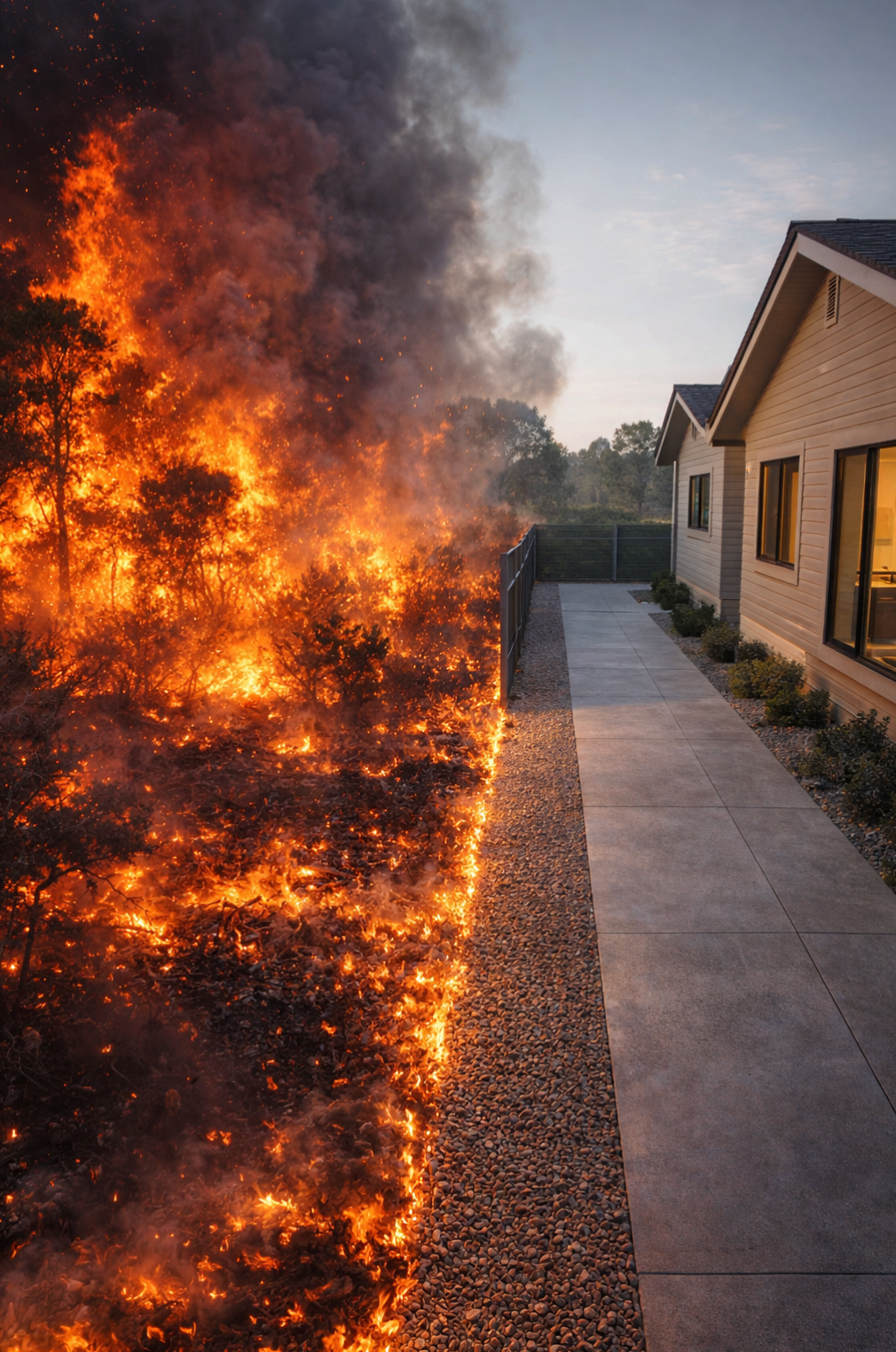
Residents near Grizzly Flats in El Dorado County reported seeing substantial smoke and flames on November 15. The Eldorado National Forest confirmed the activity was part of a planned prescribed burn, not an uncontrolled wildfire. Crews intentionally burned dry brush and grass to reduce vegetation that could become fuel during a future wildfire. Officials described the work as an important part of Grizzly Flats' continued recovery following the destructive 2021 Caldor Fire.
Why this matters for defensible space
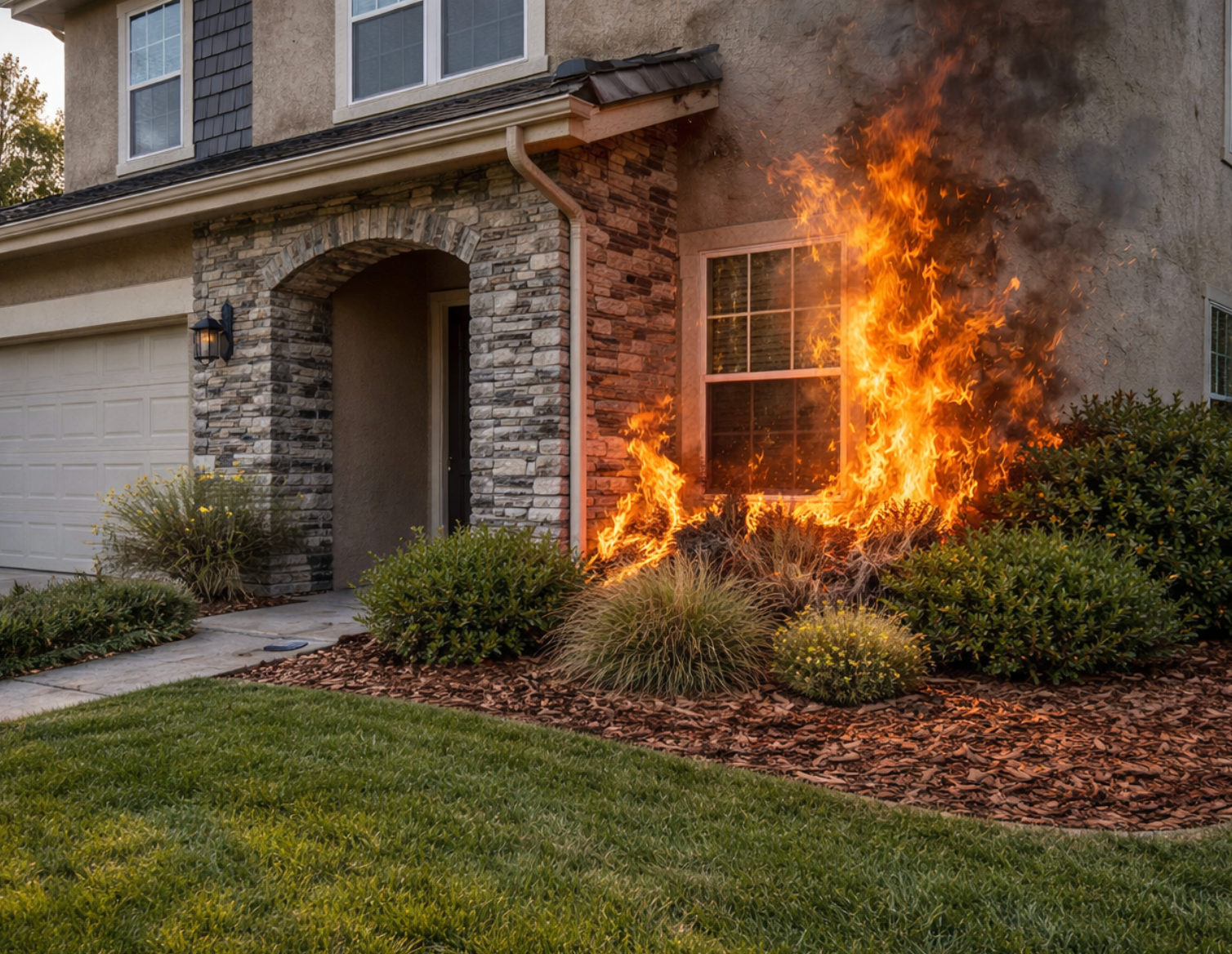
Prescribed fire demonstrates the same principle homeowners use when maintaining defensible space: reduce available fuel before an ignition occurs. For homeowners, that means removing accumulated vegetation and evaluating whether combustible landscaping, fencing, sheds or other materials create an uninterrupted path toward the house.
Homeowner takeaway
Wildfire preparation should not end when summer does. Fall and winter can be ideal times to inspect fencing, remove dead vegetation, and plan Zone 0 improvements before the next dry season.
Fire type: Prescribed burn
Zone 0 relevance: Moderate
Homeowner violation: Not applicable
Source: KCRA 3
https://www.kcra.com/article/grizzly-flats-fire-prescribed-burn-eldorado-national-forest/74434699
November 11, 2026 — Rocklin Home Destroyed and Threatens Nearby Wildland
A Rocklin home near the 4900 block of Sierra College Boulevard was fully involved when firefighters arrived early on November 11. Firefighters extinguished the fire before it spread into nearby wildland or neighboring homes. The location created an additional challenge because crews had to run approximately 600 feet of hose to reach the nearest fire hydrant. Two days later, Rocklin police announced they were seeking a person of interest seen near this fire and another fire reported along Sierra College Boulevard on October 25. Authorities had not established that the individual caused either fire.
Why this matters for defensible space
This property was located where a structure fire could have become a vegetation fire. Zone 0 and broader defensible-space practices work in both directions. They can help reduce wildfire exposure approaching a home, but reducing combustible connections around a structure can also make it harder for a structure fire to spread outward into surrounding vegetation.
Homeowner takeaway
Properties bordering open land should consider fire spread in both directions. Inspect vegetation, fencing, and combustible materials between the home and neighboring grassland or undeveloped areas.
Fire type: Under investigation
Zone 0 relevance: Moderate to High
Homeowner violation: No
Sources:
CBS Sacramento
https://www.cbsnews.com/sacramento/news/rocklin-house-fire-sierra-college-blvd/
November 10, 2026 — Carmichael Duplex Fire Spreads to Neighboring Home
A fire in the 6000 block of Rye Way in Carmichael damaged multiple residential units on November 10. Sacramento Metropolitan Fire District crews arrived to find a heavily involved duplex. Flames extended from the original structure to a neighboring home before firefighters brought the incident under control. Three families were ultimately displaced, and several pets were killed. The cause remained under investigation, although officials said there was no indication at the time that the fire was intentionally set.
Why this matters for defensible space
Carmichael contains many neighborhoods where homes, fences, and side yards are located relatively close together. Although investigators have not identified exterior fencing or vegetation as the cause of this fire, the incident shows how little separation can exist between one structure and the next once a residential fire takes hold. Zone 0 cannot prevent every structure fire, but reducing combustible materials immediately surrounding buildings can eliminate some potential pathways between neighboring properties.
Homeowner takeaway
Closely spaced homes deserve particular attention. Inspect side yards and property lines for wood fencing, vegetation, sheds, and stored materials that could potentially connect one structure to another.
Fire type: Under investigation
Zone 0 relevance: Moderate
Homeowner violation: No
KCRA 3
https://www.kcra.com/article/sacramento-county-two-house-fire-rye-way/74393883
CBS Sacramento
https://www.cbsnews.com/sacramento/news/carmichael-duplex-fire-spreads-to-home/
November 9, 2026 — Sacramento Garage Fire Spreads Along Fence and Into Attic
A November 9 fire on Caravaggio Circle in Sacramento provides another significant local example of how fire can move through multiple parts of a residential property. Sacramento firefighters were initially dispatched for a garage fire. When crews arrived, flames had already spread through the first and second floors and into the attic. CBS Sacramento also reported that fire was burning along a fence beside the home. Because the houses in this neighborhood are positioned close together, firefighters were concerned that the flames could spread to adjacent properties. Three residents escaped safely, but two dogs died. Investigators believe the fire began in the garage, although intense fire damage prevented them from determining the exact ignition source.
Why this matters for defensible space
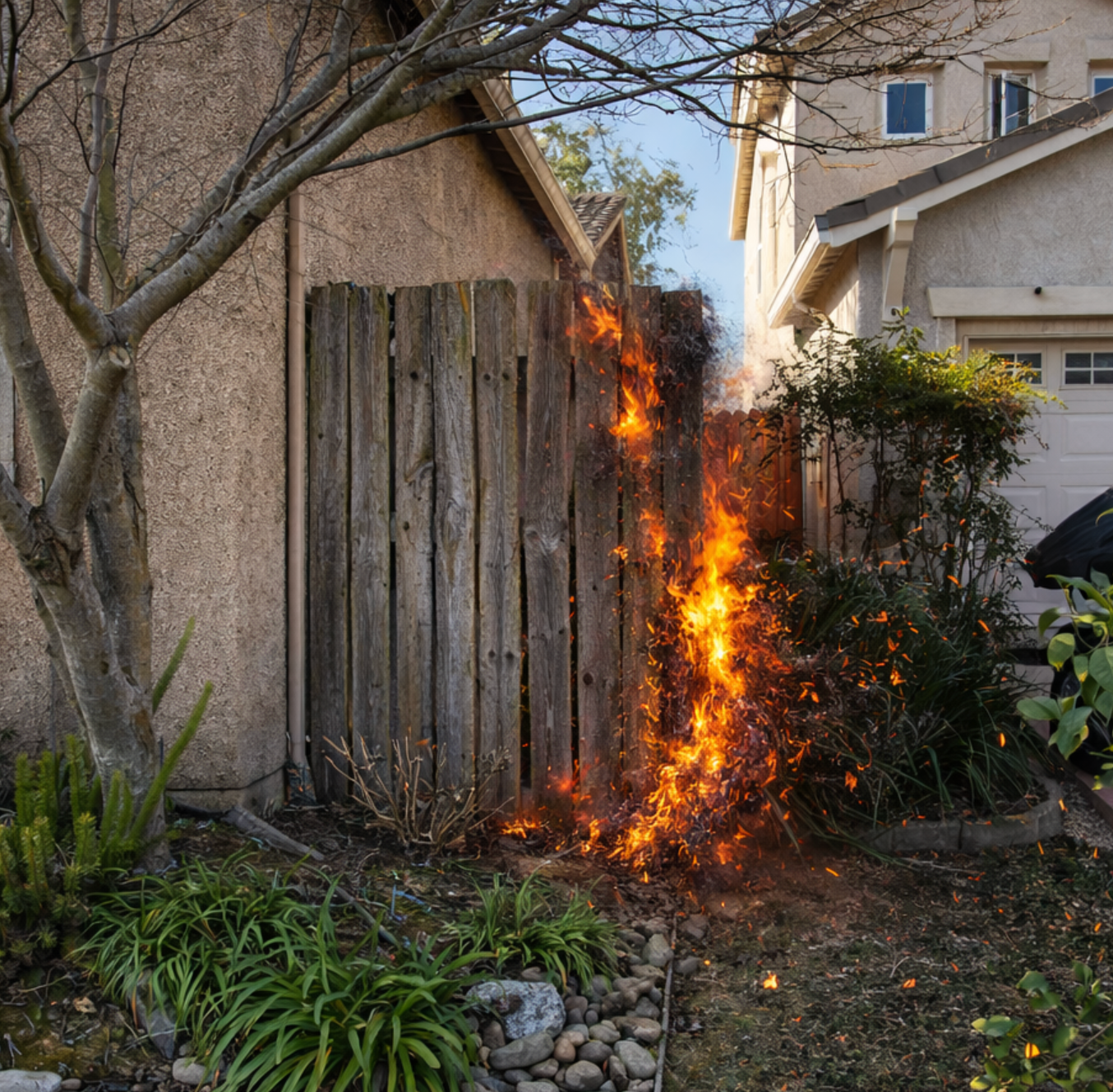
This incident has especially strong Zone 0 relevance because several elements California's new regulations are intended to address were present in the same fire environment: a structure, garage, fence, and nearby homes. The available evidence does not establish that the fence caused the fire or that the homeowner violated any defensible-space requirement. It shows that once a garage fire is established, nearby combustible materials and closely spaced structures can become part of the fire-spread environment. It also closely resembles the July 9 Folsom incident, where a fire involving a side yard and fence spread into the garage and attic.
Homeowner takeaway
Garage-side fences deserve particular attention. If a wood fence runs directly into the house or garage, evaluate whether a noncombustible transition or metal gate could break the combustible connection before it reaches the structure. This is precisely the type of fence-to-home relationship California's developing Zone 0 regulations are intended to address.
Fire type: Ignited in garage, Human or Electrical Source unknown
Zone 0 relevance: Very High
Homeowner violation: Not established
Sources:
CBS Sacramento
https://www.cbsnews.com/sacramento/news/sacramento-house-fire-caravaggio-circle/
KCRA 3
https://www.kcra.com/article/sacramento-house-fire-caravaggio-circle/74377030
October 2026 Fire Updates
October 2026 Zone 0 Regulatory Update — California Approves New Fence and Gate Requirements
California's Zone 0 rules took a major step forward on August 19, 2026, when the California Board of Forestry and Fire Protection approved the state's first Zone 0 defensible-space regulations.
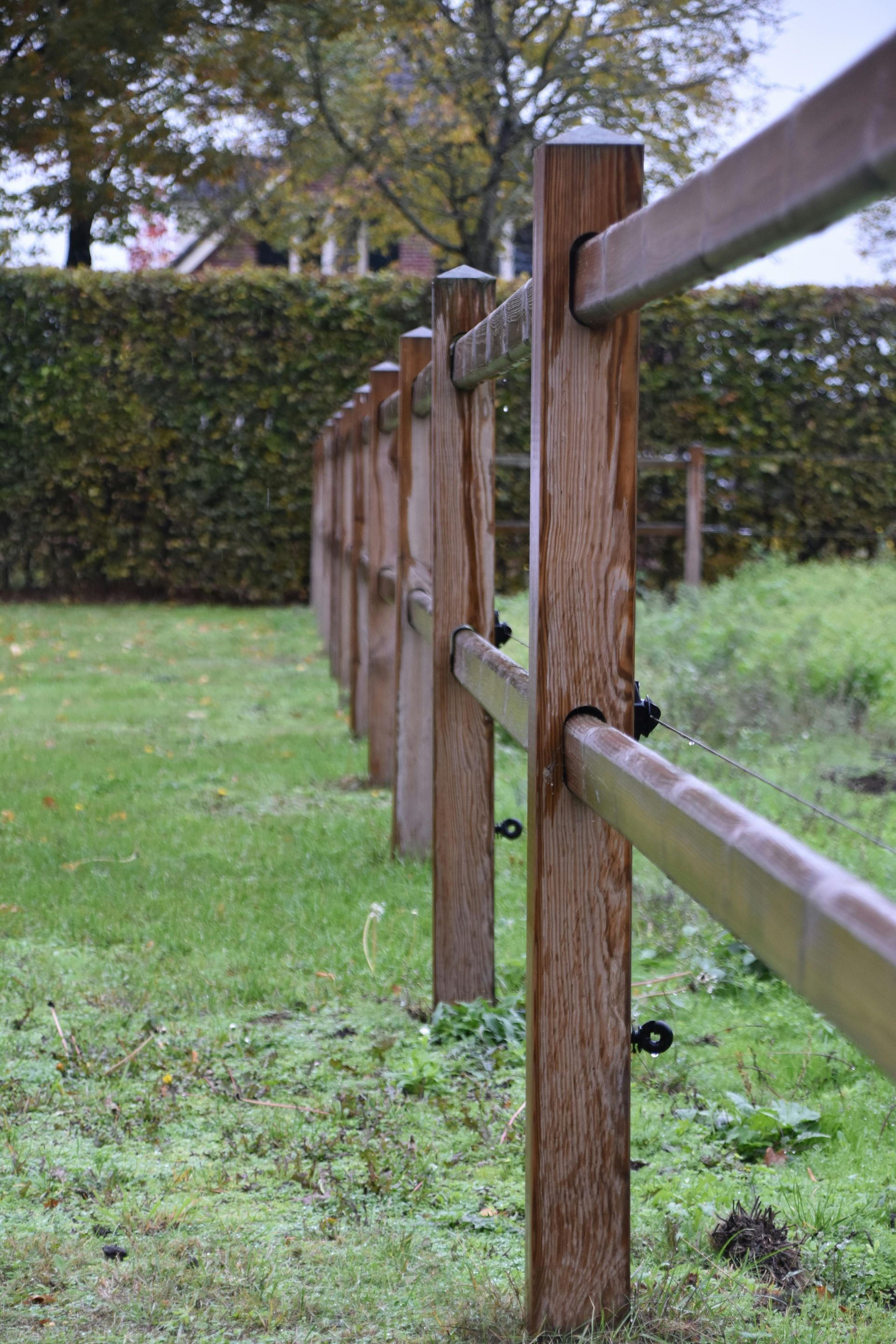
The regulations focus specifically on the first five feet surrounding homes and structures and are particularly important for fencing. Under the approved rules, builders should not construct new combustible fences and gates within Zone 0. Where fencing connects directly to a home, the regulations call for a five-foot noncombustible section. A metal gate is specifically identified as one potential way to create this transition.
Existing homes will receive a phased implementation period. Phase 2 includes fence, gate, and certain outbuilding requirements, which local jurisdictions will implement within five years of the regulation's effective date. However, the regulations are not yet fully effective statewide. As of October 15, 2026, the Board reports that it is still working with the Office of Administrative Law on final review. The California Secretary of State must also officially publish the regulations.
Why this matters for Sacramento homeowners
For homeowners with wood fencing running directly into the side of a house or garage, California's emerging standard now provides much clearer direction: interrupt that combustible pathway before it reaches the structure. This does not necessarily mean replacing an entire wood fence. In many cases, the relevant portion may be the final section approaching the home, potentially combined with a noncombustible metal gate.
Zone 0 relevance: Extremely high
Current regulatory status: Board approved; final state review pending
Source: California Board of Forestry and Fire Protection
https://bof.fire.ca.gov/projects-and-programs/defensible-space-zones-0-1-and-2/
September 2026 Fire Updates
October 2026 Zone 0 Regulatory Update — California Approves New Fence and Gate Requirements
California's Zone 0 rules took a major step forward on August 19, 2026, when the California Board of Forestry and Fire Protection approved the state's first Zone 0 defensible-space regulations.
The regulations focus specifically on the first five feet surrounding homes and structures and are particularly important for fencing. Under the approved rules, builders should not construct new combustible fences and gates within Zone 0. Where fencing connects directly to a home, the regulations call for a five-foot noncombustible section. A metal gate is specifically identified as one potential way to create this transition.
Existing homes will receive a phased implementation period. Phase 2 includes fence, gate, and certain outbuilding requirements, which local jurisdictions will implement within five years of the regulation's effective date. However, the regulations are not yet fully effective statewide. As of October 15, 2026, the Board reports that it is still working with the Office of Administrative Law on final review. The California Secretary of State must also officially publish the regulations.
Why this matters for Sacramento homeowners
For homeowners with wood fencing running directly into the side of a house or garage, California's emerging standard now provides much clearer direction: interrupt that combustible pathway before it reaches the structure. This does not necessarily mean replacing an entire wood fence. In many cases, the relevant portion may be the final section approaching the home, potentially combined with a noncombustible metal gate.
Zone 0 relevance: Extremely high
Current regulatory status: Board approved; final state review pending
Source: California Board of Forestry and Fire Protection
https://bof.fire.ca.gov/projects-and-programs/defensible-space-zones-0-1-and-2/
September 30, 2026 — Herald: Clay Fire Burns 16 Acres in Sacramento County
The Clay Fire began September 3 near Clay East Road in Herald in southern Sacramento County. The vegetation fire grew to approximately 16 acres before firefighters stopped its forward progress.
CAL FIRE, Sacramento Metropolitan Fire District, and Herald Fire Protection District responded. The fire reached about 95% containment later that day and 98% containment by October 1.
The cause remained under investigation.
Why this matters for defensible space
Herald and the rural portions of southern Sacramento County contain a mix of homes, agricultural land, dry vegetation, fencing, and accessory structures. A 16-acre fire may seem small compared with California's largest wildfires, but a fast-moving vegetation fire does not need to reach thousands of acres to threaten an individual property.
Homeowner takeaway
Rural and semi-rural property owners should evaluate how dry grass and vegetation connect to fences, gates, sheds, and homes. Breaking the fuel path between open vegetation and the structure is a fundamental purpose of defensible-space planning.
Cause: Under investigation
Zone 0 relevance: Moderate to high
Confirmed homeowner violation: No
Source: CAL FIRE:
https://www.fire.ca.gov/incidents/2026/9/30/clay-fire/
September 21, 2026 — Yolo County: Cotton Fire Burns 40 Acres Near Esparto
The Cotton Fire began near County Road 25 and County Road 86A southwest of Esparto on September 21. CAL FIRE initially reported the vegetation fire at approximately four acres with a moderate rate of spread. It ultimately grew to approximately 40 acres before being fully contained on September 22.
The cause remained under investigation.
Why this matters for defensible space
The Esparto area demonstrates the wildfire exposure common in communities where homes and agricultural or open land meet. Dry grass can carry fire rapidly across open ground. Once it reaches developed property, fences, vegetation, sheds, equipment, and other combustible materials can potentially provide additional pathways toward structures.
Homeowner takeaway
Homeowners on larger lots should look beyond the five feet immediately surrounding their homes.
Zone 0 protects the structure itself, but Zones 1 and 2 help reduce the amount and continuity of fuel that can bring a vegetation fire toward that critical first five feet.
Cause: Under investigation
Zone 0 relevance: Moderate
Confirmed homeowner violation: No
September 20, 2026 — Placer County: Mineral Fire Triggers Evacuation Warning Near Iowa Hill
The Mineral Fire began September 20 along Iowa Hill Road west of Iowa Hill in Placer County.
The fire grew to about 19 acres and prompted an evacuation warning for the surrounding area. CAL FIRE later finalized the fire at approximately 17 acres and reported it fully contained in early October. The cause remained under investigation.
Why this matters for Zone 0
Iowa Hill is a classic wildland-urban-interface environment where residences exist within heavily vegetated terrain. This type of fire illustrates why Zone 0 is not primarily about preventing homeowners from starting fires. Its larger purpose is to help homes survive fires that originate elsewhere.
Wind-driven embers can arrive at a structure before the main fire front. Combustible fencing, mulch, vegetation, and stored materials immediately beside the building can then become potential ignition points.
Homeowner takeaway
Foothill homeowners should pay particular attention to fences that connect directly to structures.
California's newly approved Zone 0 framework specifically addresses this exposure by requiring a noncombustible transition where fencing reaches the home.
Cause: Under investigation
Zone 0 relevance: High
Confirmed homeowner violation: No
September 16, 2026 — Near Truckee: Floriston Fire Demonstrates Wind-Driven Ember and Spot-Fire Risk
The Floriston Fire began near Interstate 80 and Floriston Way approximately nine miles northeast of Truckee. The fire expanded rapidly under windy conditions. CAL FIRE reported long-range spotting while the fire grew from approximately 20 acres to more than 600 acres during its first day. Evacuation warnings and orders were issued in portions of Nevada and Sierra counties, and westbound Interstate 80 was temporarily closed at the Nevada state line. The cause remained under investigation.
Why this matters for Zone 0
This incident provides one of the clearest recent examples of the threat Zone 0 is designed to address: wind-driven embers and spot fires occurring away from the main flame front. A home does not have to be directly contacted by the wildfire's main flames to ignite. Embers can land against siding, underneath eaves, in vegetation, on combustible mulch, or against fencing and other exterior materials.
Homeowner takeaway
Think of Zone 0 as an ember-management zone. The goal is to reduce the number of things an ember can ignite immediately beside the house. Removing combustible materials and interrupting wood fencing before it touches the structure can eliminate potential ignition pathways.
Cause: Under investigation
Zone 0 relevance: Very high
Confirmed homeowner violation: No
August 2026 Fire Updates
August 10, 2026 — El Dorado County: Hawk Fire Forces Evacuations Near Fair Play
The Hawk Fire began near Hawk Haven Lane and Perry Creek Road approximately one mile north of Fair Play. The wildfire quickly grew, reaching approximately 60 acres during its initial run before later being mapped at approximately 45 acres. Mandatory evacuation orders and warnings were issued as firefighters worked to stop the fire from spreading. CAL FIRE reported the fire at approximately 80% containment by August 12. The cause remained under investigation.
Why this matters for Zone 0
Unlike a fire that begins beside a house, a vegetation fire can approach residential properties from outside the property itself. This is where defensible space becomes particularly important. Wind-driven embers can travel ahead of the main flame front and land around homes before the wildfire itself arrives.
The first five feet surrounding a structure is therefore important even when the homeowner had absolutely nothing to do with the original ignition.
Homeowner takeaway
Look at your property from the perspective of an incoming ember. Pay particular attention to combustible fencing attached to the home, dry vegetation, bark or wood mulch, leaves, outdoor furniture, stored materials, and other combustible items immediately beside exterior walls, decks, and garages.
Cause: Under investigation
Zone 0 relevance: High
Confirmed homeowner violation: No
Source:
CAL FIRE
https://www.fire.ca.gov/incidents/2026/8/10/hawk-fire
August 3, 2026 — Calaveras County: Gann Fire Demonstrates the Danger of Sparks Around Dry Vegetation
Although outside Sacramento County, the Gann Fire is worth including because of its proximity to the greater Sacramento region, its impact on Sierra foothill communities, and the exceptionally clear fire-prevention lesson associated with its ignition. The Gann Fire began August 3 near Hogan Dam Road and Gann Road in Calaveras County and ultimately burned more than 10,000 acres. CAL FIRE investigators arrested a Valley Springs man after determining that spark-producing equipment was allegedly being operated in dry vegetation without adequately clearing combustible material or maintaining required firefighting tools nearby. Investigators said the resulting fire escaped the area and spread beyond the property. The fire resulted in widespread evacuations and substantial structure losses.
Why this matters for defensible space
Unlike most fires discussed in this article, investigators identified a specific human activity associated with the ignition. The lesson extends beyond fencing. Grinding, cutting metal, mowing, welding and operating other spark-producing equipment around dry grass or vegetation can create an ignition source during California's fire season. Once ignition occurs, surrounding vegetation can rapidly become the fuel that carries the fire toward homes and other structures.
Homeowner takeaway
Do not use spark-producing equipment around dry vegetation without appropriate clearance and fire-safety precautions. Maintaining defensible space is only one part of wildfire prevention. Eliminating preventable ignition sources is equally important.
Cause: Investigators attributed ignition to allegedly reckless operation of spark-producing equipment
Zone 0 relevance: Indirect but significant
Confirmed homeowner violation: This was an alleged human-caused ignition, not simply a Zone 0 issue
Sources:
CAL FIRE:
https://www.fire.ca.gov/incidents/2026/8/3/gann-fire, KQED:
https://www.kqed.org/news/12094075/suspect-arrested-for-recklessly-sparking-10000-acre-gann-fire
July 2026 Fire Updates
July 19, 2026 — Pilot Hill: Miners Fire Forces Evacuations in El Dorado County
The Miners Fire broke out near Miners Valley Road and Salmon Falls Road in El Dorado County's Pilot Hill area. The vegetation fire grew to approximately 95 acres and prompted mandatory evacuation orders and evacuation warnings. Firefighters stopped forward progress later that afternoon, and evacuation orders were subsequently lifted.
Why this matters for Zone 0
The Miners Fire demonstrates another important distinction: homeowners do not have to start a fire for their property to become threatened. When wildfire approaches a residential area, vegetation management and the condition of the space immediately surrounding the home can influence how easily fire or embers move from the landscape toward structures. No evidence shows that poor homeowner maintenance caused the Miners Fire.
Homeowner takeaway
Complete defensible space before a fire starts—not when an evacuation warning is issued.
Homeowners in communities such as Pilot Hill, El Dorado Hills, Cameron Park, Auburn, and other wildland-urban-interface areas should routinely inspect vegetation, fences, sheds, and combustible materials surrounding their homes.
Cause: Not established in the cited reports
Zone 0 relevance: High for threatened properties
Confirmed homeowner violation: No
Sources:
CAL FIRE:
https://www.fire.ca.gov/incidents/2026/7/19/miners-fire, CBS Sacramento:
https://www.cbsnews.com/sacramento/news/miners-fire-el-dorado-county-updates/
July 16, 2026 — Orangevale: Fire Destroys Home, Outbuildings, Vehicles and RV
Firefighters responded around 3 a.m. to Cherry Avenue near Granite Avenue in Orangevale after reports of a house and exterior fire. When Sacramento Metropolitan Fire District and Folsom Fire crews arrived, they found a two-story house, multiple outbuildings, a chicken coop, two vehicles, an RV, and surrounding vegetation involved in the fire. Firefighters were able to prevent the fire from spreading beyond the property, but the residence suffered extensive damage. The cause was still under investigation at the time of the initial report.
Why this matters for defensible space
This incident shows how many different types of exterior fuel can exist on a residential property.
Outbuildings, vehicles, recreational vehicles, vegetation, stored materials and other combustible objects can potentially become part of the fire environment once a fire begins. However, the presence of these items does not establish that the homeowner caused the fire or violated defensible-space requirements.
Homeowner takeaway
Look beyond landscaping when evaluating fire risk.
Consider sheds, detached structures, RVs, trailers, stored lumber, trash containers, fences and other combustible materials that could create intermediate fuel sources between vegetation and the home.
California also recommends maintaining clearance around outbuildings as part of broader defensible-space planning.
Cause: Under investigation in initial reporting
Zone 0 relevance: High
Confirmed homeowner violation: Not established
Source: CBS Sacramento
https://www.cbsnews.com/sacramento/news/orangevale-cherry-ave-fire-home-destroyed/
July 9, 2026 — Folsom Parkway Community: Side-Yard Fence Fire Reaches Garage and Attic
One of the clearest local examples of why Zone 0 matters occurred in Folsom's Parkway community on July 9. The fire was reported around 12:35 p.m. in the 1100 block of Souza Way. Callers reported smoke and a possible fire behind a fenced area along the side of a home near the garage. When firefighters arrived, flames were active along the side of the garage. The fence and portions of the side yard were burning, and the fire had extended up the exterior garage wall. Firefighters later determined that the fire had reached the attic area above the garage. No injuries were reported. The fire's exact origin and cause remained under investigation at the time of the report.
Why this matters for Zone 0
This is one of the most relevant Sacramento-area examples of the type of fire-spread pathway California's Zone 0 strategy is intended to address. The confirmed sequence involved the side-yard area, fencing, exterior garage wall, and attic. It would be inappropriate to claim that the homeowner violated Zone 0 requirements or that the fence caused the original fire. Investigators had not established either conclusion. What the incident does demonstrate is how fire immediately beside a structure can travel vertically along the exterior and eventually reach vulnerable areas such as the eaves and attic.
Homeowner takeaway
Inspect any fence or gate that connects directly to your house or garage.
Also evaluate the narrow side-yard areas between homes. These spaces commonly contain fencing, garbage containers, stored materials, vegetation, and other combustible objects while also providing direct access to garage walls, siding, and roof eaves. The closer combustible material is to a structure, the less distance fire has to travel before reaching the building itself.
Cause: Under investigation
Zone 0 relevance: Very high
Confirmed homeowner violation: Not established
Source: Folsom Times
https://folsomtimes.com/firefighters-same-folsom-parkway-home-from-flames-thursday/
July 4, 2026 — Sacramento County: Multiple Vegetation Fires Threaten Homes
Firefighters responded to multiple vegetation fires in Sacramento County over the July 4 holiday.
One fire burned near McCoy Avenue in the Vineyard area, while another burned near the 8700 block of Tully Court. Aerial footage showed vegetation burning close to residential properties. Firefighters were able to prevent the fires from damaging nearby homes.
Why this matters for defensible space
Grass fires do not need to become enormous wildfires to threaten homes. Dry seasonal vegetation common throughout Sacramento County can burn quickly and bring flames surprisingly close to structures. This is why defensible-space planning extends beyond heavily forested foothill communities.
Homeowner takeaway
Maintain dry grass and vegetation around the property and pay particular attention to areas where vegetation meets fencing, sheds, side yards, or other combustible materials leading toward the house.
A home in suburban Sacramento can face vegetation-fire exposure even if it is nowhere near a forest.
Cause: Not established in the cited reporting
Zone 0 relevance: Moderate to high
Confirmed homeowner violation: No
Source: KCRA 3
https://www.kcra.com/article/mccoy-vegetation-fire-sacramento-county-july-4/71825050
July 3, 2026 — Rancho Cordova: Auto Salvage-Yard Fire Spreads Into Dry Grass
A major fire broke out at an auto salvage operation along Recycle Road in Rancho Cordova.
Firefighters encountered approximately 50 to 100 vehicles burning in an area where vehicles were stacked several levels high. The fire also spread from the salvage yard into nearby grass.
Why this matters for defensible space
This was a commercial incident rather than a residential Zone 0 case, but it demonstrates a fundamental fire-behavior principle: once one combustible fuel source ignites, surrounding vegetation can provide a pathway for the fire to move into another area. The same concept can apply on a much smaller scale around residential properties.
Homeowner takeaway
Think about fire pathways rather than individual objects. A fence, shed, dry grass, vegetation pile, RV or other combustible material may not independently threaten a home. When several combustible elements connect, however, they can potentially create a continuous route toward a structure.
Zone 0 relevance: Moderate
Confirmed homeowner violation: Not applicable
Sources:
CBS Sacramento:
https://www.cbsnews.com/sacramento/news/rancho-cordova-recycle-road-fire/, KCRA 3:
https://www.kcra.com/article/recycling-plant-fire-sacramento-county-rancho-cordova/71821071
July 1, 2026 — North Sacramento: Trailer Fire Spreads Through Grass, Fence and Other Property
A fire in North Sacramento's South Hagginwood area began in a travel trailer near Alamos Avenue and Belden Street. According to Sacramento fire officials and local reporting, the fire spread from the trailer into surrounding grass and fencing and involved additional property, including a boat and residential structures. No injuries were initially reported, and the cause remained under investigation.
Why this matters for defensible space
This incident is another strong example of a connected exterior fire pathway.
A trailer, dry vegetation, fencing, vehicles or recreational equipment can create multiple combustible fuel sources outside a home. This does not mean that any individual item caused the fire. It demonstrates how fire can move from one exterior fuel source to another after ignition.
Homeowner takeaway
Walk around the perimeter of your house and ask one simple question:
If this object caught fire, what could the flames reach next?
Pay particular attention to trailers, boats, RVs, sheds, firewood, garbage containers, wood fencing and dry vegetation located close to garages and exterior walls.
Cause: Under investigation
Zone 0 relevance: High
Confirmed homeowner violation: Not established
Sources: KCRA 3: https://www.kcra.com/article/house-fire-north-sacramento-livecopter3/71800519
CBS Sacramento:
https://www.cbsnews.com/sacramento/news/trailer-fire-spreads-to-home-north-sacramento/
What These Sacramento-Area Fires Have in Common
These incidents had different origins, locations, and circumstances, and they should not all be characterized as Zone 0 violations. However, several recurring fire-safety issues appear throughout them:
- Dry grass and vegetation can rapidly carry fire.
- Narrow side yards can provide a pathway directly toward garages and exterior walls.
- Fencing can become part of the fire environment when it burns close to a structure.
- Sheds, trailers, RVs, vehicles and outdoor storage can add additional combustible fuel.
- Wildfires can threaten homes regardless of who or what caused the original ignition.
- Spark-producing equipment can ignite extremely dry vegetation under the wrong conditions.
- The first five feet surrounding a home deserves particular attention because that is where exterior fire and embers can encounter the structure itself.
- Zone 0 is ultimately about breaking those potential connections.
California Board of Forestry Zone 0 information:
https://bof.fire.ca.gov/projects-and-programs/defensible-space-zones-0-1-and-2/
Need Help Evaluating Your Fence for Zone 0?
Summit Fence Inc. installs residential and commercial fencing throughout Sacramento and surrounding communities, including Folsom, Elk Grove, Rancho Cordova, Carmichael, Fair Oaks, Roseville, Citrus Heights, and communities throughout Sacramento, Placer, and El Dorado counties.
If an existing wood fence connects directly to your home, garage or other structure, Summit Fence can help evaluate practical alternatives, including noncombustible or fire-conscious fencing configurations designed to reduce combustible material immediately adjacent to structures.
Contact Summit Fence to discuss fencing materials, gates, removal of existing fencing and installation options appropriate for your property.
Additional and Helpful Articles about Zone 0
Recent Posts