


Do I have to replace my entire wood fence because of Zone 0?

QUICK ANSWER:

One of homeowners' biggest concerns about California’s Zone 0 requirements is cost. If you already have a good wood fence around your backyard, does Zone 0 mean you have to tear it all out and replace it with metal?


In many cases, no.


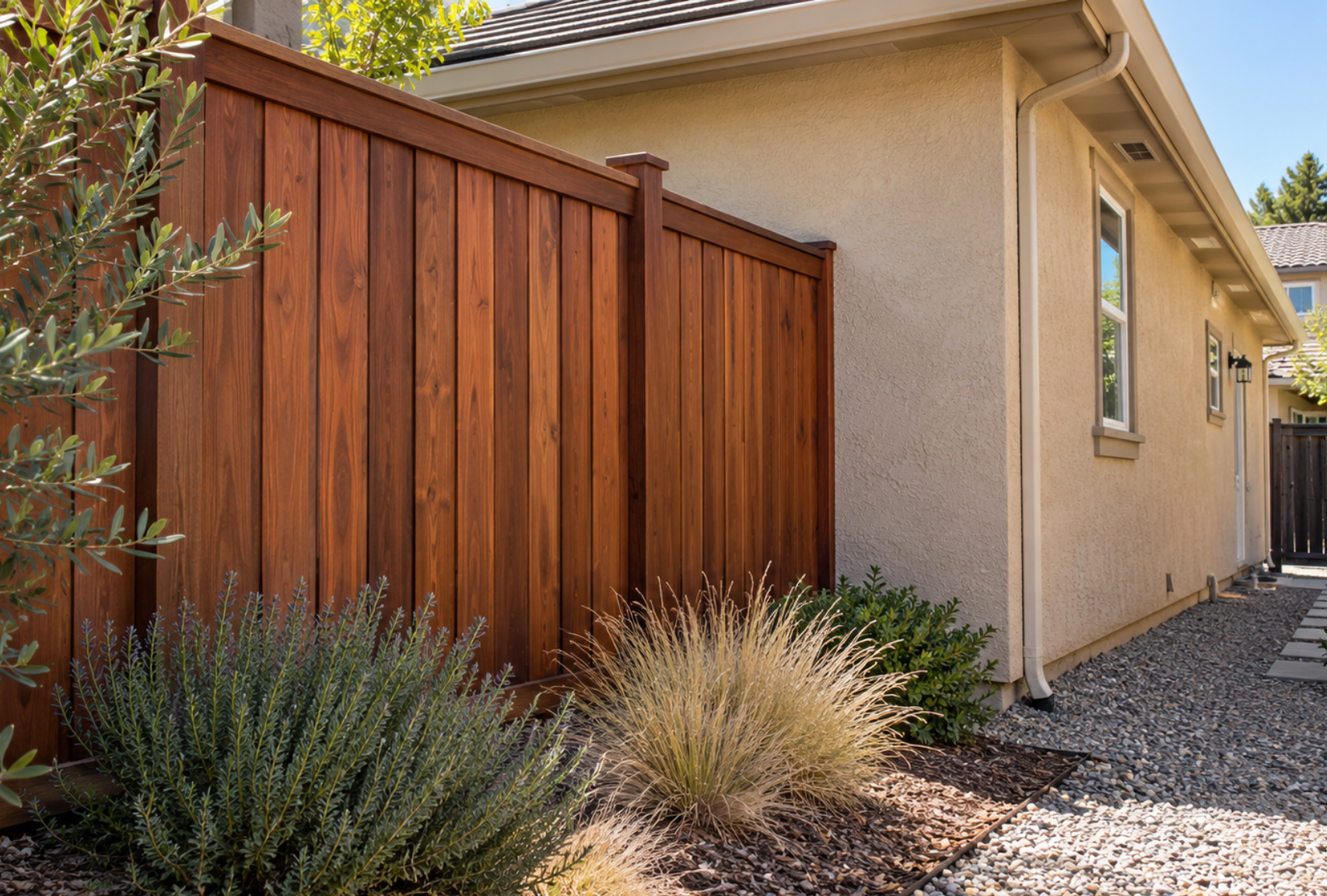
The bigger concern is usually the portion of combustible fencing closest to the home. California’s Zone 0 framework focuses on the first five feet surrounding a structure because this is where burning vegetation, debris, fencing, gates, and other combustible materials can provide a direct path for fire to reach the building.

Source: https://www.fire.ca.gov/dspace/


For many Sacramento-area homes, that means the solution may be a targeted fence modification rather than a complete replacement.

Why is Wood Fencing a Zone 0 Concern?

Wood fencing can burn continuously once ignited. During a wildfire or nearby structure fire, embers may ignite dry vegetation, leaves, mulch, stored materials, or the fence itself.


If that fence runs directly into the side of the house, it can act like a wick. Flames can travel along the fence until they reach siding, vents, windows, eaves, or other vulnerable parts of the home.


California’s Board of Forestry specifically identifies combustible fencing and gates attached to homes as a Zone 0 concern. CAL FIRE currently recommends replacing combustible fencing, gates, and arbors attached to a home with noncombustible alternatives.


The Board’s Zone 0 FAQ also specifically recommends prioritizing the five feet of wood fencing or gate that touches the home because changing that section can break the potential fire pathway.

Do You Have to Replace the Entire Fence?

For many properties, replacing an entire wood fence may not be necessary simply because one portion enters Zone 0.


Imagine a backyard with 150 feet of existing redwood fencing. Most of that fence may be well outside the first five feet surrounding the home, while only a short section or gate connects the fence line to the structure.


In that situation, replacing all 150 feet with metal would dramatically increase the project scope without necessarily addressing additional Zone 0 exposure. A more practical solution may be to modify the section nearest the structure.


The Board of Forestry’s own homeowner guidance supports this approach by recommending that homeowners with wood fencing prioritize upgrading the five feet of fence or gate touching the house with a noncombustible alternative.

zone 0 materials

A Wood-to-Metal Transition May Be Enough

zone 0 gate materials

A common Zone 0 fencing solution may look like this:


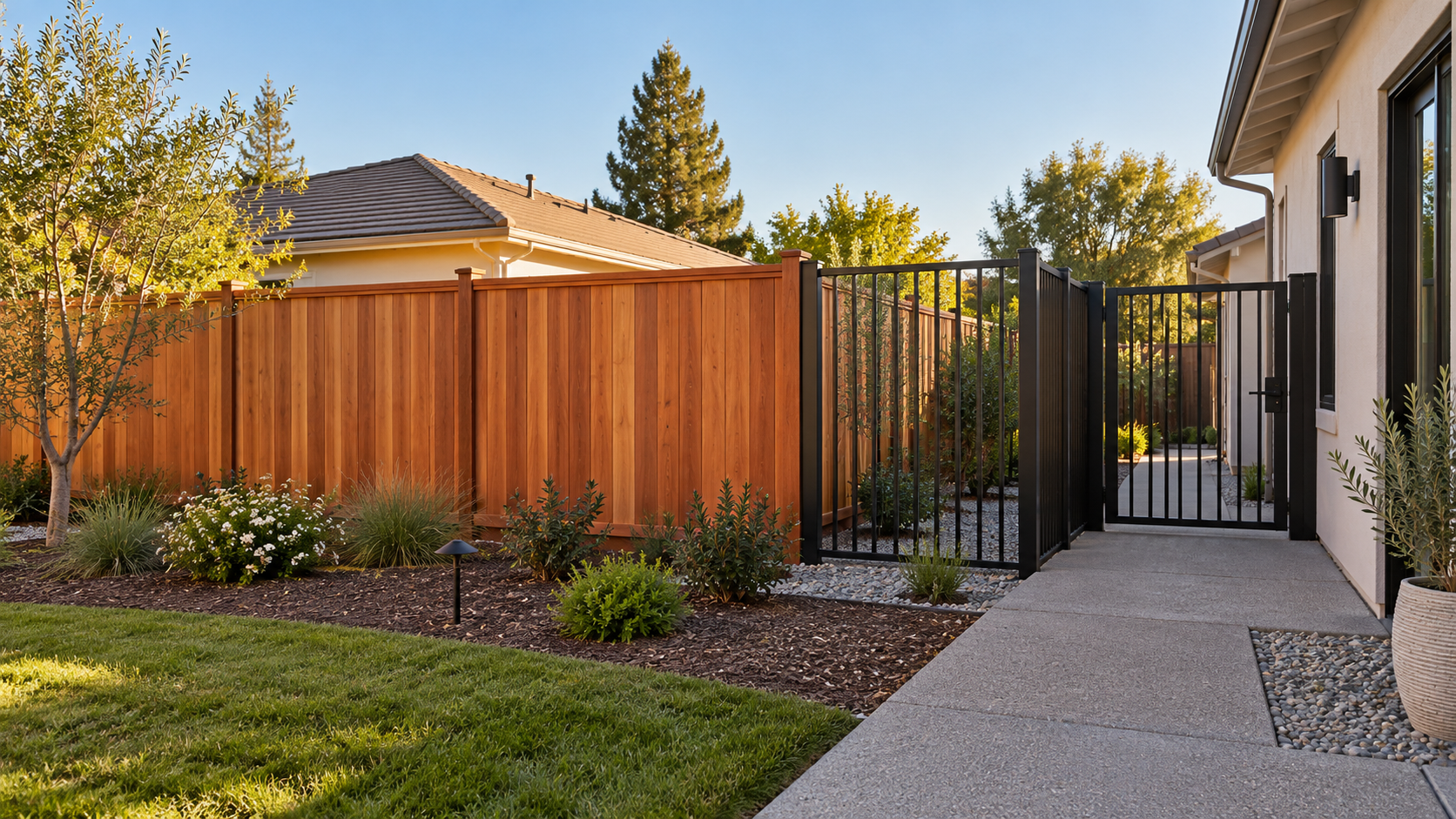
Existing wood fence → noncombustible metal transition → metal gate or panel → house


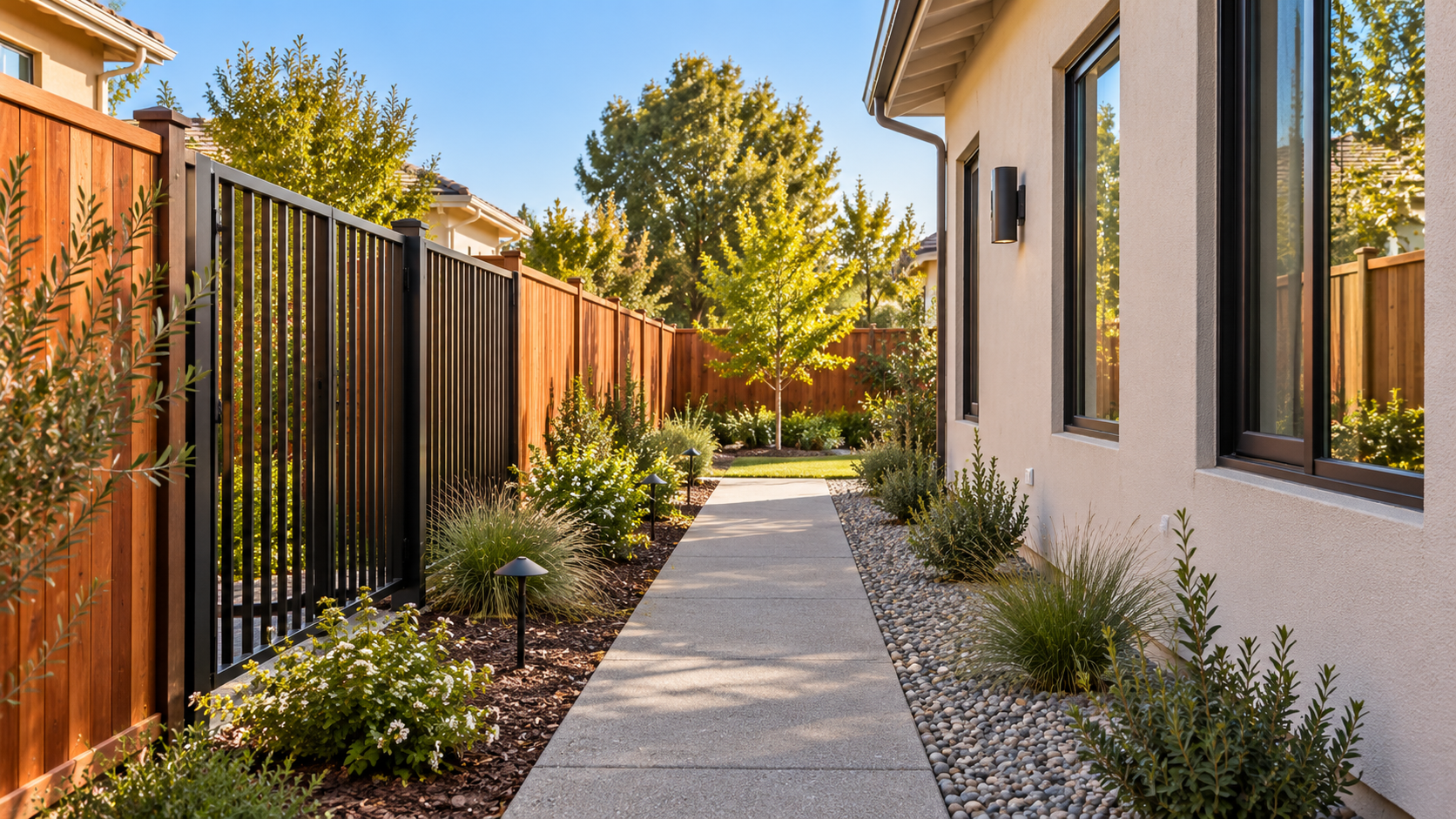
This keeps wood fencing where it provides privacy and appearance while creating a noncombustible break near the home. The transition does not have to look temporary or industrial. Powder-coated metal, ornamental steel, modern privacy panels, and newer wood-look metal systems can make the transition appear intentional and integrated with the rest of the property. The goal isn't necessarily to eliminate wood fencing. The goal is to prevent a combustible fence from creating an uninterrupted path directly to the structure.

What If My Wood Gate Touches the House?

The gate is often the most important part of the system. Many Sacramento homes have a wood fence along the property line with a wood pedestrian gate connecting the fence to the house. That gate may be only three or four feet wide, but it creates the final combustible connection to the structure. Replacing a wood gate with a properly designed metal gate can remove that connection while leaving most of the existing fence untouched.

California’s current Zone 0 materials specifically address both fences and gates, and CAL FIRE recommends replacing combustible gates attached to homes with noncombustible alternatives.

What If My Fence Runs Parallel to the House?

zone 0 gate materials

This configuration requires a closer look.


Some homes have wood fencing that runs parallel to the house inside the five-foot Zone 0 area for several feet before turning toward the property line. In that situation, more than just the gate or final fence panel may fall within the regulated area.


The appropriate solution may involve replacing the section that remains within Zone 0 with a noncombustible material. The exact project scope depends on the distance between the fence and structure, the layout of the property, and the final requirements that apply to the property. California’s Zone 0 regulations are still completing final administrative review, so homeowners should verify the final regulations and applicable local requirements before making a compliance-driven investment.

Does Zone 0 Mean Wood Fencing Is Going Away?

No. Wood fencing will remain a major residential fencing material in Sacramento and throughout California.

Redwood and other wood fencing materials provide privacy, appearance, flexibility, and value that many homeowners prefer. Zone 0 primarily changes how combustible fencing should interact with the immediate area surrounding a structure.


That means homeowners may increasingly combine materials instead of choosing one material for the entire property. Wood fencing can remain throughout most of the yard while metal fencing or gates are incorporated near the house. This type of hybrid design may become increasingly common as California homeowners balance wildfire resilience with privacy, appearance, and budget.

Is Metal Always the Answer?

Metal is one of the most straightforward options because steel, iron, and aluminum fencing systems can provide a noncombustible break. However, the exact product still matters.


A metal fence covered with combustible privacy materials may undermine the transition's purpose. Vinyl slats, bamboo coverings, wood attachments, or combustible decorative panels can introduce fuel back into an otherwise metal fence. Homeowners should evaluate the entire fencing assembly, not simply the primary frame material.

How do I inspect my own property for Zone 0?

Start by walking around the first five feet surrounding your home and looking at where your fencing system enters that space. Pay particular attention to wood fence panels touching the house, wood pedestrian gates, wood fencing running alongside exterior walls, gates positioned beneath eaves, leaves and debris collecting against fence lines, combustible privacy screening, and fencing located near vents or windows. This basic inspection can help determine whether the issue involves one gate, several fence panels, or a larger portion of the fence.

Need help understanding Zone 0 requirements?

If your wood fence runs directly into your home, that does not automatically mean the entire fence needs to be replaced. In many cases, a targeted metal transition, replacement gate, or short noncombustible section may provide a more practical solution.


Summit Fence can evaluate how your existing fence interacts with the first five feet around your home and discuss options that preserve as much of your current fencing as practical. The goal is to improve wildfire resilience without replacing more fencing than the property actually requires.

Additional and Helpful Articles about Zone 0

Share this article

Recent Posts

zone 0 fence materials,California fire resistant fencing,noncombustible fencing California
By Lukas Wilmore • October 5, 2026
Learn which fence materials you can use in California’s Zone 0, including metal, gates, wood fencing transitions, and the first 5 feet around your home.

Sacramento fires,Zone 0 fencing Sacramento,Defensible space Sacramento
By Lukas Wilmore • August 12, 2026
Track major Sacramento-area fires and learn what they reveal about Zone 0, defensible space, fencing, vegetation and wildfire risks near homes.
Sacramento fence permit,fence height rules Sacramento,Sacramento fence installation requirements
By Lukas Wilmore • June 29, 2026
Learn when a fence permit is required in Sacramento, including height limits, zoning rules, corner lots, retaining walls, pools, and gates.
zone 0 insurance california, wildfire insurance california, zone 0 compliance sacramento
By Lukas Wilmore • May 27, 2026
Learn how California Zone 0 laws may affect wildfire insurance, home inspections, policy renewals, discounts, and property compliance.
zone 0 landscaping mistakes sacramento, defensible space landscaping california, zone 0 compliance l
By Lukas Wilmore • March 20, 2026
Top Zone 0 landscaping mistakes in Sacramento and how to fix them to stay compliant and reduce fire risk.
zone 0 retrofitting sacramento,zone 0 fencing cost california,wildfire retrofit mistakes
By Lukas Wilmore • March 20, 2026
Avoid costly Zone 0 retrofit mistakes in Sacramento. Learn pricing, risks, and how to stay compliant.
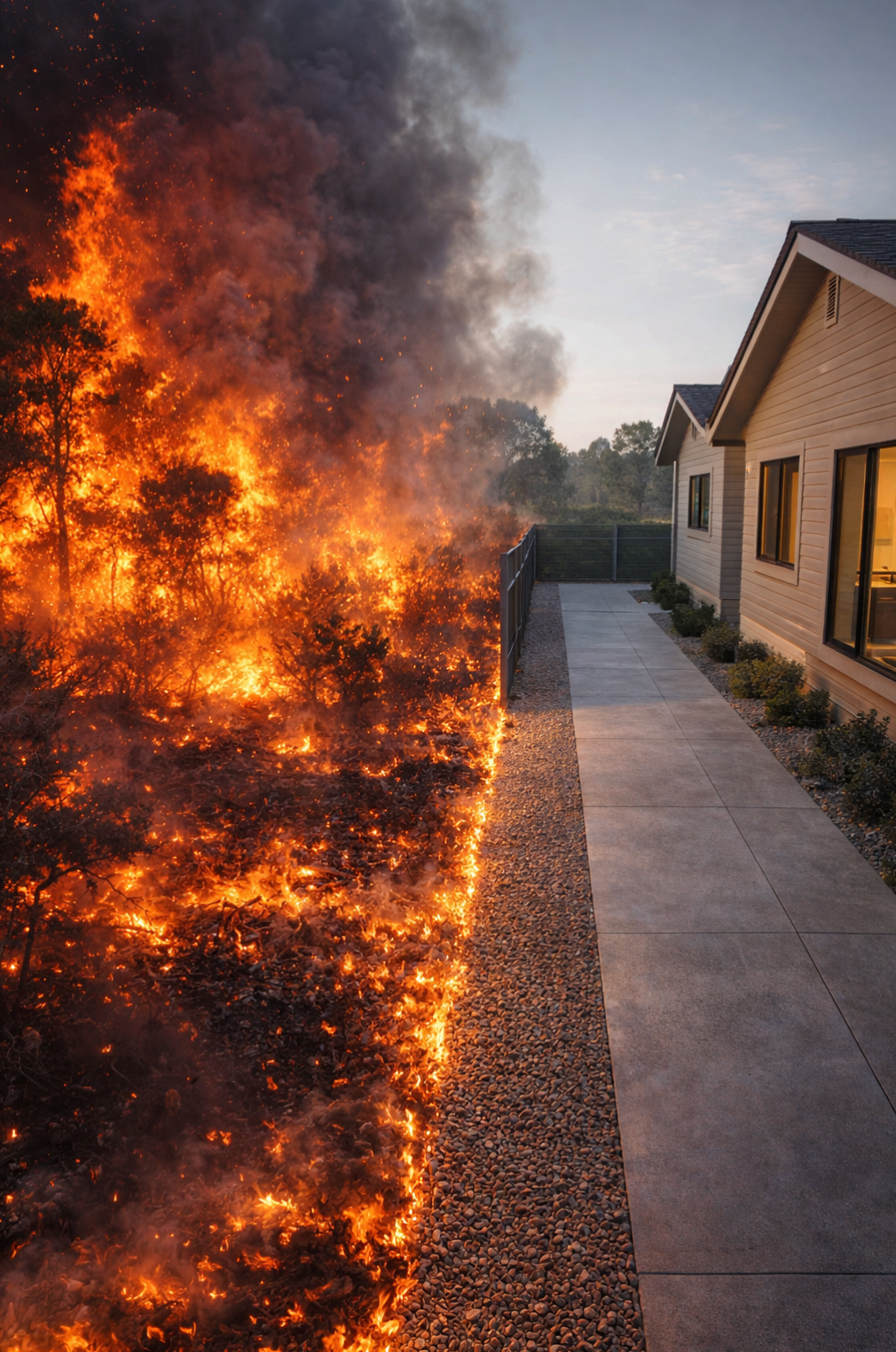
zone 0 fencing sacramento,california zone 0 law,fire resistant fencing sacramento
By Lukas Wilmore • March 20, 2026
Zone 0 fencing rules in Sacramento. Learn costs, compliance, and how to avoid overpaying or failing inspection.
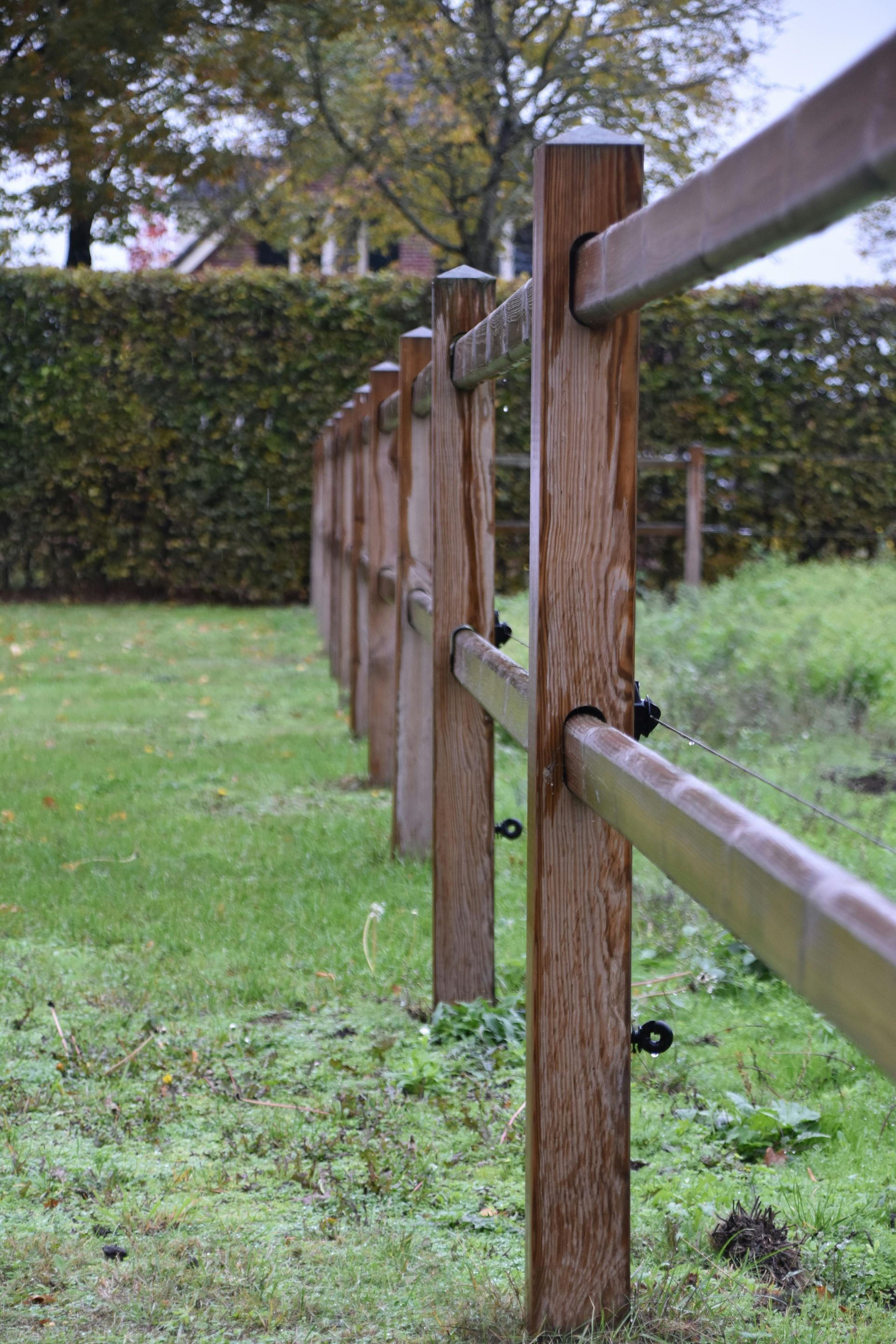
wood fence post spacing,how far apart should fence posts be, fence post spacing for privacy fence
By Lukas Wilmore • February 27, 2026
Learn how far apart wood fence posts should be based on soil, wood type, wind, and cost. Expert spacing guide for long-lasting fences.
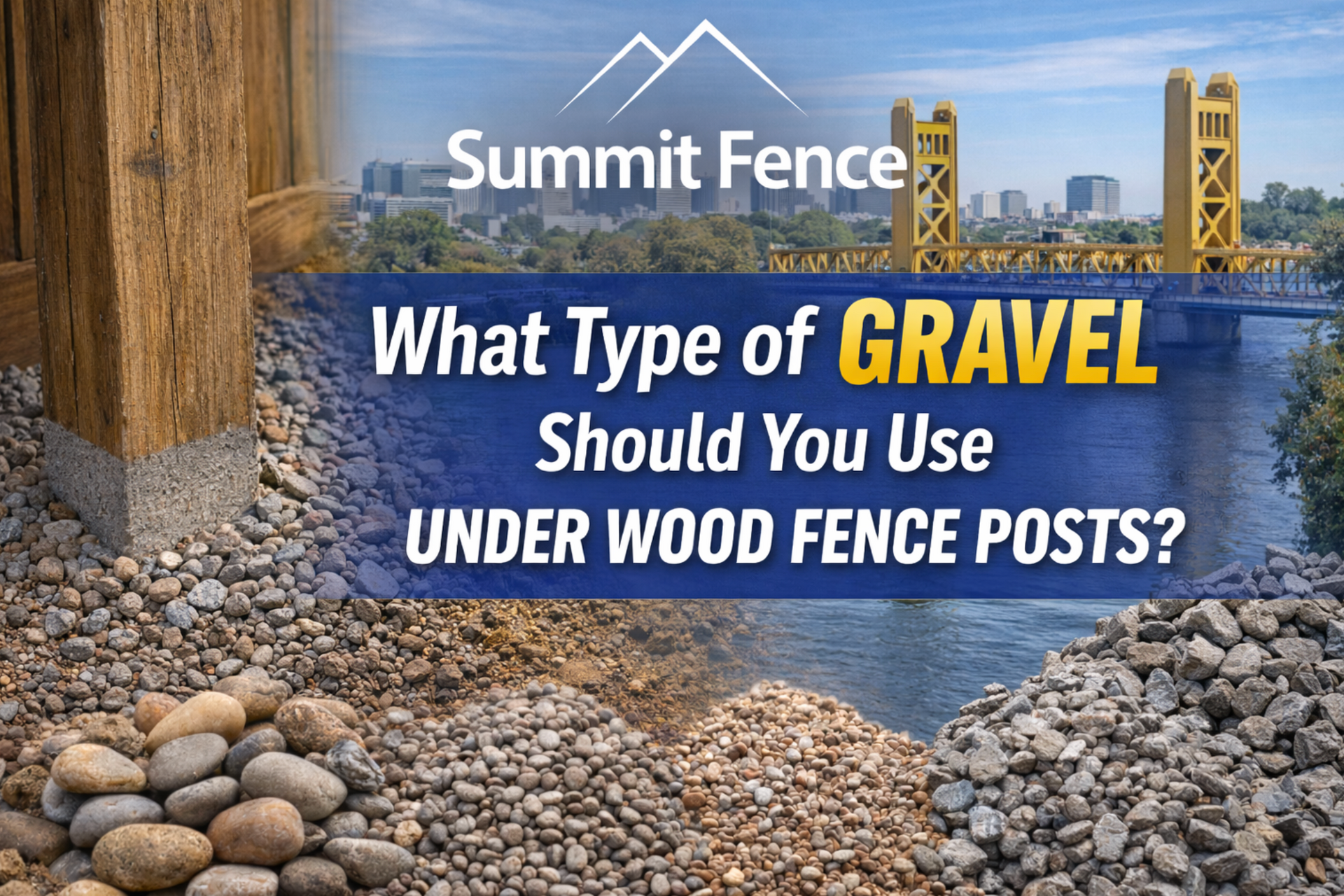
best gravel for fence posts, gravel under wood fence posts, fence post gravel drainage
By Lukas Wilmore • February 8, 2026
Learn which gravel works best under wood fence posts, how much to use, and what to avoid for long-lasting fence stability and drainage.
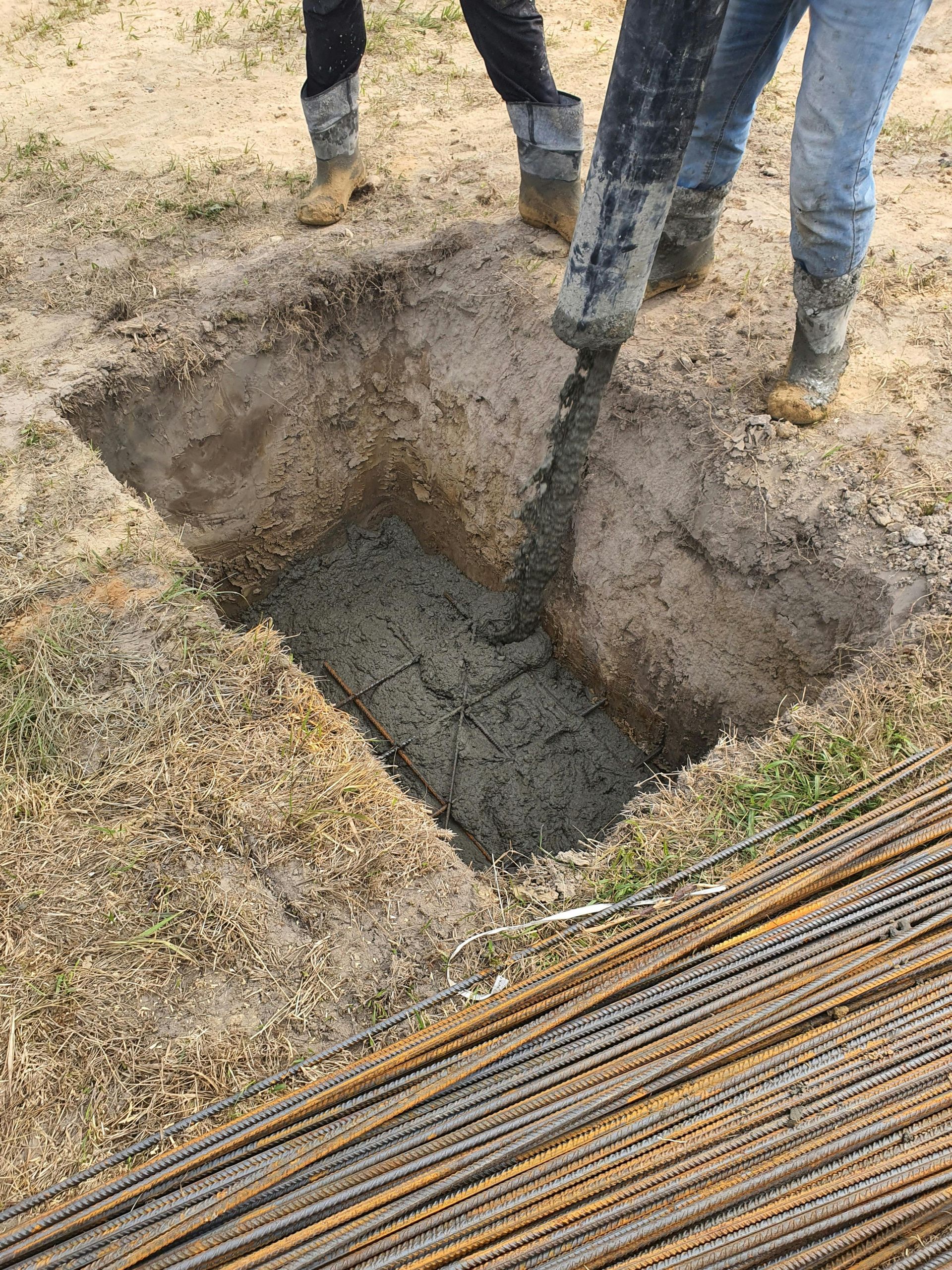
concrete fence posts Sacramento,gravel vs concrete fence posts,wood fence installation guide
By Lukas Wilmore • February 4, 2026
Unsure if wood fence posts need concrete? Our Sacramento-area guide explains when to use concrete versus gravel or foam based on soil type and fence height.
Show More