

The Hidden ROI for New Fencing in the Greater Sacramento Area
January 1, 2026
Summary: The suburban design and outdoor-focused lifestyle of Sacramento elevate the value of fencing compared to denser urban areas. Many neighborhoods were designed with family living in mind, where fenced yards are considered essential rather than optional. In regions like Elk Grove, Folsom, and Roseville, buyers frequently seek homes based on their need for privacy, pet safety, and functional outdoor space—making fencing a crucial factor in resale value. When considering high-return home improvements, kitchens and bathrooms typically come to mind first for homeowners. However, savvy homeowners and real estate experts recognize that the return on investment often begins at the property line. A professionally installed fence serves not only as a boundary but also as a valuable upgrade that enhances property value, boosts marketability, and improves daily living. In numerous markets, fencing reliably yields a significant return while addressing privacy, safety, and usability issues that buyers prioritize.
How Much ROI Does a Fence Add to a Home?
In Sacramento-area neighborhoods, fencing often delivers above-average ROI because buyers expect defined outdoor space. In family-oriented suburbs, unfenced properties may feel incomplete compared to their fenced neighbors. As a result, fencing frequently contributes not only to resale price but also to shorter time on market and stronger buyer confidence. On average, homeowners recoup 50% to 70% of the cost of a new fence when selling their home. The exact return depends on material choice, neighborhood expectations, and installation quality, but fencing remains one of the most cost-effective exterior upgrades available. Unlike cosmetic renovations, fencing impacts both perceived value and functional value, which is why buyers respond strongly to it during showings.
Why ROI varies by neighbhood
Homes in neighborhoods where most properties are fenced tend to see higher valuation impact. An unfenced home in a fenced neighborhood can appear under-improved to buyers and appraisers.
In planned communities and newer developments, fencing is often considered standard. Homes without fencing may be perceived as under-improved when compared to neighboring properties.
New Fence vs. Aging Fence
Sacramento’s hot summers and dry conditions influence how fencing materials age over time. Buyers are increasingly aware of maintenance requirements and long-term durability, which affects material preference and perceived value. Replacing an old or damaged fence often produces a stronger ROI than adding fencing to an unfenced lot, because buyers perceive deterioration as deferred maintenance.
How Installation Quality Affects Value
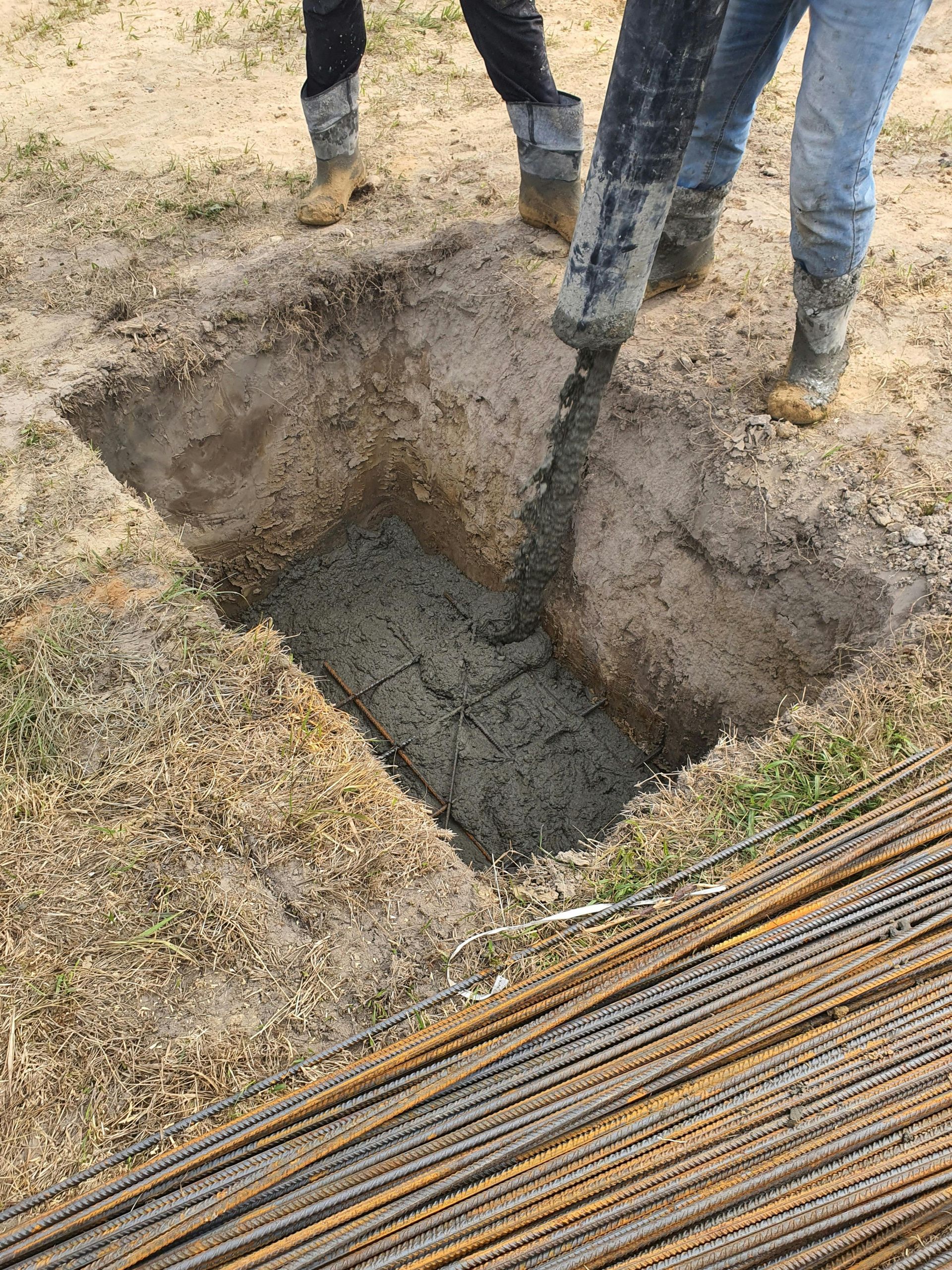
Proper post depth, straight lines, consistent spacing, and clean finishes all influence buyer confidence. Poor workmanship can reduce perceived value even if the fence is new.
Greater Sacramento Area Curb Appeal Matters
Curb appeal plays a measurable role in home value, often influencing buyer decisions before they even walk inside. A well-designed fence visually frames the property, signals upkeep, and creates a sense of completeness that makes a home feel established and cared for. A fence also delivers a psychological advantage. Buyers instinctively associate fencing with privacy, security, and a defined personal space, which increases emotional attachment during the first impression phase.
A Fence Expands Usable Outdoor Living Space
In Sacramento, fenced yards are closely tied to lifestyle value. Families with children or pets often consider fencing a non-negotiable feature, especially in neighborhoods near parks, schools, and walking paths. A fenced yard immediately communicates safety, usability, and peace of mind—qualities that strongly influence purchase decisions. An unfenced yard is often perceived as open but undefined. Once fenced, that same space becomes usable living area in the mind of a buyer. Families with children or pets frequently consider fencing a non-negotiable requirement. A fenced yard allows buyers to immediately envision how they will use the space, which often leads to shorter days on market and stronger offers compared to similar unfenced homes.
ROI by Fence Material: What Buyers Prefer
Not all fencing materials yield the same return on investment. Buyers are increasingly prioritizing durability and low maintenance, which directly affects resale value.
- Wood Privacy Fences offer a traditional aesthetic at a reasonable initial cost, but they necessitate ongoing upkeep. The estimated ROI: 50%–60%.
- Vinyl (PVC) Fencing, while more expensive upfront, requires minimal maintenance, making it highly appealing to buyers. The estimated ROI: 65%–75%
- Aluminum and Ornamental Iron Fencing deliver a premium look with low maintenance and exceptional longevity. The estimated ROI: 60%–70%
- Chain Link Fencing is functional but has the least impact on resale value due to its appearance. The estimated ROI: 25%–30%
In general, buyers tend to pay a premium for fencing that demands little to no maintenance after installation.
Dealing with Fence Appraisers
Home appraisers rely heavily on comparable properties in the immediate area. If most nearby homes are fenced and one is not, that property may be considered under-improved, negatively affecting valuation. Conversely, upgrading from outdated fencing—such as replacing chain link with ornamental aluminum—can raise the perceived quality of the entire property and establish a higher value benchmark within the neighborhood.
Last Notes on Privacy
In growing suburban areas like Sacramento and Folsom, privacy is a premium feature rather than a luxury. Six-foot privacy fencing can significantly improve perceived value by reducing visual noise from neighboring properties and streets. Secure fencing with lockable gates also appeals to buyers concerned about safety, pets, and children, and may even contribute to lower homeowner insurance costs over time.
Final Thoughts on ROI from Fencing Projects
A professionally installed fence enhances privacy, usability, safety, and buyer confidence. In competitive markets like Sacramento, fencing often separates homes that sell quickly from those that sit. While ROI varies by material and neighborhood, fencing consistently delivers value both financially and emotionally.